
Step by step
What not to do
- Don't rely on memory or scattered sticky notes, use one central notebook or binder.
- Don't pretend to understand medical jargon or feel too intimidated to ask the doctor to explain something.
- Don't bury yourself in your notebook and tune out your loved one, balance note-taking with holding their hand or asking for their input.
- Don't assume the doctor's office will share everything with other providers, your notes are the most reliable way to keep every clinician aligned.
- Don't go to complex appointments alone if you can help it, bring a second set of ears to catch details and share the emotional load.
Key points
- Detailed notes prevent forgetting critical information during stressful medical appointments.
- Use a single notebook or binder to keep all notes organized, not scattered pieces of paper.
- Write down your questions before the appointment and the doctor's answers during it.
- Don't be afraid to ask the doctor to repeat or explain something you don't understand.
- Involve your loved one respectfully by asking permission to take notes and including them in the conversation.
- Review and organize your notes after each appointment to track changes and plan next steps.
Videos
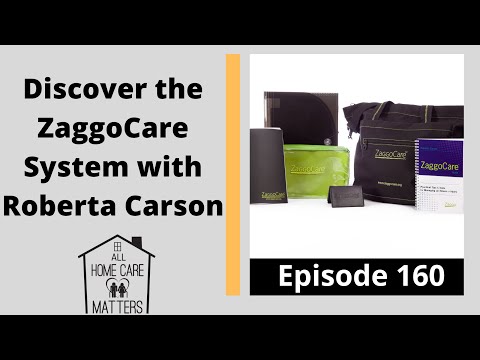 Discover How the ZaggoCare System Helps Patients and Family CaregiversThis video shows a practical system for organizing medical information, which directly supports the note-taking strategies discussed in this article.
 How a Mother's Caregiving Journey Inspired Her to Help OthersHear a real caregiver's story about the importance of staying organized and taking notes, which reinforces the emotional and practical benefits.
 How to prepare for the next Dementia appointmentThis video provides step-by-step guidance on preparing for a dementia appointment, including how to create a question list and take effective notes.
 5 things your doctor should ask aboutLearn the key topics doctors should cover during appointments, which helps you know what to listen for and write down.
2 more videos
 What Do We Know About Memory?Understanding memory helps you appreciate why note-taking is essential, this video explains how memory works and why it fails under stress.
 How To Convince Someone With Dementia To Go To The DoctorThis video offers strategies for getting a loved one to the appointment, which is a crucial first step before you can take notes.
Background
The Overwhelming Nature of Medical Appointments
Medical appointments, especially for dementia or Alzheimer's care, are often high-pressure situations. You're managing the stress of the visit, the emotional weight of the diagnosis, and the physical demands of caregiving. In these moments, it's incredibly easy to miss or forget key information. As one caregiver described, 'the pressure, the stress, the emotional and physical drain undoubtedly something's going to be missed or forgotten.' This is why having a system for note-taking is not just helpful, it's essential. Without it, you risk leaving the appointment with unanswered questions or incomplete understanding of the next steps.
Why Notes Matter Beyond Memory
Detailed notes serve as a reliable record that you can refer back to long after the appointment is over. They help you track changes in symptoms, medication adjustments, and recommendations from different specialists. This is especially important because healthcare providers often don't communicate perfectly with each other. As one expert noted, 'things have changed in terms of electronic health records but things haven't really changed in terms of how much doctors are communicating with each other.' Your notes become the bridge that connects all the pieces of your loved one's care. They also empower you to ask informed follow-up questions and advocate more effectively.
The Emotional and Practical Benefits
Taking notes reduces anxiety and gives you a sense of control. When you have everything organized in one place, a notebook, a binder, or a digital app, you eliminate the worry of forgetting something important. One caregiver shared that having a dedicated bag with all documents and notes meant 'you at least don't have that extra level of stress or worry: did I forget something? did I misplace something?' This organization also helps you prepare for future appointments by reviewing past notes, spotting patterns, and ensuring continuity of care. For the patient, it can also be a way to involve them respectfully, asking permission to take notes and showing that their voice matters.
Practical tools
4
Medical Notebook or Binder
A dedicated spiral notebook, hardcover journal, or three-ring binder used only for medical information. On the first page, record the loved one's full name, date of birth, key diagnoses, and emergency contacts. Create sections for Doctor Visits, Medications, Test Results, and Questions, and bring it to every appointment.
The 'Grab-and-Go' Bag
A specific tote, backpack, or purse that always contains the medical notebook, a folder for documents, a small business card case for provider contacts, pens, a phone charger, and a few snacks. Keep it packed and by the door so you can head to any appointment, urgent care visit, or ER without scrambling.
Digital Note-Taking App
Apps like Evernote, OneNote, or Google Keep let you create a dedicated notebook for your loved one and tag entries by date or topic (e.g., 'medication change,' 'sleep issue,' 'specialist visit'). Many support photos of paperwork and audio notes taken with permission. Use cloud sync or periodic printing as backup.
Symptom & Behavior Tracker
A simple one-page log, paper or digital, where you jot down brief daily or weekly notes about changes in cognition, mood, sleep, appetite, medication reactions, or behavior. This helps spot patterns over time and gives the doctor concrete information instead of vague impressions.
Different situations
Early-stage dementia / Alzheimer's
In the early stage, the patient can still participate in note-taking. Encourage them to bring their own notebook or use a shared one. This helps them feel in control and involved. Start the habit now, as one expert advised: 'if you're watching and your loved one is in the mild stage or early stage, these are the things you can set up now.' You can also use the appointment to ask about memory improvement strategies, not just diagnosis.
Late-stage dementia
In late stages, the patient may not be able to participate. Focus your notes on observations of their behavior, pain levels, and responses to care. Bring a list of specific concerns, like changes in eating or sleep patterns. The doctor may rely more on your notes than on the patient's input. Also, consider bringing a trusted family member to help take notes so you can focus on the patient.
Lewy body dementia or Parkinson's dementia
These conditions often involve fluctuating symptoms, hallucinations, and movement issues. Your notes should track daily patterns: when hallucinations occur, what triggers them, and how they affect behavior. Note any changes in medication timing or dosage, as these can significantly impact symptoms. Bring a log of these observations to each appointment to help the doctor adjust treatment.
Spouse vs. adult child caregiver
Spouses may feel more comfortable taking notes but might also be more emotionally overwhelmed. Adult children may need to balance caregiving with their own family and work. If you're an adult child, consider sharing notes with siblings via a shared digital app. Spouses might prefer a physical notebook they can keep by their bedside. Both roles benefit from having a 'grab-and-go' bag ready for emergencies.
In a facility (nursing home or assisted living)
When your loved one is in a facility, you may not be present for all appointments. Ask the facility's care team to share notes from doctor visits. You can also request that they call you during the appointment so you can listen and take your own notes. Keep a binder at home with copies of all medical records and notes from facility staff. This ensures you stay informed and can advocate effectively.
For the doctor
5
- Ask your doctor: 'What is the best way to share my notes with other specialists on the care team? Should I bring copies to each appointment?'
- Discuss with your clinician: 'Are there any specific symptoms or changes I should be tracking in my notes that would help you adjust treatment?'
- If you're considering using a digital app to record appointments, ask the doctor: 'Is it okay if I record our conversation for my notes? I want to make sure I don't miss anything.'
- For medication changes, confirm with the pharmacist or doctor: 'What side effects should I watch for and note down between appointments?'
- If you have concerns about confidentiality, ask: 'How do you handle sharing my notes with other family members or caregivers? Is there a consent form I need to sign?'