Step by step
What not to do
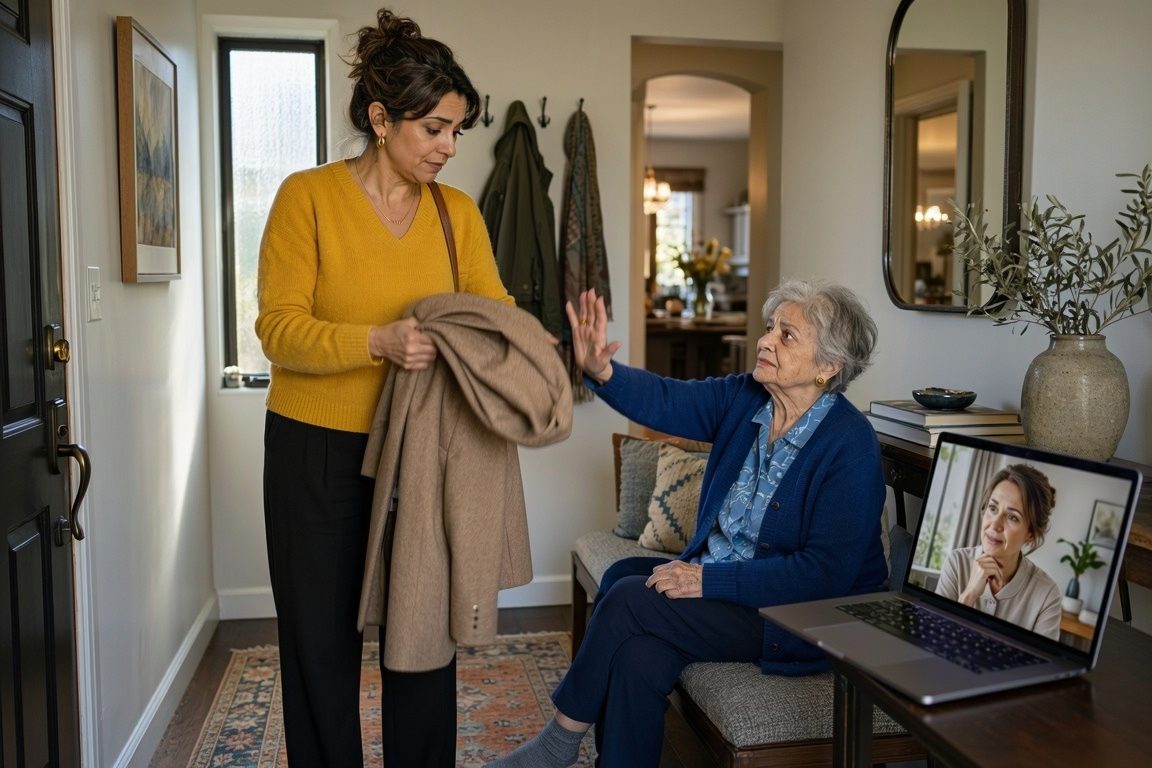
- Don't take behavior personally or respond with anger; it is a symptom of brain damage, not intentional difficulty.
- Don't argue, correct, or use logic to reorient them, their brain cannot process rational arguments. Use redirection or therapeutic fibbing (e.g., 'Let's see what's for lunch').
- Don't rely on medications as first-line treatment; they should be a last resort after multiple non-drug strategies fail.
- Don't expose them to overstimulating environments without preparation: choose quiet times, limit noise, keep visits short, and watch for early distress signs.
- Don't neglect your own mental health; if overwhelmed, seek therapy, respite, or support groups, you cannot give good care from an empty well.
Key points
- Doctors receive little to no training in non-drug behavior management; you must seek training elsewhere.
- Behaviors are responses to unmet needs, identify the trigger, not just the behavior.
- Free and low-cost resources exist: online workshops, support groups, and books from dementia educators.
- When choosing a facility, ask detailed questions about staff dementia training.
- Non-drug strategies should always be tried first, before medications.
- Your own mental health is a critical part of behavior management, seek support for yourself.
Videos
 Dementia Careblazer Interview: How the 5 senses can impact behaviorThis video explains how sensory overload (noise, bright lights, strong smells) can trigger behaviors, and gives practical tips for calming the environment.
 What To Ask When Looking For A Memory Care Facility?This video teaches you exactly what questions to ask about staff training, so you can avoid facilities that don’t prioritize non-drug behavior management.
 Suffering From Alzheimer's and DementiaThis video addresses the emotional toll on caregivers and offers validation and strategies for managing stress, which is essential for effective behavior management.
 Medical GaslightingThis video helps you recognize when doctors dismiss your concerns about behaviors, and gives you language to advocate for non-drug approaches.
2 more videos
 Ep. 183: See the Person FirstThis video reinforces the mindset shift of seeing the person behind the dementia, which is the foundation of all effective behavior management.
 5 Surprising Reasons Your Loved One With Dementia Resists HelpThis video reveals common hidden causes of resistance (like pain, fear, or sensory issues) and gives you specific strategies to address them.
Background
The Training Gap: Why Doctors Can’t Help With Behaviors
When you go to a neurologist or primary care doctor and describe your loved one’s agitation, nighttime wandering, or refusal to bathe, you’re often met with a blank stare or a prescription pad. That’s because medical school and residency programs rarely include any training on non-pharmacologic behavior management for dementia. As one expert notes, doctors don’t have an actual outline or strategic plan to give you for these symptoms, they simply weren’t taught one. This gap leaves families frustrated and exhausted, believing that nothing can be done except medication.
The Real Frontline: Who Actually Needs Training
In a memory care facility, the people with the most contact with your loved one are not the director or the nurse, they are the aides, housekeeping, dietary staff, and activities directors. Yet these staff often receive minimal dementia training, sometimes just the bare minimum required by the state. As one advocate points out, we have more requirements for people who care for our pets or do our nails than for those providing intimate care to people with dementia. This lack of training leads to neglect and abuse, not from malice but from ignorance. The same is true for family caregivers: you are expected to provide round-the-clock care for a person with brain damage without any skills or training. It’s not your fault, you don’t know what you don’t know.
The Biopsychosocial Model: A Better Way to Understand Behaviors
Current dementia care is often a one-size-fits-all approach that emphasizes medications and little else. But experts advocate for a biopsychosocial model that looks at the whole person: their biology (pain, hunger, illness), their psychology (fear, frustration, loss of control), and their social environment (noise, overcrowding, unfamiliar routines). Behaviors are not random; they are responses to unmet needs. When you understand that a person with dementia who is exit-seeking may be bored, thirsty, or needing the bathroom, you can address the root cause instead of trying to stop the behavior. This shift in perspective is the foundation of every effective non-drug strategy.
Practical tools
1
Trigger Log
A notebook or phone note for 1–2 weeks recording time, behavior, antecedent, what you did, and what helped. Patterns emerge and the log is useful for doctors, coaches, or facility staff.
Different situations
Lewy body dementia (LBD)
In LBD, behaviors like hallucinations and severe fluctuations in alertness are common. Non-drug strategies should include reducing visual clutter and using low lighting to minimize hallucinations. Avoid any medications that might worsen LBD symptoms (like certain antipsychotics). Always discuss with a neurologist who specializes in LBD. The trigger log is especially important here to identify patterns related to time of day or medication timing.
Late-stage dementia
In late stages, the person may be bedbound and nonverbal. Behaviors like moaning, grimacing, or hitting out are often signs of pain, hunger, or thirst. Use the PAINAD scale (a simple observational pain tool) to assess discomfort. Focus on comfort care: gentle touch, soft music, and frequent repositioning. Non-drug strategies are still effective, but the goal shifts from managing behaviors to ensuring comfort.
Spouse vs. adult child caregiver
Spouse caregivers often have a longer history and may feel more personal loss. They may need extra support for grief and identity changes. Adult children may struggle with role reversal and guilt. Both benefit from support groups, but spouse caregivers might also seek couples counseling or respite care to maintain their own relationship. Adult children may need help setting boundaries with siblings or managing work-caregiving balance.
In a memory care facility
If your loved one is in a facility, you still have a role. Attend care plan meetings and ask about staff training. Request that the same aides care for your loved one to build familiarity. Bring in familiar objects (photos, a favorite blanket) to reduce agitation. If behaviors escalate, ask for a non-drug behavior plan before medications are added. You are your loved one’s advocate.
Medicaid or low-income situations
Many free resources exist: the Alzheimer’s Association helpline (24/7), free online workshops, public library books, and free support groups. Some states offer Medicaid-funded respite care or adult day programs. Ask your local Area Agency on Aging for a list of low-cost or free services. You don’t need to pay for expensive coaching to get good strategies, start with free webinars and support groups.
For the doctor
3
- If non-drug strategies have been tried for several weeks with no improvement and the person is in significant distress (e.g., severe agitation, aggression, or depression), ask the doctor: ‘What non-pharmacologic options have we not tried? Can we try a behavioral health consult or a dementia specialist before adding medication?’
- If the doctor suggests a medication for behavior, ask: ‘What is the specific target symptom? What are the side effects, especially for this type of dementia? What is the lowest possible dose? How will we monitor for side effects? Can we combine this with non-drug approaches?’
- If your loved one has a sudden change in behavior (e.g., new aggression, confusion, or hallucinations), seek immediate medical evaluation to rule out infection (like a UTI), pain, or medication side effects. Do not assume it’s just the dementia.