Step by step
What not to do
- Do NOT argue, correct, or try to reason with them ('You ARE home!'); instead validate and redirect.
- Do NOT raise your voice or make sudden movements; use slow, rhythmic, quiet tone.
- Do NOT leave them alone in a dark or shadowy room; keep space well-lit with warm light and stay nearby.
- Do NOT force them to sit still if pacing; walk with them calmly or redirect path in safe loop.
- Do NOT assume medication is the only answer; try environmental and behavioral changes first, and discuss medications with a doctor as last resort.
Key points
- Sundowning is caused by brain fatigue and sensory overload, not by the person being difficult. Approach it with compassion, not frustration.
- The phrase 'I want to go home' is an emotional cry for safety and comfort, not a literal request. Validate the feeling, do not argue.
- Environmental changes (warm lighting, calm music, removing triggers) are the most effective first-line strategies.
- Your own calm demeanor is your most powerful tool. Take a deep breath before you respond.
- Keep a journal to identify patterns and prevent future episodes. You are a detective, not a fixer.
- Medication is a last resort, not a first step. Always discuss risks and benefits with a doctor.
Videos
 Caregiver Strategies How to Deal with Dementia Care Challenges Sundowning, Anxiety, and RestlessnessPamela D. Wilson gives a clear, compassionate overview of why sundowning happens and offers practical tips for redirecting the 'I want to go home' behavior.
 What Is Sundowning And How Does It Affect Dementia? - Dementia Help HubThis video explains the biological and environmental causes of sundowning in an easy-to-understand way, which helps caregivers feel less frustrated.
 How to Deal With Dementia Behaviors | Caregiving Expert Dementia Caregiver Tips and StrategiesPamela D. Wilson shares specific strategies for managing anxiety and agitation, including the importance of routine and validation.
 Dementia and Sundowning: Tips to Help You Manage SundowningThis video from Dementia Careblazers offers practical tips like using soothing music, aromatherapy, and keeping a journal to track triggers.
2 more videos
 What Stage of Dementia is Sundowning? - Answers About Alzheimer'sThis video clarifies that sundowning can occur at any stage and provides a list of symptoms to watch for, helping you identify it early.
 Why Do Dementia Patients Get Agitated During Sundowning? - Dementia Help HubThis video dives into the specific triggers like disrupted circadian rhythm and sensory overload, giving you the 'why' behind the behavior.
Background
What is happening in their brain?
Sundowning isn't a disease itself, but a symptom that emerges as dementia progresses. Think of the person's brain as a muscle that has been working overtime since they woke up. In the morning, after rest, their brain can manage fairly well. But as the day wears on, the mental effort of processing sights, sounds, and conversations becomes overwhelming. By late afternoon, the brain is exhausted and can no longer filter out confusion or anxiety. This is when you see the agitation, pacing, and the desperate plea, 'I want to go home.' The person is not being difficult; their brain is having a meltdown from sensory overload and fatigue.
Why does 'going home' come up so often?
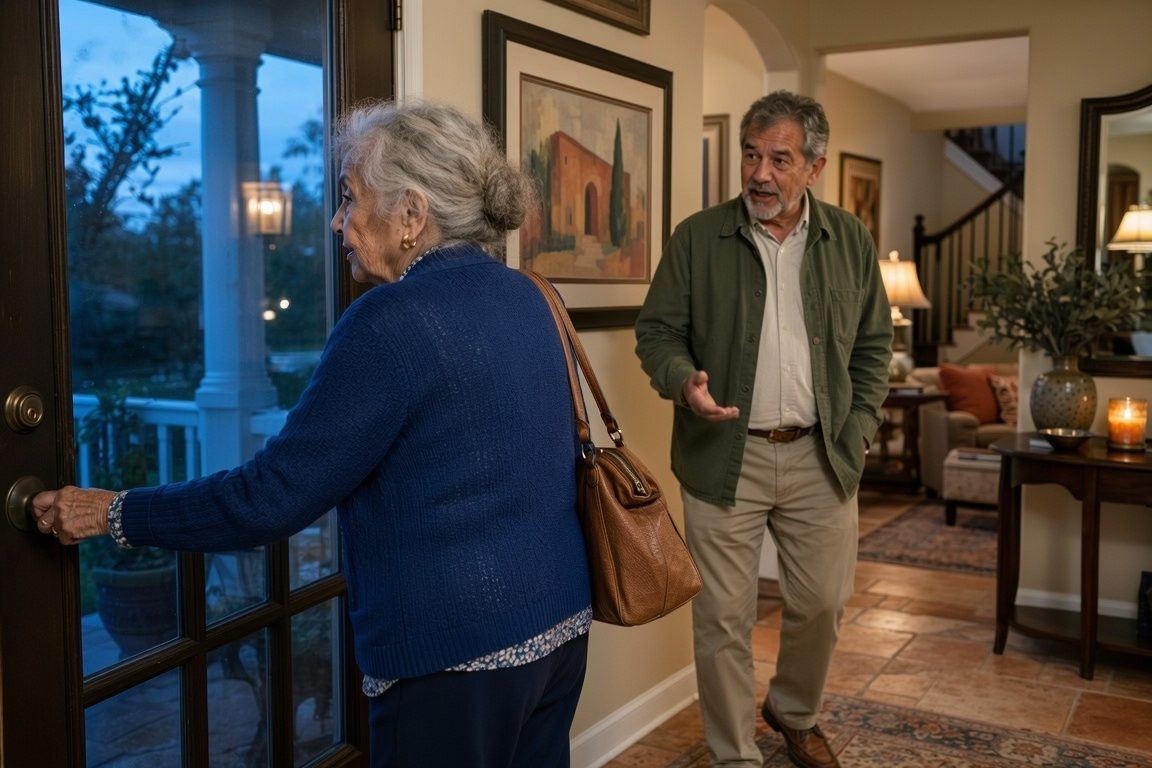
When a person with dementia says they want to go home, they are usually not talking about a physical house. They are expressing a deep, emotional need for safety, comfort, and a time when they felt in control. Their brain is mixing up old memories with the present moment. They may feel lost, scared, or like they don't belong where they are. The word 'home' is a shorthand for 'I want to feel safe and calm again.' Arguing with them or telling them they are already home will only increase their confusion and distress because their brain cannot process that logic. Instead, you need to meet the emotional need behind the words.
What triggers the agitation?
Several factors pile up to create a sundowning episode. The most common is fatigue from the day's activities. Another is physical discomfort that surfaces later in the day, like arthritis pain, hunger, or needing to use the bathroom. Dehydration is a huge, often overlooked trigger. Also, the change in light as the sun sets creates confusing shadows and disorientation. Finally, sensory overload from a busy day, loud TV, or even a stressful conversation can push an already tired brain over the edge. The key is to think of yourself as a detective: track what happens in the hours before the agitation starts, and you will often find a pattern.
Practical tools
4
Dark Rug in Front of Door
Place dark-colored rug or black mat directly in front of exit door; to impaired vision it can look like a hole or drop-off, creating natural barrier.
Soothing Music Playlist
Create playlist of familiar slow-tempo songs from their young adulthood (e.g., 1940s-1960s big band, classical); play softly starting early evening.
Simple Door or Window Chime Alarm
Battery-powered chime that sounds when exterior door or window is opened to alert caregiver.
Fidget Blanket or Apron
Lap blanket or apron with buttons, zippers, ribbons, soft textures sewn on; gives restless hands something calming to do during late afternoon.
Different situations
Lewy body dementia (LBD)
In LBD, sundowning can be more intense and may include visual hallucinations or severe fluctuations in alertness. Be extra careful with lighting: harsh shadows can trigger hallucinations. Avoid any medications that affect dopamine (like some antipsychotics) unless specifically prescribed by a neurologist familiar with LBD. The 'wind-down' routine is critical, but you may need to do it earlier in the afternoon.
Late-stage dementia
In late stages, the person may be less mobile but still experience severe agitation. Focus on physical comfort: check for pain, hunger, or the need to be repositioned. Use gentle touch, like holding their hand or a slow back rub. The 'going home' plea may be replaced by moaning or crying. Respond with a soft, rhythmic voice and soothing music. Safety is paramount: ensure the bed is low and the environment is padded if they are at risk of falling.
Spouse vs. adult child caregiver
As a spouse, you may feel personally rejected when they say they want to go home. Remember, it is not about you. It is about their brain's confusion. As an adult child, you may feel guilty that you cannot provide the 'home' they remember. Let go of that guilt. Your role is to provide safety and comfort in the present moment, not to recreate the past. Both roles benefit from taking breaks and using respite care to avoid burnout.
In a facility (nursing home or assisted living)
In a facility, the 'going home' plea is very common. Staff should use the same validation and redirection techniques. The environment matters greatly: ensure the hallway is well-lit with warm light in the evening, and that there are familiar objects (photos, a favorite blanket) in the room. If the person is trying to leave the facility, use visual barriers (like a curtain over the exit door) and redirect them to a staff member who can engage them in a one-on-one activity. Families can advocate for a consistent evening routine.
Medicaid or limited resources
You do not need expensive tools. Use what you have: a dark towel on the floor as a visual barrier, a homemade fidget blanket from old clothes, a free calming music app on your phone, and a photo album from the dollar store. The most important tools are your calm presence and a consistent routine. Look into free adult day programs or volunteer respite services in your area to give yourself a break.
Common questions
6
What unconventional strategies can I try for sundowning?
Try gentle sensory shifts like offering a cozy blanket with a familiar scent, playing soft big-band music from their youth, or guiding them to look at a simple photo album, these can reroute agitation without words.
What can I do when the person with dementia wants to go home or does not recognize me or their surroundings?
When they say 'I want to go home,' say something warm like 'You're safe here with me,' then distract by handing them a soft cloth to fold or inviting them to help you 'check on the tea', never argue or correct.
How did caregivers first observe sundowning?
Early on, caregivers often notice their loved one growing restless, fidgeting, or staring out windows as dusk falls, mistaking it for normal tiredness before realizing it happens at the same time each day.
How do I identify patterns in my loved one's sundowning?
For one week, jot down the time, what happened before (like a nap or a visitor), their mood, and what helped, look for triggers like skipped meals, late sunlight, or end-of-day noise to act on tomorrow.
Why does my loved one repeat questions or pace during sundowning?
The repeated questions and pacing are their brain's way of seeking comfort when it's too exhausted to process the fading light, offer a repetitive, calming task like sorting socks or wiping the counter to meet that need without words.
How can I manage sundowning and late-day confusion in my loved one?
Keep the evening predictable: close curtains before sunset, turn on soft warm lamps, serve a small snack like toast and tea at the same time, and speak in a low, slow voice, your calm rhythm will anchor them.
For the doctor
5
- Ask your doctor: 'Could my loved one's sundowning be worsened by a urinary tract infection (UTI) or other infection? UTIs often cause sudden increased confusion in people with dementia.'
- Ask your doctor: 'Is there a pain management plan for their arthritis or other chronic pain? Pain that is not treated can be a major trigger for sundowning.'
- Ask your doctor: 'Are any of their current medications (including over-the-counter) known to cause confusion or agitation as a side effect? Can we review the full list?'
- Ask your doctor: 'If environmental strategies are not enough, what are the risks and benefits of a low-dose medication specifically for sundowning? I want to understand the side effects like increased fall risk or drowsiness.'
- Ask your doctor: 'Should we check for dehydration or electrolyte imbalances? These can contribute to confusion and agitation.'