
Step by step
What not to do
- Do not suppress feelings or blame yourself for having them, this drains energy; you are not responsible for past trauma.
- Do not assume past failures predict future results, dementia care requires constant adaptation; what failed before may work now.
- Do not isolate yourself thinking no one will understand, even a short conversation can ground you.
- Do not let fear of being wrong or losing control stop you from trying new solutions.
- Do not wait for your loved one to become the person you wished they were, the disease has taken that possibility, and hoping for it only deepens grief.
Key points
- Your past trauma is real, but it does not have to control your present. You can learn to separate old wounds from current dementia behaviors.
- Acknowledge your negative emotions without judging yourself, that extra layer of guilt only adds to your suffering.
- You have the power to choose how you respond to your caregiving situation, even if you cannot control the diagnosis or your loved one's behavior.
- Small, concrete changes, like asking for help or trying a new response, can break the cycle of feeling stuck.
- You are not alone. Many caregivers struggle with this, and support groups, therapy, and simple tools can help you move forward.
- Your past does not define your future as a caregiver. You can learn new skills and create new patterns, just as you have learned other things in life.
Videos
 Caregivers, THIS Is PowerfulThis video directly addresses how past trauma keeps caregivers stuck and offers a powerful reframe to break free from old patterns.
 Caregiving: How to Deal With Strained Caregiver Relationships Between Siblings and Elderly ParentsIf your past trauma involves family dynamics, this video provides practical strategies for navigating strained relationships while caregiving.
 Worse Than Being Dead | Dementia Caregiver Experiences in Dealing with Progressively Worse BehaviorsHearing other caregivers share their struggles with difficult behaviors can help you feel less alone and give you new ideas for coping.
 Your dementia questions answered: Careblazer Q and AThis Q&A session answers common caregiver questions, including how to handle feelings of being stuck and overwhelmed by the past.
2 more videos
 Top 3 Reasons Dementia Tips Don't WorkUnderstanding why some strategies fail can help you adjust your approach and avoid the trap of thinking 'nothing ever works.'
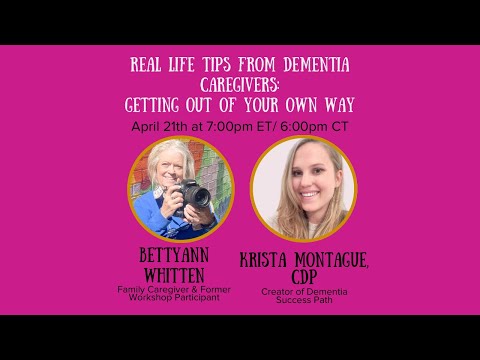 Dementia Caregiver Interview: Tips For Getting Out Of Your Own WayThis interview offers firsthand tips from a caregiver who learned to let go of old patterns and find new ways to connect with their loved one.
Background
Why Your Past Feels So Heavy Right Now
Caregiving for someone with dementia often stirs up old pain. You might notice that every difficult moment, a harsh word from your loved one, a feeling of being unappreciated, or a sense of failure, immediately pulls you back to a time when you felt hurt, abandoned, or not good enough. This is not a sign of weakness; it is a normal human response. Your brain is trying to make sense of the present by searching for familiar patterns, and if your past was painful, it will use that as a reference. As one care expert explains, when something negative happens, many people immediately go to their past to explain why they are having that reaction. That habit can keep you stuck, feeling like you have no chance to feel better or improve your situation.
The Hidden Beliefs That Keep You Stuck
Often, the beliefs that hold you back were formed long before dementia entered your life. They might be family cultural habits passed down for generations, like 'you must always put others first' or 'asking for help is selfish', that no longer serve you. Or they could be codependent patterns between you and your parent or spouse that have been there for years. When you are in the middle of caregiving, these old beliefs can turn into lifelong behavior patterns that keep you from making changes that would actually help everyone. As one expert notes, people often do not solve problems or make plans because of the emotional distress of the situation. You may feel guilty, emotionally torn, and unable to think rationally about what needs to be done, even when making a change would be better for both you and the person you care for.
The Difference Between the Past and the Present
A key insight is that your loved one's behavior today is not a repeat of your past. The person with dementia is not the same person who hurt you years ago, their brain is damaged, and their actions are driven by confusion, fear, and unmet needs, not by intent to wound you. When you look at your recent past with your loved one, you might see a pattern of accusations, refusals to bathe, or constant battles. But that does not mean it will always be that way. As one care expert puts it, just because something has never worked before does not mean it will never work. You have learned to read, walk, and drive a car, things you once could not do. The same is true in dementia caregiving. You can learn new ways to respond, and your past does not have to define your future.
Practical tools
5
Past vs. Present Pause
When triggered, take three slow breaths and ask: 'Is this about my past or about dementia?' If past, say 'That was then. This is now.' If dementia, say 'This is the disease.' Place a sticky note, 'I decide how I respond' , where you see it daily.
Limiting Belief Detective
Write one heavy belief (e.g., 'I am only worthwhile if useful'). Answer:
Inherited messages can be released.
One Small Change Checklist
List three small changes for the week (e.g., ask neighbor for groceries, set 10-min break, say no to a task). Choose one and do it; notice how it feels. Builds confidence to act when stuck.
Emotional First Aid Kit
Prepare a box with:
When overwhelmed, use one item for two minutes.
Weekly Stakeholder Check-In
Once weekly for 20 minutes with a trusted friend, group, or therapist. Share:
Ask for reflection to see blind spots and remember healing is gradual.
Different situations
If you are an adult child caring for a parent with a history of difficult relationship
Focus on the phrase: 'Just because they weren't good to me growing up doesn't mean I can't be a great caregiver now.' You may need to set stronger emotional boundaries. Consider writing a letter to your past self that you do not send, to release old pain. Also, be aware that family members may abandon you to do all the caregiving, this can trigger old feelings of being left out. Reach out to a therapist or support group to process these feelings.
If you are a spouse caring for a partner with Lewy body dementia or frontotemporal dementia
These types often involve more personality changes and accusations, which can feel like a personal attack. Remind yourself that the brain damage is causing these behaviors, not your partner's true self. You may need to practice the 'Past vs. Present' pause more frequently. Also, consider joining a disease-specific support group (like the Lewy Body Dementia Association) where others understand the unique challenges.
If you are in the late stages of dementia and your loved one is mostly non-verbal or bedbound
Your past trauma may surface as grief over the loss of the person they were. Focus on small rituals that honor your relationship, like playing their favorite music or holding their hand while you talk about happy memories. You can also use the 'Help Me' script in a modified way, ask them to squeeze your hand or look at a photo with you. Your role now is to provide comfort, not to fix anything.
If you are caring for someone in a facility or with paid help
Your past trauma might make you feel guilty about not doing everything yourself. Remind yourself that accepting help is not abandonment, it is a way to sustain your own health so you can continue to be present. Use the 'One Small Change' checklist to delegate one task each week. Also, schedule regular visits that are short and positive, so you leave feeling connected rather than drained.
If you are a caregiver from a cultural or minority background where stigma around mental health or asking for help is strong
Recognize that your feelings of depression or being stuck are normal given your changed role, you did not expect to become the parent to your parent. It is okay to seek help, even if it feels unfamiliar. Look for support groups that are culturally specific or online, where you can remain anonymous. You can also talk to a trusted spiritual leader or elder who may understand your context.
For the doctor
4
- If you find that your past trauma is causing flashbacks, nightmares, or intense anxiety that interferes with daily functioning, ask your doctor about trauma-informed therapy or counseling.
- If you are experiencing symptoms of depression (persistent sadness, loss of interest, changes in sleep or appetite) that last more than two weeks, discuss this with your healthcare provider. You may benefit from medication or talk therapy.
- If you feel overwhelmed to the point of having thoughts of harming yourself or your loved one, seek immediate help from a crisis hotline or emergency services.
- If you are using alcohol or other substances to cope with your emotions, talk to your doctor about healthier coping strategies and support options.