Step by step
What not to do
- Do not suppress emotions by staying constantly busy or 'keeping it together'; avoidance makes grief last longer.
- Do not feel guilty for moments of relief or joy; grief and joy coexist, and relief is not betrayal.
- Do not ignore new physical symptoms like appetite changes, sleep disruption, or body aches; mention them to your doctor.
- Do not isolate yourself even if others have stepped back; isolation worsens prolonged grief.
Key points
- Prolonged grief disorder is not a sign of weakness or a lack of faith, it is a recognized condition that can be treated.
- The key difference from normal grief is that the pain does not ease after six months and stops you from functioning in daily life.
- Risk factors include sudden or violent death, a close or dependent relationship, history of depression, social isolation, older age, and female sex.
- For dementia caregivers, pre-death grief is real and can increase risk; pay attention to secondary losses like loss of role and friendships.
- Concrete steps include tracking your grief, reaching out for support, joining a grief group, and seeing a therapist trained in prolonged grief therapy.
- You do not have to walk this path alone, help is available and effective.
Videos
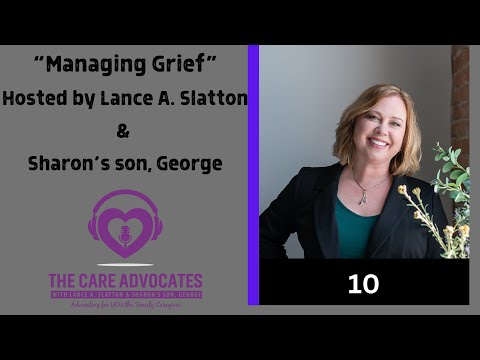 The Care Advocates with Lance A. Slatton & Sharon's Son, George 'Managing Grief'This video offers a personal and professional perspective on managing grief as a caregiver, including the importance of a multifaceted approach that includes therapy, body work, and community.
 Ambiguous Loss in a Time of Pandemic on Alzheimer’s Speaks RadioThis video explores the concept of ambiguous loss, which is especially relevant for dementia caregivers who experience grief long before death. It helps normalize the confusing feelings of grieving someone who is still physically present.
 The Long Goodbye - Anticipatory Grieving when your Loved One has DementiaThis video directly addresses anticipatory grief in dementia caregiving, helping you understand that the grief you feel before death is valid and that you are not alone in experiencing it.
 Parkinson's Disease Caregivers: You're Not AloneThis video is tailored for Parkinson's caregivers, who face unique grief challenges due to the progressive nature of the disease. It offers validation and practical support.
2 more videos
 Grief Through the Stages of DementiaThis video walks through how grief changes as dementia progresses, helping you recognize that your feelings are a normal response to ongoing losses.
 What Is This I'm Feeling? Different Types of Grief for CaregiversThis video breaks down the different types of grief caregivers experience, including anticipatory grief, ambiguous grief, and secondary losses, making it easier to name and understand your emotions.
Background
What Is Prolonged Grief Disorder?
Prolonged grief disorder (PGD) is a condition where the intense, painful emotions of grief do not ease over time but instead persist and become disabling. While normal grief comes in waves, some days you feel okay, other days you are knocked down: PGD keeps you in a state of constant, overwhelming distress. You may feel an unrelenting longing for the person who died, or find yourself preoccupied with thoughts about them or the circumstances of their death. You might feel shocked or disbelieving that they are gone, as if the loss just happened yesterday, even many months later. This can shake your sense of who you are and where you belong in the world, leaving you feeling lost, without purpose, and disconnected from others. The key difference is that these feelings do not get better with time and they stop you from doing the things you need to do at home, at work, or in your relationships.
What Puts Someone at Higher Risk?
Certain factors can make it more likely that grief will become prolonged. Research shows that the risk is higher when the death was sudden, violent, or under unnatural circumstances, such as a car accident, murder, or suicide. Caregivers who had a very close or dependent relationship with the person who died, especially if they were the primary caregiver for a long time, are also more vulnerable. Other risk factors include having a history of depression or other mental health conditions, feeling socially isolated or losing your support system, being older, being female, having a lower income, and experiencing multiple losses close together. For dementia caregivers specifically, the severity of your loved one's symptoms, especially cognitive decline and non-motor symptoms, before death can predict who is most at risk for prolonged grief afterward. It is important to remember that these are risk factors, not a guarantee; knowing them can help you watch for warning signs in yourself.
How Is It Different from Normal Grief or Depression?
Normal grief is not a disorder, it is a healthy, if painful, response to loss. You may feel sad, cry, have trouble sleeping, or lose interest in things for a while, but you still have moments of relief, laughter, and connection. You can eventually accept the loss and find a way to move forward while still loving the person. Prolonged grief disorder, on the other hand, keeps you stuck. The pain does not lessen in intensity after six months or more, and you may feel completely immobilized, unable to get out of bed, go to work, or take care of yourself. It is also different from depression, though they can occur together. In PGD, the central focus is the longing and preoccupation with the person who died, whereas depression involves a more general loss of pleasure and low mood. If you are unsure, a clinician can help you sort out what you are experiencing. One expert put it simply: if you are totally immobilized for longer than a couple of months, or if you still cannot function after about a year, it is time to seek help.
Practical tools
3
Two-Week Grief Log
A daily log tracking whether you ate, showered, left the house, had a moment of relief, how many times you broke down, and distress level 1-10. Review after two weeks; if distress stays 7+ and functioning is low, seek professional help and share the data with your doctor.
Daily Healing Plan
Pick one specific loss you are grieving (e.g., caregiving role, lost friendship) and commit to one small action that day to begin healing from it, such as a five-minute walk, drinking water, or writing one memory of your loved one.
Secondary Losses Inventory
A list of every loss beyond the death:
Reading the full list validates that you are grieving more than you realized and honors each loss.
Different situations
For dementia caregivers (Alzheimer's, Lewy body, frontotemporal, Parkinson's with dementia)
Your grief often starts long before the death, this is called anticipatory grief. You have already lost the person you knew piece by piece. After death, you may feel relief, guilt, or both. Your risk for prolonged grief is higher if your loved one had severe cognitive decline or non-motor symptoms. Pay extra attention to secondary losses: loss of your role, loss of friendships, loss of your own health. Join a support group specifically for dementia caregivers, as they will understand the 'long goodbye'.
For Parkinson's disease caregivers
Research shows that pre-death grief is significant in Parkinson's caregivers. The severity of motor and non-motor symptoms (especially cognitive decline) predicts who is at greatest risk for prolonged grief after death. You may have been grieving the loss of your partner's abilities for years. After death, you might feel a mix of exhaustion and emptiness. Seek out Parkinson's-specific caregiver support groups and talk to a therapist who understands the unique challenges of this disease.
For adult children vs. spouses
Adult children may struggle with guilt about decisions made during caregiving and may feel they 'should have done more.' Spouses may feel a profound loss of identity and daily routine. Both are at risk, but the focus of grief may differ. Adult children might benefit from sibling or family counseling. Spouses may need help rebuilding a life without their partner. In both cases, acknowledge the specific relationship and the unique losses tied to it.
For those with a history of depression or anxiety
You are at higher risk for prolonged grief disorder. Do not wait to see if things get better on their own. Contact a mental health professional as soon as you notice that your grief is not easing after a few months. You may need a combination of grief therapy and medication. Be honest with your clinician about your mental health history so they can tailor treatment.
For those whose loved one died suddenly, violently, or by suicide
This is a major risk factor for prolonged grief. You may also be dealing with trauma. Seek a therapist trained in trauma-focused therapy, such as EMDR or cognitive processing therapy. Join a support group for suicide loss survivors or for those who lost someone to violence. Do not try to handle this alone, the combination of grief and trauma requires professional support.
For the doctor
5
- Ask your doctor: 'Could my grief be prolonged grief disorder, and what screening tools can you use to assess me?'
- Ask your doctor: 'Given my history of depression, should I consider medication to help with my grief symptoms?'
- Ask your doctor: 'Are there any physical symptoms I am having (like changes in appetite, sleep, or new pains) that could be linked to my grief?'
- Ask your doctor: 'Can you refer me to a therapist who specializes in complicated grief therapy or prolonged grief disorder?'
- If you have thoughts of harming yourself or feel hopeless, tell your doctor or call 988 immediately. Do not wait.