Step by step
What not to do
- Do not say 'Don't you remember? I already told you.' This is hurtful because they genuinely do not remember, and being reminded of their memory loss adds shame to their grief.Instead, simply answer the question as if it is the first time.
- Do not try to 'fix' their sadness by saying 'They are in a better place' or 'At least they are not suffering.' These phrases can feel dismissive and may not make sense to someone with dementia.Instead, just sit with them in their pain.
- Do not lie and say the person is still alive if they ask directly. This can cause confusion and erode trust.Instead, use clear, gentle language about the death, and then offer comfort.
- Do not avoid the topic altogether because you are uncomfortable. This deprives your loved one of the right to grieve. As one expert notes, 'many people are just plain uncomfortable talking about death under any circumstance, and they might use the fact that their family member has dementia as an excuse to avoid talking about it at all.' Instead, lean into the conversation with compassion.
- Do not argue or try to prove that the death happened a long time ago. Their brain cannot hold that timeline, and arguing will only increase their distress.Instead, focus on the emotion behind the question, not the factual accuracy.
Key points
- When they suddenly remember a death, respond with the same comfort you would give anyone in grief, not a special dementia technique.
- Use clear, direct language: say 'died' and 'death,' not euphemisms like 'passed away.'
- Do not remind them that they already asked or that the death happened long ago, this adds shame and confusion.
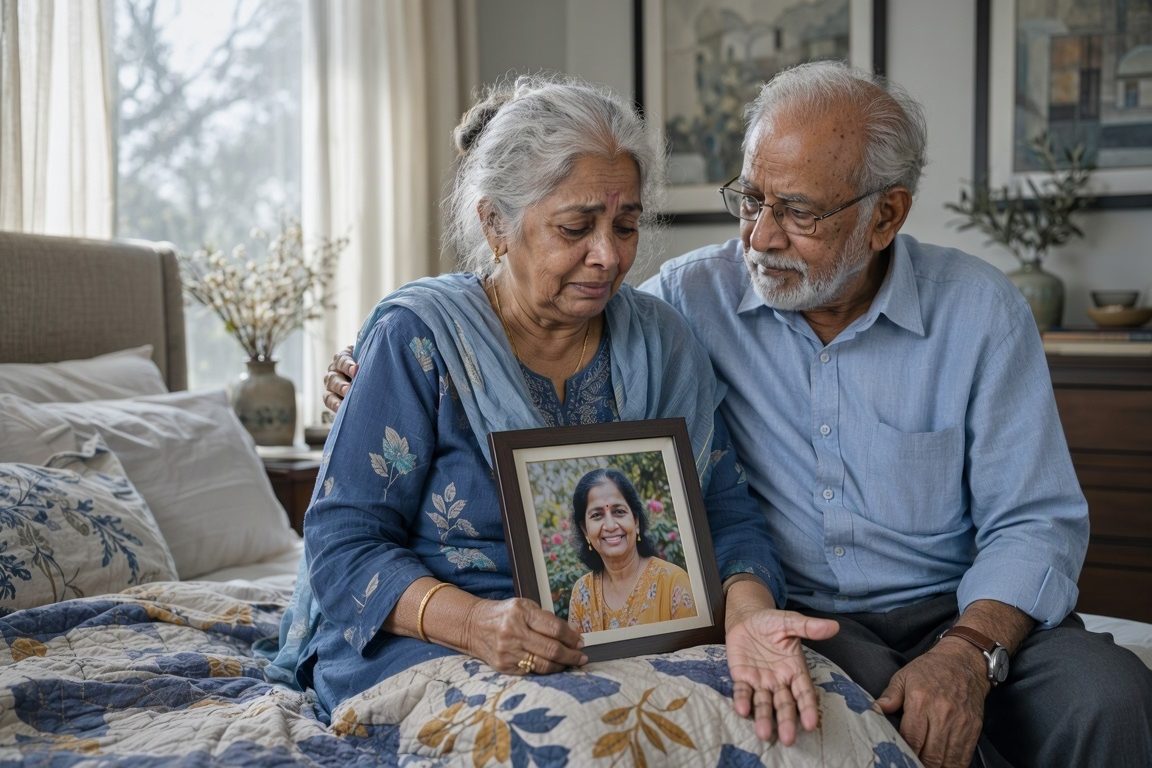
- If they forget and ask again, treat each time as fresh. Use a visual cue like a labeled photo to help them orient.
- Your goal is to be present with their pain, not to fix it or make them remember correctly.
- Involve them in small rituals if they are able, folding programs, lighting a candle , to give grief a constructive outlet.
Videos
 When someone with dementia remembers someone is deadDirectly addresses this exact situation and gives the core advice: respond as you would to any grieving person.
 TELLING A PARENT WITH DEMENTIA ABOUT A DEATHProvides practical guidance on how to break the news of a death to a parent with dementia, including what to say and what to avoid.
 Should I Tell or Remind My Person with Dementia of a Death in the FamilyHelps you decide whether and how often to remind your loved one about a death, based on their stage and reaction.
 Velma Knowles - Leadership and Human Behavior Communication Expert & Host of 'Your Leadership Chat'Offers communication strategies that apply to sensitive topics like death, focusing on empathy and clear messaging.
2 more videos
 What to Do When an Aging Parent Dies: How to Stay Present and Calm in Their Final MomentsWhile focused on the moment of death, it teaches the skill of staying present and calm, which is directly useful when your loved one is in grief.
 An Interview with Hospice Nurse and Author Beth Cavenaugh R.N.Provides insights on grief, dying, and how to support someone emotionally at the end of life, relevant for when the death is recent or the person is actively grieving.
Practical tools
5
The 'Simple Human Response' Script
When they remember the death, say exactly what you would say to a close friend who just got the news: 'I am so sorry. This is so hard. I am here with you.' Then offer a tissue, hold their hand, or sit quietly beside them. No dementia-specific techniques needed, just your heart.
The 'Clear Language' Checklist
Use the words 'died' and 'death' instead of 'passed away,' 'gone to heaven,' or 'at peace.' These euphemisms can make a person with dementia think the deceased might return. Keep your sentences short and direct. For example: 'Your brother died. I am so sorry.' Then stop and let them respond.
The 'Memory Cue' Photo Setup
Place a small framed photo of the deceased in a common area, with a simple label underneath: 'In loving memory of [Name].' This can serve as a gentle, non-verbal reminder that helps the person orient themselves without you having to repeat the painful news. If they ask about the photo, you can say, 'That is a picture of [Name]. We miss them very much.'
The 'Grief Journal' for Caregivers
Keep a small notebook where you jot down what your loved one said during these moments, and how you responded. This can help you notice patterns (e.g., they often remember the death after a nap or in the evening) and also give you a place to process your own grief. Writing it down can prevent you from feeling like you are 'starting over' each time.
The 'Redirect to Ritual' Idea
If your loved one is able and willing, involve them in a small ritual related to the deceased. For example, you could say, 'Would you like to help me fold these programs for the memorial service?' or 'Let's light a candle in their memory.' This can help them feel connected to the person and give their grief a constructive outlet.
Different situations
Early-stage dementia / still aware of the death
In early stages, your loved one may already know the person died and may be grieving in a more typical way. Here, you can have longer conversations about memories and feelings. You can also ask if they want to attend a memorial or visit a grave, with support. Use clear language and avoid euphemisms, but you do not need to repeat the news as often. The focus is on supporting their ongoing grief process.
Middle-stage dementia / frequent forgetting
In middle stages, they may forget the death within minutes or hours. Do not remind them each time they ask. Instead, use the 'Simple Human Response' script each time, as if it is fresh. Consider using a visual cue like a photo with a label. If they become very distressed, redirect to a comforting activity. The goal is to soothe, not to teach.
Late-stage dementia / limited verbal ability
In late stages, they may not be able to express the memory verbally, but they may show signs of distress (crying, agitation, restlessness). Respond with gentle touch, soft music, or a familiar scent. Do not try to explain the death. Instead, focus on comfort: hold their hand, stroke their arm, or play a song they loved. Your calm presence is the most important tool.
Spouse vs. adult child caregiver
If you are the spouse, you are grieving the same person. It is okay to say, 'I miss them too. It is so hard.' You can grieve together. If you are an adult child, you may be grieving a parent, and your loved one may be grieving their spouse or child. Acknowledge their specific relationship: 'I know you miss your husband so much.' Avoid making it about your own grief in the moment unless they invite it.
In a facility setting
If your loved one is in a care facility, let the staff know about this pattern so they can respond consistently. Provide a photo with a label for their room. If a staff member is present when the memory surfaces, they can use the same script. You may also want to ask the facility if they have a grief support group or chaplain who can visit.
For the doctor
3
- If your loved one becomes severely agitated or aggressive when remembering the death, discuss with their doctor whether a medication adjustment or a referral to a dementia behavioral specialist might help.
- If your loved one is in late-stage dementia and shows signs of physical distress (e.g., rapid breathing, crying that does not stop) when remembering a death, ask the hospice or palliative care team for guidance on comfort measures.
- If you are unsure whether to tell your loved one about a recent death (e.g., a spouse or child who has just died), discuss this with a social worker, chaplain, or dementia care specialist. There is no one-size-fits-all answer, and they can help you weigh the risks and benefits based on your loved one's stage and personality.