
Step by step
What not to do
- Do not ignore sadness or anger. Acknowledge feelings ('I feel angry, and that's okay') and express them safely, e.g., journaling or talking to a trusted friend.
- Do not compare your journey to others. Focus on your own progress and small victories.
- Do not wait until crisis to seek help. If stress rises, act immediately: call a support group, talk to your doctor, or arrange respite care.
Key points
- Compassion fatigue is a real risk for dementia caregivers, caused by prolonged exposure to suffering, traumatic memories, and competing life demands.
- Early warning signs include apathy, irritability, anxiety, depression, and physical exhaustion. Catch them early to prevent a crisis.
- Social isolation is a major risk factor. Join a support group and stay connected with friends and family.
- Set realistic daily goals and accept help from others. You do not have to do everything alone.
- Create a personal 'compassion fatigue protection plan' with calming activities and people to call when you need support.
- Prioritize your own physical and mental health. Schedule regular check-ups and take time for yourself every day.
Videos
 Caregiver stress related to dementia (Subtitles in Spanish)This video provides a clear overview of how caregiver stress builds up, especially in dementia care, and offers practical tips for managing it.
 Caregiver Stress and Depression, Dr. Helen Lavretsky - UCLAMDChatDr. Lavretsky, a geriatric psychiatrist, explains the link between caregiver stress and depression, and shares evidence-based strategies for coping.
 Why Do Dementia Caregivers Experience Burnout And Depression? - TestThis video breaks down the unique challenges dementia caregivers face that lead to burnout and depression, reinforcing the risk factors discussed in this article.
 181. How to Avoid Burnout in Dementia Caregiving: 5 Essential Strategies For CaregiversOffers five concrete strategies to prevent burnout, which aligns with the steps in this article for reducing compassion fatigue risk.
2 more videos
 I Made a Promise: Coping with Caregiver Guilt and Finding PeaceAddresses caregiver guilt, a key risk factor for compassion fatigue, and provides ways to find peace and self-compassion.
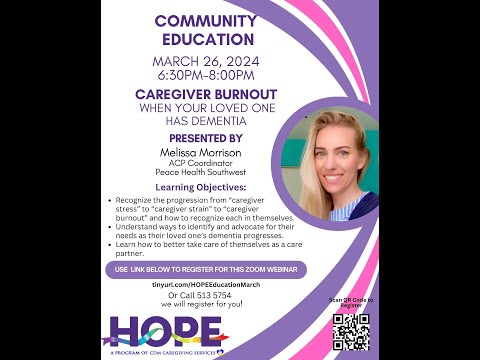 Caregiver Burnout when your Loved One has DementiaFocuses on the experience of burnout in dementia caregiving, helping you recognize the signs and take action before it leads to compassion fatigue.
Practical tools
3
Daily Check-In Script
Three times a day, say: 'Stop. Breathe. How am I feeling?' Rate stress 1-10. If 7+, take a 5-minute break:
'Three Things' Goal Sheet
Each morning, write three things to accomplish that day (can be small). Check them off when done to gain a sense of control and achievement.
Crisis Rescue Card
Keep an index card with:
Use when spiraling.
Different situations
For adult children caring for a parent with dementia
Adult children often face the added pressure of being part of the 'sandwich generation,' caring for both their parent and their own children. This increases competing life demands significantly. The advice to schedule daily personal time is even more critical, but you may need to be creative: combine activities, like taking a walk with your kids, or ask your spouse to take over parenting duties for 30 minutes. Also, adult children may experience more guilt about not being able to 'fix' their parent's condition. In this case, the 'Three Things' goal sheet is especially helpful to set realistic expectations and reduce self-blame.
For spouses caring for a partner with dementia
Spousal caregivers often have the highest risk of social isolation because their primary companion is the person they are caring for. They may also have their own age-related health issues. For spouses, joining a support group is not optional, it is essential. Additionally, spousal caregivers may need to plan for the future when they can no longer provide care due to their own health. The advice to monitor your own physical health is paramount. Schedule regular check-ups and consider talking to a social worker about long-term care planning. Spouses may also benefit from couples counseling to address the changing nature of their relationship.
For caregivers of someone with Lewy body dementia or frontotemporal dementia
These types of dementia often involve more severe behavioral symptoms, such as hallucinations, agitation, or personality changes. This can increase the risk of traumatic memories for the caregiver. If you are caring for someone with these symptoms, the step about seeking therapy for trauma is especially important. You may also need more frequent respite care to give yourself breaks from the high-stress environment. The 'Compassion Fatigue Protection Plan' should include specific strategies for de-escalating difficult behaviors, such as using a calm voice or stepping away for a few minutes.
For caregivers who are also working full-time
Working caregivers face extreme time pressure and may feel torn between job responsibilities and caregiving. The advice to say 'no' to non-essential demands is critical here. You may need to talk to your employer about flexible hours or family leave. The 'Daily Check-In Script' can be done during your commute or lunch break. Also, consider using a paid caregiver or adult day center during work hours to reduce the burden. The 'Help Me' script is especially useful for delegating tasks to other family members or friends.
For caregivers in a facility setting (e.g., assisted living or nursing home)
Even when your loved one is in a facility, you can still experience compassion fatigue. You may feel guilty about not providing care yourself, or you may be dealing with the emotional toll of watching their decline from a distance. The advice to join a support group is still important, as is the practice of setting realistic goals. You may need to advocate for your loved one's care, which can be stressful. The 'Three Things' goal sheet can help you focus on what you can control, like visiting on a specific day or speaking with the staff about concerns. Also, make sure to take time for yourself after visits, as they can be emotionally draining.
For the doctor
5
- If you are experiencing symptoms of depression or anxiety that last more than two weeks, such as persistent sadness, loss of interest in activities, or trouble sleeping, discuss this with your doctor. They can refer you to a therapist or prescribe medication if appropriate.
- If you have a history of trauma and find that caregiving is triggering painful memories or flashbacks, talk to a mental health professional about trauma-focused therapy, such as EMDR or cognitive behavioral therapy.
- If you are feeling so overwhelmed that you are having thoughts of harming yourself or your loved one, seek immediate help by calling 988 (Suicide and Crisis Lifeline) or going to your local emergency room.
- If you are experiencing physical symptoms like chronic fatigue, headaches, or changes in appetite that are affecting your daily life, discuss these with your primary care provider to rule out any underlying medical conditions.
- If you are considering placing your loved one in a facility due to caregiver stress, discuss this with a social worker or geriatric care manager who can help you explore options and make an informed decision.