Step by step
What not to do
- Do not argue or try to reason with your loved one after they have decided to call police. Validate the feeling and give physical space.
- Do not try to take away their phone or physically stop the call. Let them make the call, then you make yours.
- Do not physically restrain them. A police officer walking in on a struggle may read it as assault.
- Do not assume police will recognize this as dementia. Your proactive call, support card, and documentation are what close that gap.
- Do not take the accusation personally or hide the incident from your doctor or family. This is the disease, not the person.
- Do not sacrifice your own safety out of guilt. If you are hit, pushed, or cornered, you have the right to leave or call 911 for help.
Key points
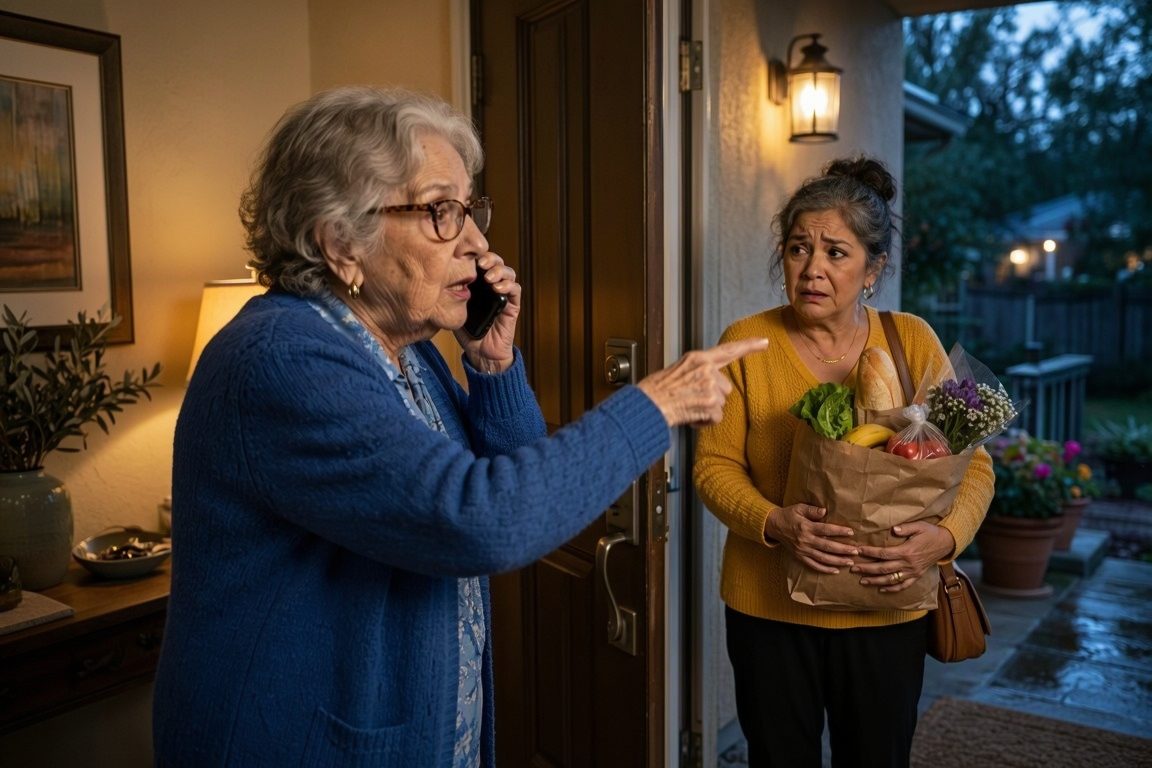
- Your loved one is not choosing to call the police on you, their brain is creating a false reality where you are a threat.
- Proactive communication with the police (calling them yourself) is the single most effective step you can take to prevent escalation.
- Always consider a medical cause first: infection, pain, constipation, or medication changes can trigger sudden paranoia.
- Create a dementia support card and a go-bag with medical documents to hand to first responders.
- Do not argue, do not take it personally, and do not ignore your own safety.
- You are not a bad caregiver for calling for help, you are protecting both of you.
Videos
 Police Called On Caregiver?! Do THIS ImmediatelyThis video directly addresses the exact scenario of a loved one calling the police on the caregiver. It includes advice from a sheriff on what to do immediately after the call is made.
 Time with Teepa - She Sees Helpers as CriminalsTeepa Snow explains why a person with dementia may see caregivers as criminals and offers specific communication techniques and the use of support cards.
 What Do I Do if my Person with Dementia Becomes Violent?This video covers what to do if the person becomes physically aggressive, including when to call for help and how to create a paper trail.
 Concerned about being reported to Adult Protective Services (APS)?This video addresses the fear of being reported for abuse or neglect, which is a common concern when police are involved.
2 more videos
 Decisions About Putting A Parent Into a Nursing HomeThis video helps caregivers consider when a higher level of care may be needed, especially if violent behavior or repeated police calls occur.
 What if the caregiver needs help? Get peace of mindThis video discusses personal safety devices and planning for the caregiver’s own health emergencies, which is important when you are the sole support.
Background
Why This Happens: The Brain’s Altered Reality
In dementia, the brain’s ability to recognize familiar faces, places, and situations gradually breaks down. A person may no longer recognize their own spouse, adult child, or long-time caregiver. When they see you, their brain may fill in the gap with a story that makes sense to them, for example, that you are a stranger who has broken into their home, a thief, or someone trying to control them. This is not a choice or a sign of ingratitude; it is a symptom of the disease. The feeling of threat is very real to them, and they may react by trying to protect themselves, including calling 911.
The Caregiver’s Dilemma: Fear of Being Misunderstood
When police arrive, they have a duty to investigate. They do not know your loved one’s diagnosis or your relationship. If the person with dementia insists you are an abuser or an intruder, the situation can become dangerous for you, you could be questioned, detained, or even arrested. This is why preparation and proactive communication are critical. The goal is not to argue with your loved one’s reality, but to manage the situation so that first responders understand the medical context and can help de-escalate safely.
Common Triggers: Pain, Infection, and Environmental Stress
Sudden aggressive or paranoid behavior often has a physical cause. Common triggers include urinary tract infections, constipation, pain (from arthritis, a fall, or an untreated injury), medication side effects, or even a change in the environment like a new caregiver or a rearranged room. When a person with dementia becomes suddenly more confused or accusatory, always consider a medical check-up first. As one expert notes, the first step is to 'assess the person' for pain, infection, constipation, or medication changes before assuming it is purely behavioral.
Practical tools
5
Dementia Support Card
Small laminated card stating: 'I have dementia and may be confused. Please call [your name] at [your phone number].' Keep in wallet, purse, or pinned to clothing.
MedicAlert or Safe Return
Programs through the Alzheimer's Association that provide identification bracelets and emergency response for people with dementia who wander or become lost.
Caregiver Go-Bag
Ready-to-grab folder containing:
Healthcare Power of Attorney
Legal document signed by your loved one while they had capacity, countersigned by their physician. Keeps you authorized to make medical decisions and carries weight with law enforcement.
Alzheimer's Association Helpline
24/7 helpline at 800-272-3900. Provides crisis support, local resources, support groups, and respite care information for caregivers.
Different situations
For a spouse caregiver
Spouses are often the most frequent target of misidentification because the person with dementia may not recognize their life partner. The accusation of being an 'impostor' or 'stranger' is common. It can be deeply painful. Remind yourself: this is the disease, not your spouse. Use the support card and proactive call script. Also consider couples counseling or a support group for spousal caregivers.
For an adult child caregiver
Adult children may be accused of 'stealing' money or 'trying to put me away.' This can feel like a betrayal after years of care. Do not take it personally. Keep financial records clear and transparent. If the police are called, explain that you are the power of attorney and show documentation. Consider having a third party (like a geriatric care manager) present during difficult conversations.
For Lewy body dementia or Parkinson’s dementia
These types often involve visual hallucinations and paranoid delusions that are more vivid and frequent. The person may see 'intruders' that are not real. Do not argue about what they see. Instead, say: 'I see you are scared. Let me check the house with you.' Also, be aware that some medications used for hallucinations can worsen symptoms, always discuss with a neurologist.
For late-stage dementia
In late stages, the person may be unable to use a phone or speak clearly. However, they may still become physically aggressive. If they hit or push you, call 911 for help. Paramedics and police are trained to handle this. You may need to consider a higher level of care, such as a memory care facility. This is not failure, it is recognizing that your loved one’s needs have changed.
If you are in a facility (assisted living or nursing home)
If the person with dementia calls the police from a facility, the staff should have protocols in place. However, you can still call the police station to explain the situation. Also, speak with the facility’s administrator about their dementia training for staff. If this happens repeatedly, it may be a sign that the facility is not a good fit.
For the doctor
5
- Ask your loved one’s doctor: 'Could a urinary tract infection, constipation, or pain be causing this sudden paranoia and aggression?'
- Ask: 'Are there any medications that might be contributing to hallucinations or delusions? Should we do a medication review?'
- Ask: 'Is it safe to use over-the-counter sleep aids or anti-anxiety medications? Some can worsen confusion.'
- Ask: 'What are the signs that I should call 911 for a medical emergency versus a behavioral crisis?'
- Ask: 'Should we consider a referral to a geriatric psychiatrist or a neurologist for specialized care?'