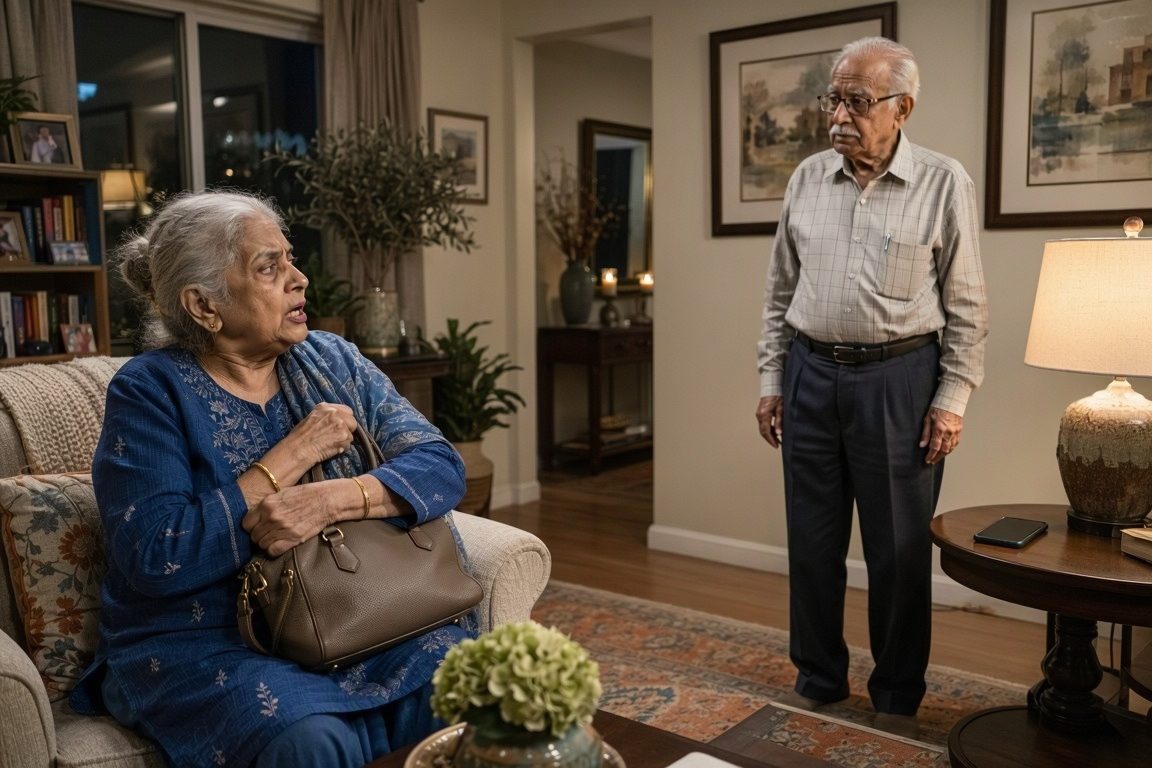
Step by step
What not to do
- Do not touch, grab, or corner the person.
- Do not argue, correct, or reason with the person.
- Do not use bright lights, loud voices, or sudden movements.
- Do not call 911 as a first resort; it risks triggering a catastrophic reaction and creating a permanent legal record.
- Do not leave the person alone if they are at risk of falling or wandering into danger.
Key points
- Calling the police during a dementia crisis can escalate fear, cause trauma, and create a permanent record that may harm your loved one’s future care.
- Always try de-escalation first: stay calm, keep your distance, identify the trigger, and use distraction.
- If the person threatens to call the police, call the police yourself first to explain the situation and request a trained officer.
- Create a 'dementia support card' for your loved one to carry, and a 'pre-call script' for yourself to use with 911.
- Never leave weapons, sharp objects, or medications within reach of a person with dementia.
- You are not a bad caregiver if you feel scared or overwhelmed. Reach out to a doctor, a helpline, or a support group for help.
Videos
 What Do I do if my Person with Dementia Becomes Violent?This video gives practical, step-by-step advice on how to stay safe and de-escalate when a loved one becomes physically aggressive.
 What To Do With A Violent Dementia PatientThis video covers the importance of assessing triggers, using calm communication, and knowing when to leave the room.
 Sundowning Syndrome in DementiaSundowning is a common trigger for late-day agitation. This video explains why it happens and how to create a calming evening routine.
 Aggressive Behavior in People with Dementia | Linda Ercoli, PhD | UCLAMDChatA UCLA expert explains the medical and psychological reasons behind aggression, and offers evidence-based strategies for caregivers.
2 more videos
 Medical GaslightingThis video helps caregivers recognize when medical professionals dismiss dementia symptoms, and how to advocate for proper care.
 How to talk to someone with dementia when they are afraid of saying the wrong thingThis video offers gentle communication techniques for when your loved one is anxious or paranoid, which can prevent escalation.
Background
What’s really happening during a dementia behavioral crisis
When a person with dementia becomes aggressive, paranoid, or confused, it’s not a deliberate act of defiance. Their brain is misinterpreting the world around them. A gentle touch can feel like an attack, a familiar face can look like a stranger, and a simple request can feel like a threat. The person is not choosing to be difficult; they are reacting to a reality that feels terrifying and out of control. As one expert explains, aggression and anger are triggered by feelings of loss of control, frustration, or the inability to understand a task, not by a desire to harm (source 9).
Why police involvement can backfire
Police officers are trained to handle crimes, not medical emergencies involving dementia. When they arrive at a home where a person is agitated, they may interpret the behavior as resistance or a threat. The presence of uniformed strangers, bright lights, loud voices, and physical restraint can terrify someone whose brain is already struggling to make sense of things. This can lead to a catastrophic reaction, the person may become more violent, try to flee, or be physically injured during an arrest. Even if the officer is well-meaning, the encounter can be traumatic and may result in a hospitalization or a police report that complicates future care. As one source notes, police often lack the specialized training to distinguish dementia-related behaviors from criminal intent (source 17).
The hidden risk: the person may not remember the crisis, but the system will
A single police call can create a permanent record. If the person is taken to a hospital, they may be sedated or admitted against their will. If the police file a report, it could be used later in guardianship or placement hearings. The person with dementia may not even remember the incident, but the consequences can follow them for years. That’s why it’s so important to try every other option first, not because you’re avoiding help, but because you’re protecting your loved one from a system that isn’t designed for their needs.
Practical tools
2
Alzheimer's Association 24/7 Helpline
800-272-3900 – Provides immediate crisis de-escalation coaching and connects you to local resources.
Crisis Intervention Team (CIT) officer request
If 911 is unavoidable, specifically request an officer with CIT training who is equipped to handle dementia-related emergencies.
Different situations
Lewy body dementia or Parkinson’s dementia
People with Lewy body dementia are especially sensitive to antipsychotic medications and can have severe reactions to them. Never give any calming medication without first consulting a neurologist who specializes in Lewy body. Also, these individuals often have visual hallucinations that feel very real, do not argue about what they see. Instead, say, 'I see you’re worried about that. Let’s move to the other room where it’s safer.'
Late-stage dementia (unable to speak or understand)
In late stages, the person cannot follow verbal instructions. Focus entirely on physical comfort: check for pain, hunger, thirst, or a full bladder. Use gentle touch (if they tolerate it) and soft music. Do not try to distract with conversation. If they become aggressive, your only safe option may be to leave the room and call for help from a trained caregiver or hospice team. Do not try to manage this alone.
Spouse caregiver vs. adult child caregiver
Spouses often feel more personally hurt by aggression, it can feel like a betrayal. Remember: the disease is causing this, not your partner. Adult children may feel guilt or fear of being seen as a 'bad' caregiver. Both need to prioritize their own safety. If you are a spouse, consider joining a support group for spouses of people with dementia. If you are an adult child, talk to a social worker about respite care or in-home help.
In a facility (memory care or nursing home)
If your loved one is in a facility and you are called about a behavioral crisis, do not rush in. Ask the staff: 'What triggered the behavior? Have you checked for pain? Have you tried distraction or a calm space?' If the facility calls the police without trying these steps, ask to speak to the director of nursing. You have the right to request a care plan meeting to discuss non-pharmacological interventions first.
If you are on Medicaid or have limited resources
If you cannot afford private in-home care or a memory care facility, you still have options. Call your local Area Agency on Aging (AAA), they can connect you with free or low-cost respite care, caregiver support groups, and crisis intervention services. Some police departments have a 'Crisis Intervention Team' (CIT) trained in dementia , ask your local precinct if they have one. You can also call the Alzheimer’s Association 24/7 Helpline (800-272-3900) for free guidance.
For the doctor
5
- Ask your doctor: 'Are there any medications that could help reduce my loved one’s agitation or aggression without making them too sleepy or increasing fall risk?'
- Ask your doctor: 'Could my loved one’s behavior be caused by a urinary tract infection, constipation, or a medication side effect? Should we do a urine test or a medication review?'
- Ask your doctor: 'If I ever feel unsafe at home, what are my options for emergency respite care or a short-term hospital stay?'
- Ask your doctor: 'Is there a local dementia crisis hotline or mobile crisis team that I can call instead of 911?'
- Ask your doctor: 'Should I consider a medical alert bracelet or a GPS tracker for my loved one in case they wander?'