Step by step
What not to do
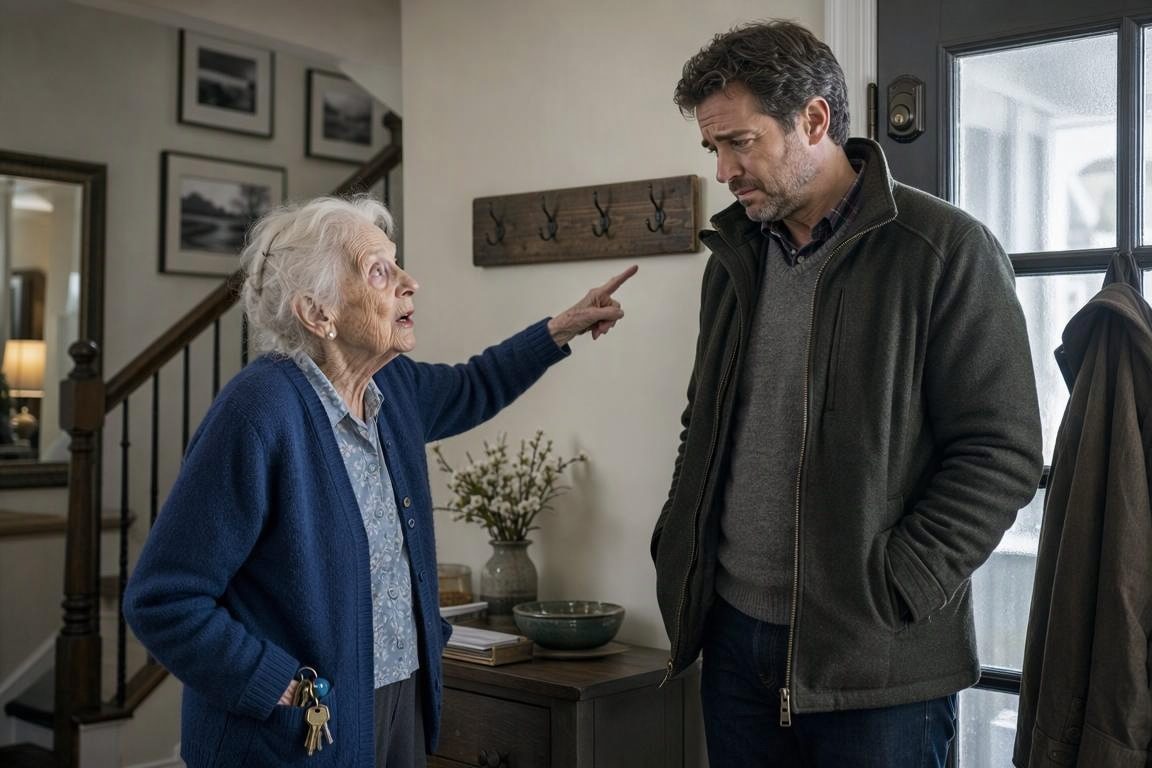
- Do not argue or try to prove they have dementia. This will only escalate the accusation and damage trust.Instead, validate their emotion and redirect.
- Do not take the accusation personally. Remember that 80% of people with Alzheimer's experience anosognosia. The blame is a symptom of brain damage, not a reflection of your care.
- Do not try to reason with logic. Their brain cannot process your evidence. Use emotional connection and distraction instead of facts.
- Do not isolate yourself out of shame. Caregivers who hide the blame often burn out faster. Share your experience with a support group or counselor who understands anosognosia.
- Do not force them to participate in activities they resist. If they refuse to bathe, try again later with a different approach (like a warm towel or a favorite song) rather than insisting and triggering blame.
- Do not ignore your own need for support. If you feel resentful or angry toward your loved one, that is a signal you need respite, not a sign of failure. Seek help before you reach a breaking point.
Key points
- Anosognosia is a neurological condition, not denial or stubbornness, your loved one truly cannot see their own deficits.
- Blame is a symptom of the disease, not a personal attack on you. Do not take it personally.
- Arguing or trying to prove they have dementia will always backfire. Validate their feeling, then redirect.
- Use 'we' language, limited choices, and therapeutic fibs to reduce accusations and maintain safety.
- Create a predictable routine and keep spare items handy to defuse common accusations.
- You did not cause this, but you can learn skills to manage it. Seek support from groups, counselors, or clinicians.
Videos
 Why your loved one doesn't believe they have dementia- It's NOT denial.Explains anosognosia as a brain-based condition, helping you understand why blame is not personal.
 Dementia is not your fault, but it is your realityReinforces that you did not cause the disease and offers strategies to face the reality of blame without guilt.
 Why Dementia Patients Say 'I'm Fine': Anosognosia Explained (Stop the Fights)Directly addresses how to stop arguments that arise from anosognosia, which is the root of blame.
 225. What You Need To Know About Dementia Caregiver Guilt: It's Not Your FaultHelps you separate guilt from the reality of caregiving, especially when you are blamed.

Background
What Is Anosognosia and Why Does It Cause Blame?
Anosognosia is not denial or stubbornness, it is a literal loss of self-awareness caused by damage to the frontal and parietal lobes of the brain. These regions are responsible for recognizing one's own deficits. When a person with dementia cannot perceive their memory loss, confusion, or unsafe behaviors, their brain fills the gap with an alternate reality. In that reality, you , the caregiver , become the source of their problems. They may believe you are hiding things, controlling them, or even trying to harm them. This is not a choice; it is the brain's failed attempt to make sense of a world that no longer matches their internal experience.
Why Arguing Backfires Completely
When you try to prove to your loved one that they have dementia or that their accusation is false, you are asking them to use the very part of their brain that is broken. They cannot be convinced because the neural pathways for that insight no longer function. Every argument reinforces their belief that you are the enemy, because you are telling them something that feels utterly untrue. The result is more anger, more blame, and more distress for both of you. You cannot win a debate with a brain that cannot perceive reality. The goal must shift from being right to keeping everyone safe and calm.
The Emotional Toll on You, the Caregiver
Being blamed day after day can trigger guilt, resentment, and even anger toward your loved one. You may start questioning yourself: 'Did I do something wrong? Am I not patient enough?' This is especially common for newer caregivers and for those who have been caring for many years. The exhaustion of managing safety, finances, hygiene, and driving while being accused of causing the problem is overwhelming. It is vital to recognize that these feelings are normal and do not make you a bad person. The blame is a symptom of the disease, not a judgment of your care.
Practical tools
6
The Validation Script
A set of phrases to use when accused. Say: 'I hear you. That sounds really frustrating.' Then pause. Then redirect: 'I need your help with something in the kitchen, can you come with me?' This script avoids argument and moves the interaction forward.
The 'Spare Items' Kit
Keep duplicates of commonly lost items:
When your loved one accuses you of stealing, you can produce the spare and say 'Look, it was here all along.' This defuses the accusation without confrontation.
The Daily Routine Chart
Create a simple visual schedule with pictures (e.g., breakfast, walk, lunch, rest). Place it on the wall. When your loved one asks 'What are we doing today?' or accuses you of hiding plans, point to the chart. This reduces their anxiety and the need to invent explanations.
The 'Permission' Approach
Before offering help, ask: 'Would it be okay if I helped you with that?' or 'Do you want my opinion on this?' This respects their autonomy and reduces the feeling of being controlled, which often triggers blame. If they say no, wait and try again later.
The Caregiver Journal
Keep a small notebook to write down accusations and your responses. Review it weekly to spot patterns. For example, if blame always happens around 4 PM, that may be 'sundowning' time, and you can plan a calming activity then. This tool turns confusion into actionable data.
The 'We' Language Reframe
Practice replacing 'you' statements with 'we' statements. Instead of 'You need to take your medicine,' say 'We need to take our medicine now so we can feel good for our walk.' This subtle shift reduces blame and builds cooperation.
Different situations
Lewy body dementia
Blame may be more intense and sudden due to fluctuating cognition and visual hallucinations. Use very calm, slow speech. Do not challenge their hallucinations directly; instead, say 'I see you are worried about that person. Let me help you feel safe.' Keep the environment quiet and well-lit to reduce paranoia.
Late-stage dementia
Blame may become less verbal but still present as agitation or resistance. Focus on non-verbal comfort: gentle touch, soft music, a familiar object. Use fewer words and more reassuring actions. If they push you away, step back and try again later. Safety and comfort are the priorities.
Spouse vs. adult child caregiver
Spouses often feel the blame more personally because of the history of partnership. Adult children may feel guilt about 'taking over' a parent's life. For spouses: remind yourself that the disease is changing your partner, not that your partner has turned against you. For adult children: involve siblings or a counselor to share the emotional load and validate your role.
Living in a facility
Blame may shift to staff, but you may still be accused when you visit. Prepare staff with a written note about your loved one's triggers and effective redirection techniques. When visiting, keep visits short and positive. If accusations start, say 'I need to go to the restroom' and step out briefly to reset the interaction.
Medicaid or financial constraints
Limited resources can increase blame because you may have to say 'no' to things they want (e.g., eating out, buying gifts). Use redirection to free or low-cost activities: a walk in the park, looking at old photos, listening to music. When they accuse you of being cheap, say 'I wish we could do that too. Let's find something fun we can do right now.'
For the doctor
4
- If your loved one's accusations include threats of harm to themselves or others, discuss safety planning with their doctor immediately.
- If they insist on changing bank accounts or legal documents, consult an elder law attorney or your loved one's clinician about capacity evaluation and protective measures.
- If you feel overwhelmed by anger or resentment toward your loved one, ask your doctor or a therapist about caregiver support resources and possible respite care options.
- If your loved one's paranoia or blame is accompanied by new symptoms like hallucinations or severe agitation, discuss whether a medication adjustment might be appropriate.