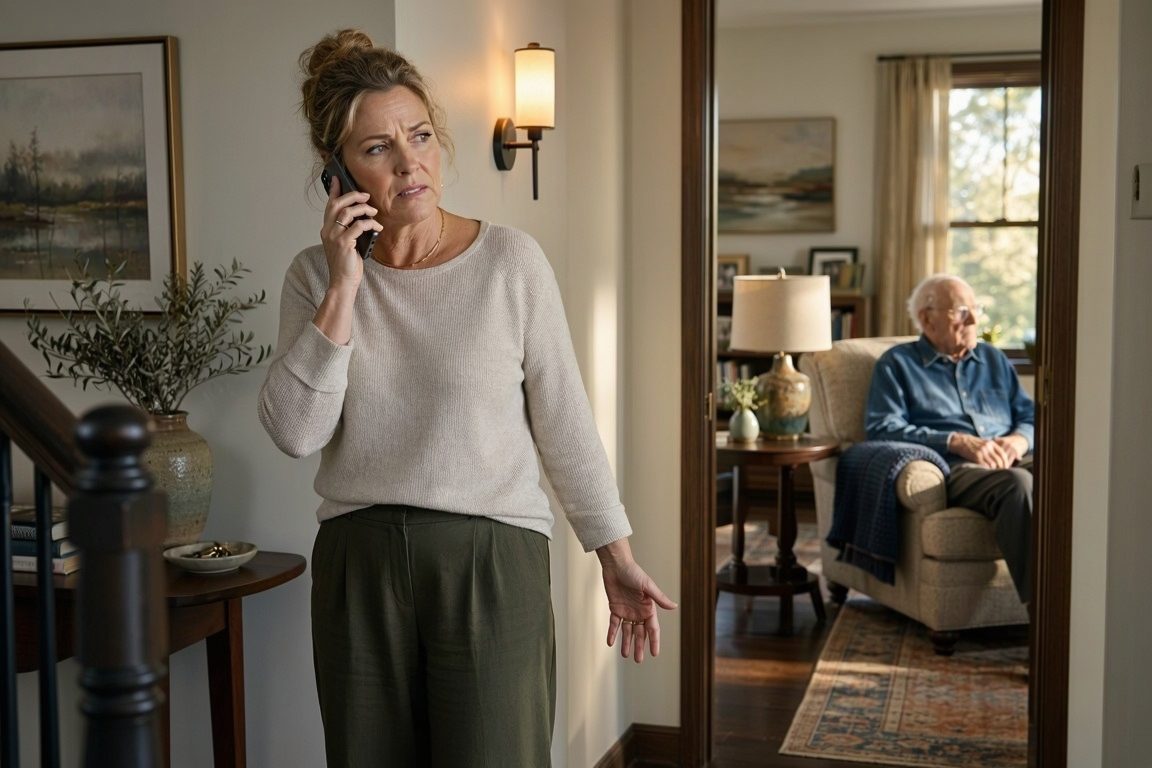
Step by step
What not to do
- Do not try to power through without breaks. This raises the risk of harm.
- Do not argue with your loved one or try to reason with them when you are angry.
- Do not hide your struggles from the doctor, family, or friends.
- Do not sacrifice sleep, meals, or exercise.
- Do not make a blanket promise that you will never place your loved one in a care facility.
Key points
- Feeling like you might harm your loved one is a sign of caregiver burnout, not a moral failing. It means you need immediate support.
- Step away from the situation first. Your safety and your loved one's safety are the top priority.
- Call a crisis line or a trusted person immediately. You do not have to handle this alone.
- Create a written safety plan with specific steps you will take when overwhelmed.
- Use respite care, support groups, and professional help to get regular breaks.
- Talk to your loved one's doctor and your own doctor about your feelings and available resources.
Videos
 Can you care TOO MUCH for someone with dementia?This video helps you understand that over-caring can harm your relationship and increase your stress. It offers strategies to protect your relationship while still providing care.
 Dementia Emergency PlanningThis video walks you through creating an emergency plan for when you are unable to care for your loved one. It is essential for preventing crisis situations.
 How to Support an Alzheimer's-Dementia Caregiver: Time, Money, RespiteThis video gives practical advice on how to ask for and accept help from others, including respite care and financial support.
 Dementia and Scams: Keep your money safe!Financial stress can increase caregiver burnout. This video helps you protect your loved one from scams, reducing one source of stress.
2 more videos
 Long-Distance CaregivingIf you are a long-distance caregiver, this video offers tips on coordinating care and getting local support, which can reduce your burden.
 Coping with Caregiver BurnoutThis video directly addresses burnout and provides coping strategies, including how to recognize when you need a break and how to take one.
Practical tools
6
The Safe Person Script
When your loved one is upset, say: 'I see you are upset. I am sorry this is so hard. How can I help?' This validates their feelings without taking responsibility for their emotions and gives you a moment to breathe.
The 5-4-3-2-1 Grounding Technique
When you feel overwhelmed, name 5 things you can see, 4 you can touch, 3 you can hear, 2 you can smell, and 1 you can taste. It pulls your brain out of fight-or-flight and into the present moment.
The Respite Care Checklist
Create a one-page handoff sheet with
Keep it by the door so a respite worker can step in quickly.
The Emergency Break Card
Write on an index card: 'I am feeling overwhelmed. I need to step away for 10 minutes. I will be back.' Keep it in your pocket. When the urge to harm appears, read it aloud to yourself.
The Support Line Numbers Card
Tape this card to your refrigerator or bathroom mirror:
Your Personal Warning Signs Card
On a small card, write the specific thoughts, body sensations, and behaviors that signal you are approaching your limit (for example: clenched jaw, raised voice, the thought 'I can't do this anymore'). Below each one, write the exact first step you will take. Carry it with you.
Different situations
If your loved one has Lewy body dementia
Lewy body dementia often involves hallucinations and extreme fluctuations in cognition. Your loved one may become suddenly frightened or aggressive. In these moments, do not try to reason about the hallucination. Instead, validate their fear and redirect. For example, say, 'I see you are scared. Let's go to the kitchen and have a cup of tea.' Avoid sudden movements or loud noises, which can trigger more agitation. Discuss with your clinician about medications that may help with hallucinations or parkinsonism.
If you are an adult child caring for a parent
You may feel a role reversal that is deeply painful. You might also have siblings who are not helping, which can increase resentment. It is important to set boundaries with siblings. You can say, 'I need a break. Can you take over for the weekend?' If they refuse, consider hiring a professional caregiver. You are not obligated to do everything alone. Also, consider joining a support group specifically for adult children caregivers.
If your loved one is in a hospital or facility
You may feel guilty about not being able to provide care at home. But your safety and well-being matter too. If you feel you might harm your loved one, it is okay to step back and let professionals take over. You can still visit and be involved, but you need to protect yourself first. Talk to the hospital social worker about your feelings. They can connect you with counseling or a support group.
If you are a spouse caregiver
The emotional bond is often deeper, and the grief of losing your partner to dementia can be overwhelming. You may feel that harming your loved one would be a betrayal of your vows. But your safety and health are also part of your commitment. It is okay to ask for help. Consider couples counseling or a caregiver support group for spouses. You can also explore adult day programs that give you a break during the day.
If you are in a rural area with few resources
You may not have easy access to respite care or support groups. In this case, use online resources like the Alzheimer's Association's online support groups or the Caregiver Action Network. You can also ask your local Area Agency on Aging (in the US) or your regional health authority (in Canada) about virtual respite options. Consider hiring a neighbor or a local high school student to sit with your loved one for a few hours.
For the doctor
5
- Ask your loved one's doctor: 'Are there medications that can help reduce agitation or aggression in my loved one? What are the risks and benefits?'
- Ask your own doctor: 'I am experiencing intense anger and fear of harming my loved one. Are there medications or therapies that can help me manage these feelings?'
- Ask a social worker: 'What are the legal steps for placing my loved one in a memory care facility if I cannot keep them safe at home?'
- Ask a therapist: 'Can you help me develop a safety plan for when I feel overwhelmed?'
- Ask the hospital discharge planner: 'What respite care options are available in my area? Are there any financial assistance programs?'