Step by step
What not to do
- Don't dismiss virtual PT as second-best, many seniors actually thrive at home in their own environment, so give it a genuine 4-6 week trial before judging.
- Don't skip the pre-session setup, a cluttered room, bad lighting, or a low camera angle makes safe assessment impossible.
- Don't physically move your loved one's limbs through the exercises for them; that builds your strength, not theirs. Use verbal cues and tell the therapist if a movement is truly too hard.
- Don't push through pain or fear, if they're terrified of falling, stop, reassure, and let the therapist teach you safe spotting or a modified version that rebuilds confidence first.
Key points
- Virtual physiotherapy is a live, video-based session with a licensed therapist that helps seniors build strength, balance, and confidence at home.
- Prevention is the goal: small daily exercises can prevent falls, fractures, and loss of independence.
- Set up a clear, safe space with good lighting and a stable internet connection before each session.
- Attend the first session with your loved one to learn the routine and how to help them safely.
- Use simple cues, praise, and routine to encourage daily practice, consistency beats intensity.
- Don’t hesitate to ask for modifications or adaptive equipment; the therapist is your partner in keeping your loved one safe.
Videos
 An Interview with Dr. Jim Feng of PhyxableDr. Feng explains how virtual physiotherapy works, why prevention is hard, and how technology and psychology combine to keep seniors active at home. Essential for understanding the ‘why’ behind virtual PT.
 Respecting a Senior's Independence while Providing CareThis video offers practical tips on how to encourage exercise without taking away your loved one’s dignity, crucial for getting buy-in from a resistant senior.
 Senior Won't Bathe? 9 Tips For How To Get Your Elderly Parent To ShowerBathing is a common fear for seniors with balance issues. This video provides gentle strategies that complement the home modifications recommended by a PT.
 Caring For Elderly Parents What Matters MostFocuses on the importance of daily physical activity and social connection, both of which virtual PT supports. Great for motivation.
2 more videos
 How to get dementia help without needing a nursing homeExplores alternatives like adult day centers and in-home therapy, which can complement virtual PT and provide caregiver respite.
 Dementia Care Partner Talk Show Podcast, Ep. 68: 2020 PAC Conference, A Virtual GatheringTeepa Snow discusses how virtual platforms can be used effectively for dementia care, including interactive sessions that feel personal and engaging.
Background
What Is Virtual Physiotherapy and Why Does It Matter?
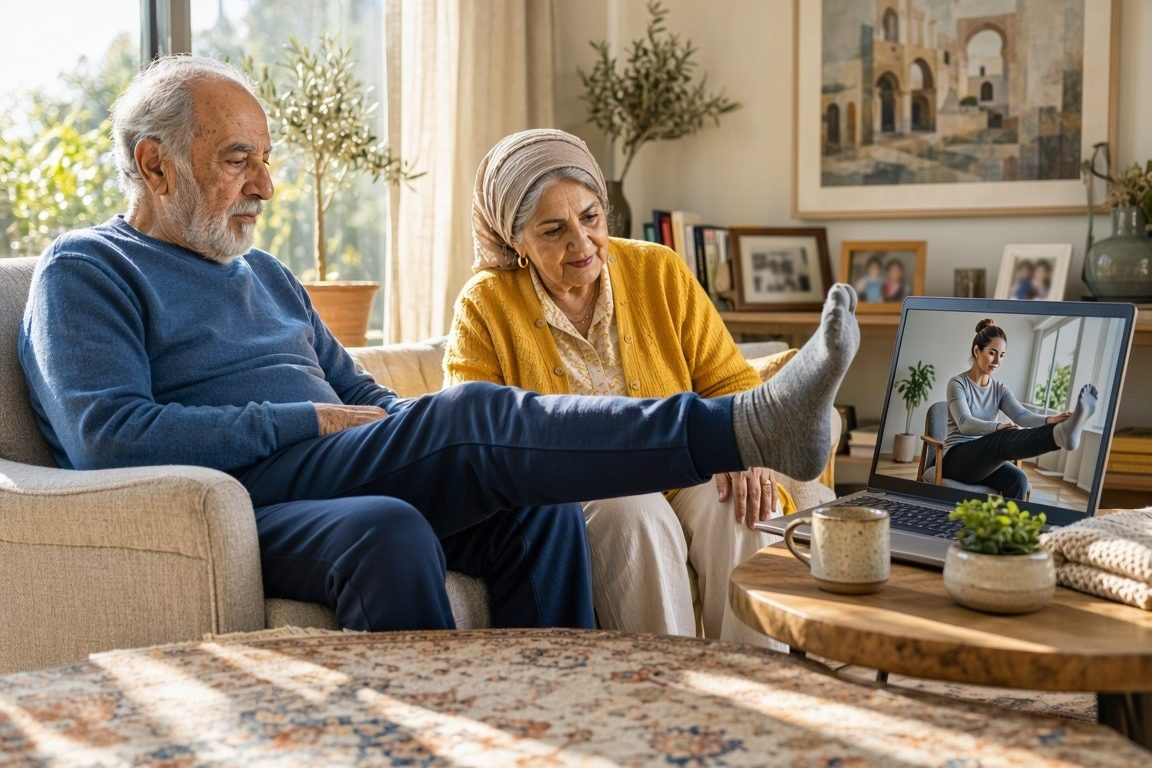
Virtual physiotherapy (also called telehealth PT) is a live, one-on-one session with a licensed physical therapist conducted over a video platform like Zoom or a specialized app. The therapist observes your loved one moving in their own home environment, assesses their strength, balance, and gait, and prescribes tailored exercises. As one expert explains, the goal is prevention: catching small declines before they become big problems, and helping people safely age at home by managing pain and improving function. For seniors with dementia, the familiar home setting can reduce confusion and anxiety, making therapy more effective.
Why Prevention Is So Hard, and How Virtual PT Helps
Let’s be honest: humans are lazy, and seniors are no exception. It’s easy to skip exercises when no one is watching. Virtual PT builds in accountability and psychology, the therapist checks in regularly, adjusts the program, and celebrates progress. Research shows that regular physical activity improves health and well-being for people living with dementia, even those in nursing homes. At home, virtual PT can help your loved one get out of bed more easily, shower safely, get in and out of a car, and play with grandchildren. Without it, muscle weakness and balance problems lead to falls, fractures, and a loss of independence that often requires moving to a care facility.
How It Works in Practice
Typically, the first session is an evaluation: the therapist asks about medical history, current pain, and daily activities. They watch your loved one walk, stand from a chair, and maybe reach for something. Then they prescribe a set of exercises, things like seated leg lifts, standing heel raises, or gentle stretches , and demonstrate them on camera. Between sessions, your loved one does the exercises daily, often with your help as a caregiver. The therapist may also recommend adaptive equipment like a cane, walker, or grab bars, and can teach you both how to use them safely. Many platforms also offer recorded exercise libraries so your loved one can follow along anytime.
Practical tools
3
Visual Exercise Checklist
A laminated daily checklist with stick-figure pictures of each exercise, checked off after completion with space for notes like 'used walker' or 'felt dizzy,' shared with the therapist at each session.
Progress & Pain Log
A simple notebook or one-page form to record exercises completed, any new pain or dizziness, and small victories, brought to each session so the therapist can adjust the program based on real data.
Home Safety Equipment
ask the PT for low-cost alternatives if cost is a barrier.
Different situations
Dementia (Alzheimer’s, Lewy body, vascular, frontotemporal)
For someone with dementia, keep sessions short (15-20 minutes) and use simple, one-step instructions. Avoid complex sequences. Use music they love to set a calm mood. If they become agitated, stop and try again later. For Lewy body dementia, be extra cautious with standing exercises due to fluctuating blood pressure and Parkinsonism. Always have a chair nearby. The therapist may recommend weighted utensils or adaptive equipment to help with tremors and eating.
Late-stage dementia or hospice
Even on hospice, you can request a physical or occupational therapy consult to teach you safe transfer techniques (e.g., how to move your loved one from bed to chair without hurting yourself or them). Medicare covers this. The goal is not improvement but comfort and safety. The therapist can show you how to use a gait belt, how to pivot, and how to position pillows to prevent pressure sores.
Spouse vs. adult child caregiver
If you are the spouse, you may feel more comfortable with hands-on help. But you also may be older and at risk of injury yourself. Ask the therapist to teach you proper body mechanics. If you are an adult child, you may need to navigate your parent’s resistance to being ‘told what to do’ by their child. Frame the therapy as ‘the doctor wants us to try this’ or ‘let’s do it together.’ Consider hiring a home health aide to assist with exercises if family dynamics are strained.
Parkinson’s disease
Parkinson’s-specific exercise classes (e.g., LSVT BIG, Rock Steady Boxing) are proven to improve gait and balance. Many are offered virtually. The therapist can also teach strategies to overcome freezing (e.g., stepping over a visual cue on the floor). Be aware that fatigue and ‘on-off’ medication fluctuations affect performance, schedule therapy during ‘on’ times when movement is easiest.
Medicaid or limited income
Medicaid in many states covers telehealth PT. Contact your state’s Medicaid office or your local Area Agency on Aging for a list of providers. Some non-profit organizations offer free or sliding-scale virtual exercise programs for seniors. For equipment, check with local senior centers, churches, or online ‘buy nothing’ groups for donated walkers, grab bars, or shower chairs.
For the doctor
6
- Ask the doctor: Is my loved one safe to start a virtual exercise program given their heart condition, recent surgery, or history of falls?
- Ask the doctor: Are there any medications that could cause dizziness or low blood pressure during exercise?
- Ask the therapist: How do I modify exercises if my loved one has severe arthritis, osteoporosis, or a joint replacement?
- Ask the therapist: What signs of overexertion or injury should I watch for (e.g., chest pain, severe shortness of breath, new confusion)?
- Ask the doctor: Can you recommend a physical therapist who has experience with dementia or Parkinson’s?
- Ask the doctor: Is a home safety evaluation (by an occupational therapist) covered by our insurance?