Step by step
What not to do
- Do not assume they are safe because they have good days. Dementia fluctuates, and a good day can give false reassurance.Instead, base your assessment on their worst days and their ability to handle unexpected events.
- Do not grill them with a list of questions. This can make them defensive or anxious.Instead, use open-ended questions and observe naturally during conversation. Let them talk without interruption.
- Do not make promises you cannot keep, like 'I will never move you.' Circumstances change, and such promises can create guilt and resistance later.Instead, say, 'I will do everything I can to keep you safe at home for as long as possible.'
- Do not ignore your own gut feeling. If you feel something is wrong, trust that instinct. Many caregivers later say they wished they had acted sooner. Use the PEACE framework to validate your concerns.
- Do not wait for a crisis. A fall, a fire, or a wandering incident can be devastating. Act proactively. Even small interventions, like a daily call or a meal delivery, can prevent a major incident.
- Do not try to do everything alone. You are not a superhero. Reach out to other family members, neighbors, or professional caregivers. A team approach reduces your stress and improves your loved one's safety.
Key points
- Use the PEACE framework (Problem-solving, Emergency, ADLs, Communication, Environment) to assess safety systematically.
- If you suspect they are not safe, they probably aren't. Trust your gut and act proactively.
- Observe their ability to scan their environment and respond to an emergency question, these are critical skills.
- Do not wait for a crisis. Small interventions (daily calls, home modifications, meal delivery) can prevent major incidents.
- Involve their clinician, a geriatric care manager, or a social worker for professional guidance.
- Remember: your loved one's safety and dignity are both important. Approach conversations with love and respect.
Videos
 217. 3 Dementia Caregiver Tips: How To Control Anger, Deal With Paranoia & SundowningThis video offers practical tips for managing challenging behaviors that often arise when a person with dementia is living alone, such as sundowning and paranoia. It can help you respond calmly and reduce stress.
 Things Not To Say To Your Loved Ones Who Need CareThis video teaches you how to communicate effectively and avoid phrases that can cause distress or resistance. Essential for having the 'safety conversation' with your loved one.
 32. Navigating the Caregiver Hiring Process: Five Essential Tips / Alzheimer’s and Other DementiasIf your assessment shows they need help, this video guides you through hiring a caregiver. It covers assessing needs, creating a care plan, and introducing a caregiver into the home.
 #6.2 Determining if Help is Needed: Long Distance Caregiving (2 of 5)For long-distance caregivers, this video provides tips on how to recognize signs that help is needed, even from afar. It complements the PEACE framework by offering remote assessment strategies.
2 more videos
 SIGNS YOUR LOVED ONE WITH DEMENTIA IS NOT SAFE TO DRIVEDriving is a critical safety issue for those living alone. This video helps you identify signs of unsafe driving and how to approach the conversation about stopping.
 Amy Shaw, PA-C Founder of Better DementiaThis video offers expert insights on dementia care, including tips on assessing safety and making decisions about living arrangements. It provides a professional perspective to support your assessment.
Background
What Is the PEACE Framework?
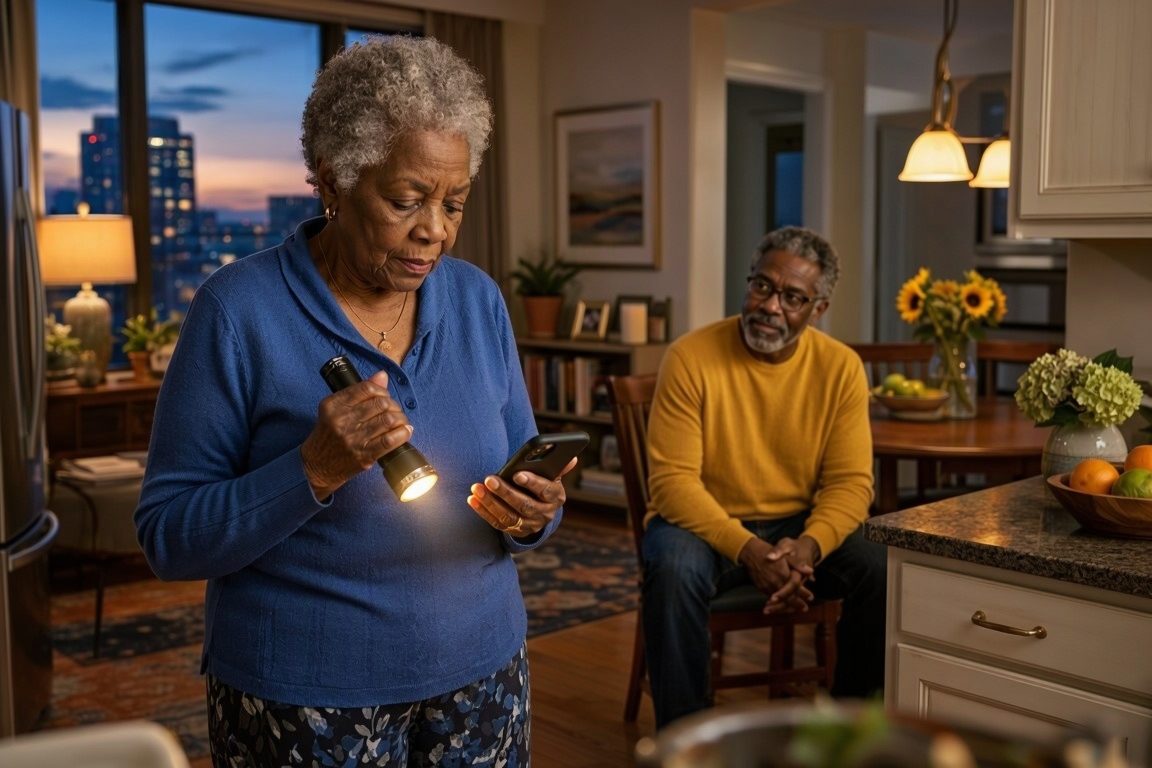
The PEACE framework stands for: P – Problem-solving and scanning ability, E – Emergency response, A – Activities of daily living (ADLs), C – Communication and social support, E – Environment and safety. It is a structured way to evaluate whether your loved one can live alone safely. The core question is: can they scan their environment and locate things that are not in sight anymore? This ability is critical for tasks like finding a phone, a fire extinguisher, or a flashlight during a power outage. When this skill declines, the risk of unsafe decisions rises sharply.
Many caregivers notice that their loved one has 'good days and bad days,' which makes assessment confusing. However, experts emphasize that if you are suspecting they may not be safe, then they probably aren't. The PEACE framework helps you move from worry to concrete observation, giving you a clear picture of their actual capabilities rather than relying on memory of past competence.
This framework also acknowledges that independence and safety often conflict. Your loved one may value their freedom and resist change, but your role is to ensure they are clean, safe, and comfortable. By using PEACE, you can have honest conversations grounded in facts, not fear.
Why This Happens: The Hidden Risks of Living Alone
Dementia progressively impairs judgment, memory, and problem-solving. A person who once managed their home with ease may now forget to turn off the stove, leave the door unlocked, or wander outside without knowing how to return. These risks are magnified when they live alone because there is no one to notice or intervene. For example, a person with dementia might not recognize that they are dehydrated or that their medication schedule has slipped, they rely on their own perceptions, which are increasingly unreliable.
Living alone also increases the likelihood of social isolation, which can worsen cognitive decline. Without regular interaction, they may become more confused, anxious, or depressed. Additionally, they are less likely to use health care services because they don't perceive a need, leading to untreated conditions and a higher risk of nursing home placement. The PEACE framework helps you catch these issues early, before a crisis occurs.
Familiarity with their home environment can provide comfort and a sense of security, but it can also mask dangers. Your loved one may appear fine because they follow routines, but a single unexpected event, like a power outage or a fall, can reveal their vulnerability. The goal is to assess not just their daily functioning, but their ability to handle emergencies.
Practical tools
6
The Emergency Question Script
Use this exact phrase: 'What would you do if there was a fire in the kitchen?' Then stop talking. Let them answer. Listen for a logical sequence. If they cannot answer, say, 'Let's practice together. First, we would call 911. Then we would go outside and wait for the fire truck.' This becomes a teaching moment.
The 'Scan and Find' Test
During a visit, place a common object (like a TV remote or a phone) in an unusual but visible spot. Ask, 'Can you hand me the remote?' Observe if they look around the room or become confused. This tests their ability to scan their environment, a key skill for safety.
Daily Check-In Call Checklist
Create a simple checklist for a daily phone call:
Use a calm, caring tone. If they miss a call, have a backup plan (neighbor check, emergency contact).
Home Safety Audit Checklist
Walk through the home with this list:
Medication Management Tools
Use a weekly pill organizer with large compartments. For multiple medications, consider a automatic pill dispenser that locks and releases doses at set times. Discuss with their clinician whether a blister pack from the pharmacy is appropriate. Never change medications without medical advice.
Wandering Prevention Kit
Install door alarms that chime when opened. Use GPS tracking devices (like a smartwatch or pendant) if they wander. Place a stop sign or a 'Do Not Enter' sign on the door. If they are still able to exit despite these measures, they may need a locked memory care setting. Discuss with their clinician and a geriatric care manager.
Different situations
Lewy body dementia or Parkinson's disease dementia
These conditions often involve visual hallucinations and fluctuations in alertness. The PEACE assessment should include observation for hallucinations that may cause fear or confusion. They may be more prone to falls due to motor symptoms. Ensure the home is clutter-free and well-lit. Discuss with their clinician about medications that can help with hallucinations.
Early stage vs. middle stage
In early stage, the person may still be safe with minimal support (e.g., daily check-in calls, meal delivery). In middle stage, they likely need supervision for most activities. Use the PEACE framework monthly to track decline. If they are still driving, assess driving safety separately, look for difficulty staying in lanes, stopping at stop signs, or slowing down appropriately.
Spouse vs. adult child caregiver
As a spouse, you may be living with them and can observe daily. Use the PEACE framework to decide when to bring in outside help. As an adult child, you may be long-distance. Schedule regular visits and ask neighbors or friends to check in. Use video calls to observe their environment. If you cannot visit, hire a geriatric care manager for an in-home assessment.
Living in a facility (assisted living or memory care)
Even in a facility, you may wonder if they are safe alone in their room. Use the PEACE framework to assess their ability to call for help, manage their own medications (if allowed), and navigate the facility. If they are wandering or at risk of falls, discuss with facility staff about increasing supervision or moving to a higher level of care.
Medicaid or limited financial resources
If you cannot afford private caregivers, explore community resources: Area Agency on Aging, local senior centers, church groups, or volunteer programs. Some states have Medicaid waivers for home care. Discuss with a social worker or geriatric care manager. Use low-cost tools like door alarms (under $20) and pill organizers.
For the doctor
5
- Ask their doctor: 'Can you help us assess whether my loved one is safe to live alone? Are there any cognitive tests that can give us a clearer picture?'
- Discuss medication management: 'Is it safe for my loved one to manage their own medications? Should we use a blister pack or automatic dispenser?'
- If wandering is an issue: 'What are the risks of wandering? Should we consider a GPS tracker or a medical alert system? Are there medications that can help with agitation or sundowning?'
- If driving is a concern: 'Can you refer us to a driving rehabilitation specialist for an official assessment? How do we approach the conversation about stopping driving?'
- If you notice signs of depression or anxiety: 'Could my loved one benefit from counseling or medication for their mood? How do we support their emotional well-being while living alone?'