Step by step
What not to do
- Do not assume all sleep disturbances are due to dementia; they may be separate treatable disorders.
- Do not give sleep medications without a proper diagnosis, as they can worsen conditions like RBD or sleep apnea.
- Do not ignore sudden onset of dream-enacting behaviors, this may indicate early Lewy body dementia or Parkinson's disease.
Key points
- Sleep disorders in dementia are common and treatable; do not dismiss them as normal aging.
- RBD (acting out dreams) is a red flag for Lewy body dementia and Parkinson's; prioritize safety and a sleep study.
- Sleep apnea causes breathing pauses and can worsen cognitive decline; a CPAP machine can help.
- Insomnia is best treated with cognitive behavior therapy (CBT-I), not sleeping pills.
- A sleep diary and simple questionnaires (RBDSQ, Epworth) are powerful tools for your doctor visit.
- Always involve the doctor before starting or stopping any sleep medication.
Videos
 Neurologist's #1 Sleep Trick for 30% Sharper Memory | Dr. Khushboo VermaOffers a simple, non-drug sleep strategy that may improve memory, relevant for dementia caregivers.
 Dr. Daniel I. Kaufer Lecture series: Diagnosis and Management of Dementia with Lewy BodiesProvides expert insight into DLB, including sleep disturbances like RBD, and management approaches.
 Management of Comorbid Symptoms that Interfere with Sleep in the Older AdultCovers practical management of sleep problems in older adults, including those with dementia.
 Do Sleep Medications Increase Dementia Risk? | Dr. Yue Leng, UCSFExplains risks of sleep medications, reinforcing the importance of non-drug approaches.
2 more videos
 What Can A Dementia Patient Take To Help Them Sleep?Directly addresses safe sleep aids for dementia patients, including melatonin and behavioral strategies.
 Kicking or Punching in Sleep? Don't Let This Be Missed: Sleep Behavior & Parkinson's/Lewy DementiaFocuses on RBD recognition and safety, crucial for caregivers of those with synucleinopathies.
Background
Why Sleep Disorders Matter in Dementia Care
Sleep disturbances are not just a nuisance; they can be early warning signs or ongoing challenges in conditions like dementia with Lewy bodies, Parkinson's disease, and Alzheimer's. For example, REM sleep behavior disorder (RBD), where people act out their dreams by kicking or punching, is strongly linked to synucleinopathies like Lewy body dementia and often appears years before memory problems. Similarly, sleep apnea can worsen cognitive decline by repeatedly cutting off oxygen to the brain. Recognizing these patterns helps you seek the right help early.
Key Features of Each Sleep Disorder
Each sleep disorder has distinct characteristics. Insomnia involves trouble falling or staying asleep, with daytime fatigue and difficulty napping. It is diagnosed by history and often treated with cognitive behavior therapy (CBT-I) rather than pills. Sleep apnea causes breathing pauses during sleep, leading to loud snoring and gasping; it is more common in men but also affects women, especially after menopause. RBD is marked by dream-enacting behaviors (like punching or yelling) during REM sleep, confirmed by a sleep study showing increased muscle tone. Narcolepsy involves excessive daytime sleepiness and sudden sleep attacks, often with cataplexy (sudden muscle weakness). Restless legs syndrome (RLS) causes uncomfortable leg sensations that worsen at rest and improve with movement.
The Role of Sleep Studies and Professional Diagnosis
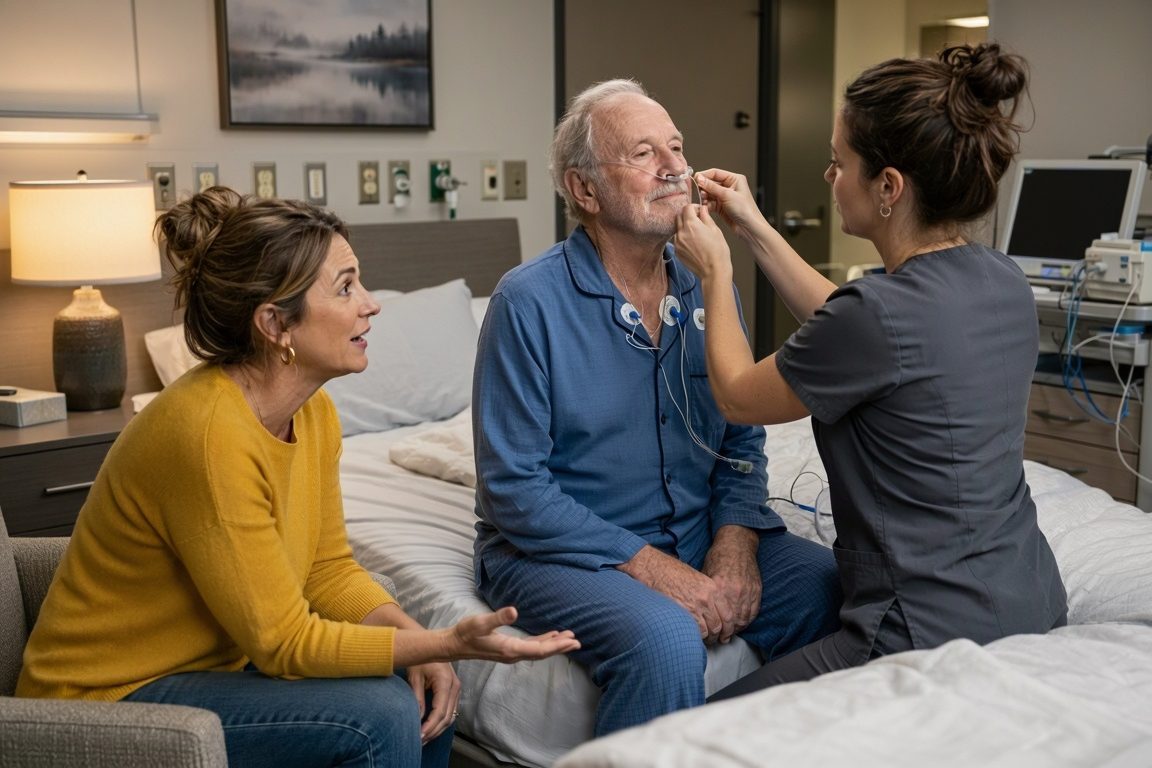
While home observations are valuable, a formal sleep study (polysomnography) is often needed to confirm diagnoses like RBD or sleep apnea. For RBD, the study shows loss of normal muscle paralysis during REM sleep. For sleep apnea, it measures breathing pauses and oxygen drops. Portable home sleep tests can screen for apnea but may miss RBD or insomnia because they lack brain-wave monitoring. If you suspect RBD or complex sleep issues, ask your doctor about a full in-lab sleep study. The RBD screening questionnaire (RBDSQ) can help flag possible RBD at home.
Why Safety and Routine Matter
For caregivers, safety is paramount. RBD can lead to injuries for the patient or bed partner, consider padding the bedside, removing sharp objects, and using a low bed. Sleep apnea may require a CPAP machine, which can be challenging for someone with dementia; patience and gradual introduction help. Insomnia often responds to simple sleep hygiene: a consistent bedtime, avoiding screens, and reducing caffeine. Remember, sleep problems in dementia are treatable, but they require a team approach involving you, the doctor, and sometimes a sleep specialist.
Practical tools
2
Sleep diary template
A structured log to record bedtime, wake time, awakenings, behaviors, and daytime sleepiness over two weeks.
Epworth Sleepiness Scale
A validated 8-item questionnaire to measure daytime sleepiness; scores above 10 indicate excessive sleepiness needing further evaluation.
Different situations
Lewy body dementia or Parkinson's disease
RBD is very common and may precede cognitive symptoms by years. Prioritize safety and discuss melatonin (starting at 3 mg) with the doctor. Avoid clonazepam if possible due to fall risk. Also monitor for sleep apnea, which is more frequent in these conditions.
Late-stage dementia
Focus on comfort and safety over diagnosis. Use a low bed with padded rails, avoid restraints, and use a bed alarm if wandering. For insomnia, prioritize non-drug approaches like massage and warm baths. Discuss any medication changes with the hospice or palliative care team.
Spouse caregiver vs. adult child
Spouses may be at higher risk of injury from RBD, consider separate beds temporarily. Adult children may need to advocate more firmly with doctors. Both should prioritize their own sleep health; consider respite care or a night sitter if needed.
In a facility (nursing home or assisted living)
Share the sleep diary and diagnosis with staff. Request a sleep study if not done. Ensure the room is dark and quiet at night. Ask about their policy on bed rails and monitoring for RBD. Advocate for non-drug sleep interventions first.
Medicaid or limited resources
Sleep studies can be expensive; ask about home sleep apnea tests (often covered). For RBD, melatonin is relatively inexpensive and available over the counter. Use free online resources for CBT-I and sleep hygiene. Contact the Alzheimer's Association for local support.
For the doctor
5
- Ask your doctor: 'Could my loved one's sleep behaviors be RBD? Should we do a sleep study?'
- Ask about melatonin or clonazepam for RBD: 'What is the right dose and are there risks with their other medications?'
- If sleep apnea is suspected, ask: 'Do we need a home sleep test or an in-lab study? What are the pros and cons?'
- For insomnia, ask: 'Is CBT-I available here? Can you recommend a therapist or online program?'
- Review all current medications: 'Could any of these be causing or worsening sleep problems?'