
Step by step
What not to do
- Don't assume persistent insomnia is normal aging; evaluate if it lasts more than a month.
- Don't try to 'catch up' on sleep with long daytime naps or extra hours in bed, keep naps under 30 minutes if needed.
- Don't give OTC sleep aids (e.g., diphenhydramine) without checking with a doctor, they can increase confusion and fall risk in dementia.
Key points
- Insomnia is caused by a mix of predisposing factors (age, gender), precipitating factors (stress, illness, medications), and perpetuating factors (poor sleep habits, worrying about sleep).
- Common risk factors include being over 60, being female, having mental health conditions (anxiety, depression), chronic pain, sleep apnea, restless legs syndrome, and certain medications.
- Lifestyle factors like caffeine, nicotine, alcohol, irregular sleep schedules, and screen time before bed are major triggers that you can change.
- For people with dementia, sleep problems are very common and often linked to damage to the brain's internal clock, focus on routine, light exposure, and managing sundowning.
- Always rule out underlying medical causes (like sleep apnea, UTI, or medication side effects) before assuming insomnia is 'just part of aging' or dementia.
- A sleep diary is a simple, powerful tool to share with your doctor, it turns vague complaints into clear data.
Videos
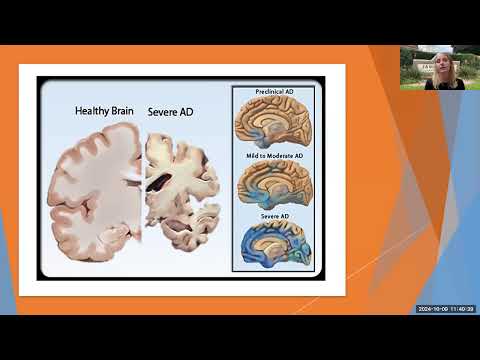 Coping with Sundowning & Sleep Issues as a Dementia CaregiverThis video directly addresses the link between sundowning (a common trigger for nighttime restlessness) and insomnia, offering practical caregiver strategies.
 Managing Sleep & Sundowning in Dementia CareProvides a step-by-step approach to managing sleep problems specifically in dementia, including environmental and routine changes that reduce risk factors.
 Sleep and DementiaExplains the science behind why sleep changes in dementia and what caregivers can do to support better sleep, reinforcing the risk factors discussed here.
 What Are The Latest Theories On Sundowning Mechanisms? - Dementia Help HubDelves into the latest research on why sundowning happens, which is a key precipitating factor for insomnia in dementia.

Practical tools
4
Sleep Diary Template
A log to track bedtime, wake time, night awakenings, naps, caffeine, alcohol, and medications. Use for one week before a doctor visit to show sleep patterns.
White Noise Machine or Fan
Produces steady sound to mask sudden noises; place away from bed at low volume. Useful for dementia patients sensitive to environmental sounds.
Blackout Curtains
Block outside light for sleep environment. Also use in living area late afternoon to reduce sundowning triggers; pair with a hallway nightlight to prevent falls.
Medication Review Card
Lists all medications plus question: 'Could any cause or worsen insomnia?' Bring to every doctor visit. Ask about
Different situations
For someone with Alzheimer's disease or other dementia
Sleep problems are very common, up to 45% of people with dementia experience them. The brain's internal clock (circadian rhythm) is often damaged, leading to day/night confusion and more frequent awakenings. Focus on a very consistent daily routine, especially wake-up time and meal times. Use bright light therapy in the morning (sit near a sunny window or use a light box for 30 minutes). Be extra vigilant about sundowning: keep the home well-lit in the evening, avoid overstimulation, and consider a short walk after dinner. Discuss any new sleep medications with the doctor, as some can worsen confusion or increase fall risk.
For someone with Lewy body dementia or Parkinson's disease
These conditions often come with REM sleep behavior disorder (acting out dreams, thrashing, yelling) and restless legs syndrome. These are not just 'bad sleep', they need specific medical evaluation and treatment. Never try to restrain someone during an episode. Instead, make the bedroom safe: remove sharp objects, pad the bed rails, and place a mattress on the floor if needed. Discuss with a neurologist who specializes in movement disorders.
For a spouse caregiver vs. an adult child caregiver
Spouse caregivers often share a bed and may be woken by their partner's movements, snoring, or restlessness. Consider separate beds or a 'sleep divorce', it's not a failure, it's a practical solution. Adult child caregivers may feel guilty about setting boundaries. Remember: your sleep is essential for your own health and ability to care. It's okay to use a baby monitor or check-in system rather than sleeping in the same room.
For someone living in a facility (nursing home or assisted living)
Facility staff may not be aware of your loved one's sleep history or preferences. Provide a written 'sleep profile' that includes their usual bedtime, any sleep aids they use, and what helps them settle (e.g., a specific blanket, soft music, a nightlight). Ask the staff to limit nighttime checks that disturb sleep, and to keep the room dark and quiet. If your loved one is on sleep medications, ask for a regular review of whether they are still needed, as long-term use can increase fall risk and confusion.
For someone with chronic pain or a medical condition like heart failure or COPD
Pain and discomfort are powerful sleep disruptors. Work with the doctor to optimize pain management, especially at night. For heart failure, sleeping with the head elevated (using extra pillows or a wedge) can reduce breathlessness. For COPD, ensure the bedroom is well-ventilated and consider using a humidifier. Discuss any breathing difficulties at night with the doctor, they may need a sleep study to check for sleep apnea.
For the doctor
5
- If your loved one snores loudly, gasps for air, or has morning headaches, ask about a sleep study for sleep apnea. Untreated sleep apnea can worsen dementia and increase fall risk.
- If insomnia lasts more than 30 days despite good sleep habits, ask for a thorough evaluation to check for underlying medical, neurological, or psychiatric conditions.
- If your loved one is taking any sleep medications (prescription or over-the-counter), ask the doctor or pharmacist whether they are still needed, if the dose is appropriate, and if there are safer alternatives. Long-term use of some sleep aids has been linked to increased dementia risk.
- If your loved one has restless legs syndrome or acts out dreams (kicking, thrashing, yelling), ask a neurologist about specific treatments, as these conditions often need different approaches than general insomnia.
- If your loved one has dementia and you notice sudden worsening of sleep or confusion, ask about a urinary tract infection (UTI), which can cause dramatic sleep disruption and is easily treatable.