Step by step
What not to do
- Don't force long video calls when the person becomes agitated; keep it short, let them walk away, and avoid making future calls threatening.
- Don't assume they understand why they are isolated; use simple reassuring language like 'We are staying safe today' instead of 'because of the virus'.
- Don't stop physical activity, ensure staff help them walk to the bathroom or do seated exercises to prevent muscle loss and cognitive decline.
- Don't dismiss caregiver guilt or exhaustion as weakness; name it and give yourself permission to take a break.
- Don't rely on phone calls alone if they have hearing loss, use video calls with captions, write key words on a whiteboard, and speak clearly not loudly.
Key points
- Social isolation can speed up cognitive and physical decline in dementia, one-third to one-half of people show significant negative changes.
- People with dementia have a higher risk of severe COVID-19 and death, so protection is vital, but balance it with connection.
- Delirium is a medical emergency, sudden confusion, agitation, or sleepiness can signal infection or hypoxia.
- Simple, consistent routines (daily calls, window visits, sensory kits) can reduce anxiety and maintain function.
- Caregivers must care for themselves too, burnout and guilt are real, and support groups help.
- Always consult a doctor before making medication or medical decisions, this guide is for support, not clinical advice.
Videos
 Seniors and Isolation (Depression and Loneliness Tips)This video offers practical tips for recognizing and addressing loneliness in seniors, which is especially relevant for dementia caregivers during COVID-19.
 QUARANTINE? Nursing Home Shutdown? How to SUPPORT People w DEMENTIA Free Ideas How to VISIT on PhoneThis video provides free, creative ideas for staying connected with a person with dementia when in-person visits are not possible, including phone visit techniques.
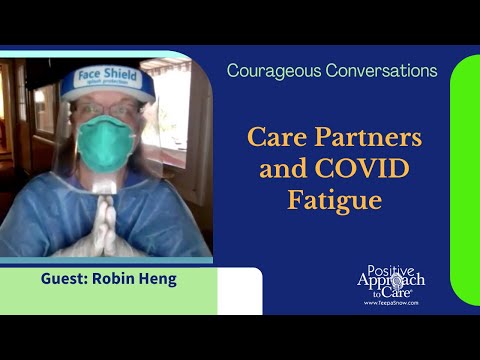 Courageous Conversations: Care Partners and COVID FatigueThis video addresses caregiver burnout and fatigue during the pandemic, offering emotional support and conversation strategies for care partners.
 Dementia Care Partner Talkshow Podcast Ep.53: What Supports are Available for You and Your PLwDThis podcast episode explores available support systems for both caregivers and people living with dementia, including during isolation.
2 more videos
 Caregiver Health: Grief, Stress and How to Cope | Brain Talks | Being Patient Alzheimer'sThis talk focuses on caregiver grief and stress, which are heightened during isolation, and offers coping strategies.
 Dementia Care Partner Talk Show Podcast: Ep. 76 - COVID Care in CommunitiesThis episode discusses how to provide care for people with dementia in community settings during COVID-19, including facility and home care tips.
Background
Why Isolation Is Especially Dangerous for Dementia
People with dementia were already at higher risk for severe COVID-19 outcomes. Studies show that older adults with dementia have a 60% higher risk of COVID-19 infection and a significantly higher risk of hospitalization and death compared to those without dementia (source passages 1, 2, 3). This is not just because of age, dementia itself is an independent risk factor for severe illness (source 4). The pandemic forced many care facilities and families into strict isolation to protect residents, but this created a new crisis: the harm of being alone.
When a person with dementia is isolated, cut off from family visits, communal dining, and normal routines, their cognitive and physical abilities can drop dramatically. Research shows that one-third to one-half of people with dementia experience significant negative changes in function during prolonged social isolation (source 21). This is partly due to 'disuse atrophy', the brain and body losing skills they no longer practice, and partly due to depression, anxiety, and loneliness that isolation triggers (source 21). The very measures meant to protect them can speed up the dementia process.
The Hidden Toll: Loneliness, Depression, and Physical Decline
Loneliness and social isolation are not the same thing, but both are harmful. Social isolation, being physically separated from others, is linked to a 50% increased risk of dementia, a 29% increased risk of heart disease, and a 32% increased risk of stroke (source 18). For someone already living with dementia, isolation can worsen existing symptoms like confusion, agitation, and memory loss. It also increases the risk of falls, depression, and even suicide (source 18, 25).
In care facilities, the lockdown often meant no communal dining, no group activities, and no physical contact with loved ones. One expert noted that even sitting six feet apart with separate tables was not allowed, people could not even see one another (source 14). This kind of separation, especially when a person cannot understand why it is happening, can lead to profound grief, anxiety, and a sense of abandonment. The person may withdraw further, stop eating, or become more confused.
Delirium: A Serious Risk During COVID-19
Delirium, a sudden, severe confusion, is another major risk for people with dementia who get COVID-19. Studies found that delirium was present on hospital admission in 28% of adults 65 and older with COVID-19, and among ICU patients, rates reached 65–80% (source 5, 10). Delirium in COVID-19 can be a warning sign of hypoxia or organ failure, and it triples the risk of death (source 12). For a person with dementia, delirium can look like a sudden worsening of their usual confusion, but it is a medical emergency. Isolation can mask early signs of delirium because no one is there to notice the change.
Practical tools
6
Hello and Goodbye Script
Start each interaction with your name and relationship, and end with a clear goodbye naming when you'll return, reducing confusion and anxiety.
Sensory Connection Kit
A small bag with one item per sense:
use one per call to spark memory and calm.
Daily Routine Poster
Large laminated schedule with pictures for breakfast, your call, lunch, walk, and music time, placed at eye level for a sense of control.
Caregiver Check-In Log
Notebook or app recording daily mood, appetite, sleep, new confusion, and activities; share trends with the doctor to detect depression or delirium early.
Music and Movement Break
Set a 5-minute timer, play a song from their youth, invite tapping, clapping, swaying, or slow-dancing to lift mood and circulation.
When to Call the Doctor Red Flags Card
Wallet-sized list of urgent symptoms (sudden confusion, new agitation, refusing food or fluids, falling, extreme sleepiness) plus doctor’s number for quick action.
Different situations
Late-stage dementia (unable to speak, bedbound)
Focus on sensory connection: gentle touch, familiar music, and your calm voice. Use the 'Sensory Connection Kit' with soft textures and scents. Keep visits very short (5 minutes). Do not expect a response, your presence is enough. For facility staff: use hand-over-hand guidance during care (e.g., place your hand over theirs to help them hold a cup).
Lewy body dementia (hallucinations, movement issues)
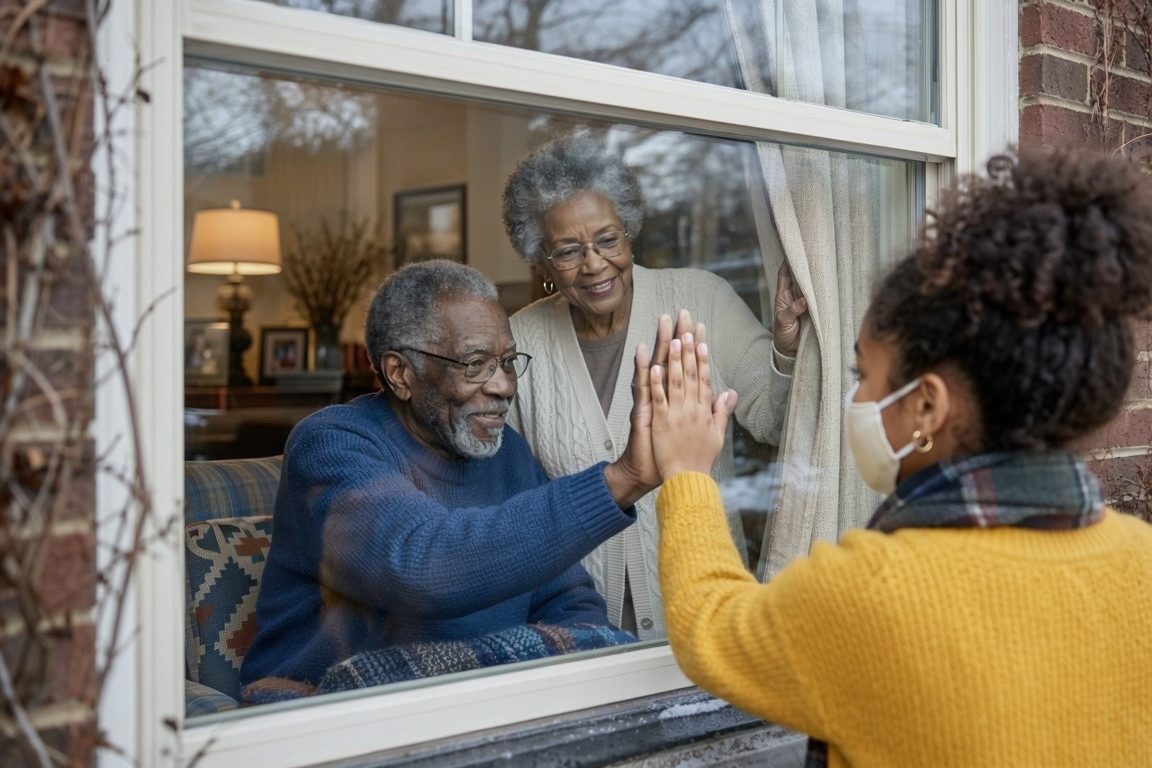
Isolation can worsen hallucinations and paranoia. Keep the environment calm: dim lights, no loud TV, and a consistent routine. During calls, do not argue about what they see, say 'I see you are worried. Let's sit together and breathe.' Use the 'Window Visit' to reduce overstimulation. Monitor for sudden confusion (delirium) and contact the doctor immediately.
Adult child caregiver vs. spouse caregiver
Adult children may feel guilt about not being there. Set a boundary: 'I call every day at 10am. That is my time with Mom.' Spouses may feel lonely and overwhelmed. Join a caregiver support group (online) to share feelings. Both roles need self-care: take 15 minutes a day for yourself, even if it is just a cup of tea.
Person lives in a care facility
Build a relationship with one staff member. Ask them to send you a daily text or photo: 'She ate breakfast today' or 'He smiled when I played his song.' This reduces your anxiety. For visits, use the 'Window Visit' or a tablet with a stand. Send a 'care package' with labeled items. Advocate for outdoor visits if weather permits.
Person lives at home with a caregiver
Create a 'safe zone' near a window. Use the 'Daily Routine Poster' to structure the day. If you need a break, hire a trusted home care aide (even for 2 hours) or ask a neighbor to sit with them while you walk around the block. Do not isolate yourself, your health matters too.
Common questions
1
Does mild COVID-19 increase risk of depression or anxiety?
Yes, mild COVID-19 can increase the risk of depression and anxiety in people with dementia due to the stress of illness and forced isolation. Keep a close watch for sudden mood changes, and try to offer gentle reassurance through daily phone calls or short window visits to maintain connection.
For the doctor
5
- Ask the doctor: 'What are the specific signs of delirium I should watch for in my loved one with dementia? How is it different from their usual confusion?'
- Ask the doctor: 'Are there any medications that could help with anxiety or depression caused by isolation? What are the risks and benefits?'
- Ask the doctor: 'Given my loved one's age and dementia, what is their risk of severe COVID-19? Should they get the latest vaccine or booster?'
- Ask the doctor: 'If my loved one gets COVID-19, what symptoms should prompt me to go to the hospital? What is their care plan?'
- Ask the doctor: 'How can I safely increase physical activity for my loved one during isolation? Are there any exercises they should avoid?'