
Step by step
What not to do
- Don't accept 'she's just getting older' as an explanation for a new symptom. This can mask treatable conditions like infections, pain, or medication side effects.Instead, ask: 'What else could cause this symptom? Let's rule out other causes first.'
- Don't assume that a doctor's recommendation is always the best just because they have authority. Doctors can be influenced by therapeutic optimism, the fear of not doing something, or by ageist assumptions. Always ask for the 'why' behind the recommendation.
- Don't avoid asking for a second opinion because you fear offending the doctor. A good clinician welcomes collaboration. If the doctor is offended, that is a red flag about their approach to care.
- Don't let the doctor rush you. In the ER or a busy clinic, you may feel pressured to decide quickly. Say: 'I need time to think about this. Can we talk again tomorrow?' Most decisions are not emergencies.
- Don't use ageist language yourself, like calling your loved one 'senile' or 'a burden.' This reinforces negative stereotypes and can influence how the doctor perceives them. Use respectful, specific language about their abilities and needs.
- Don't assume that a person with dementia cannot have preferences. Even in later stages, they may express likes and dislikes through behavior. Observe and report these to the doctor as valid data.
Key points
- Ageism in healthcare is real and can lead to both over-treatment and under-treatment of people with dementia.
- Your job as a caregiver is to be a curious, persistent advocate who asks 'why' and connects every recommendation to your loved one's values.
- Use concrete tools like a Values History Card and the 'Ask Me 3' checklist to keep the focus on the person, not their age.
- Watch for red-flag phrases like 'at her age' or 'just dementia' and gently challenge them with specific questions.
- Seek second opinions from geriatricians or dementia specialists when you feel bias is at play.
- Palliative care is not giving up, it is adding a layer of support that can improve quality of life at any stage.
Videos
 Conscious Caregiving with L & L - Ageism and OutcomesThis video directly addresses how ageist attitudes in healthcare lead to worse outcomes for older adults, including those with dementia. It offers practical advocacy strategies for caregivers.
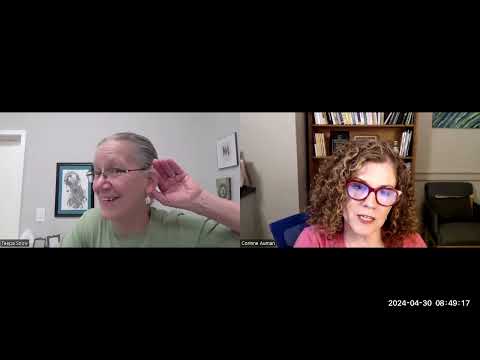 Time with Teepa - Age bias to age sensitive healthcare, is it possible?Teepa Snow, a leading dementia care expert, discusses how to transform age bias into age-sensitive care. She provides specific communication techniques for caregivers to use with healthcare providers.
 Caring For Aging Parents: Practical Tips & AdvocacyThis video offers real-world advocacy tips for family caregivers navigating medical systems, including how to spot and address ageist recommendations.
 Is It Right to Put a Parent in a Care Home Against Their Wishes? | Caregiving Expert Tips & AdviceThis video explores the emotional and ethical challenges of care decisions, helping caregivers distinguish between ageist assumptions and genuine safety concerns.
Background
What Ageism Looks Like in Medical Decisions for Dementia
Ageism in healthcare often shows up not as malice, but as a quiet assumption that an older person with dementia has less to gain from treatment or less capacity to benefit from care. In the emergency room, for example, a clinician might assume a patient's confusion is 'just dementia' and miss a treatable infection or medication side effect. One ER doctor noted that ageism can lead to two things: either not offering aggressive treatments because the patient is 'too old,' or not taking symptoms seriously because they are attributed to aging. This bias is reinforced by the fact that most medical training requires pediatric rotations but not geriatric rotations, meaning many doctors have little formal education in the unique needs of older adults, especially those with dementia.
Why Caregivers Must Be Vigilant Advocates
As a family caregiver, you are the person who knows your loved one's history, values, and personality best. When a doctor makes a recommendation, whether it's to start a new medication, avoid a procedure, or pursue hospice, you are the one who can ask: 'Is this based on my loved one's specific situation, or on a general assumption about older people with dementia?' Caregivers often feel intimidated in medical settings, but research shows that caregivers who are involved in decision-making report better outcomes and less regret. Your role is not to be confrontational, but to be a curious, persistent partner who ensures the patient's voice is heard, even when they cannot speak for themselves.
The Hidden Cost of Ageist Assumptions on Quality of Life
When ageism goes unchecked, it can lead to decisions that shorten or diminish the patient's life without their consent. For example, a doctor might assume a person with dementia would not want a hip replacement because 'they won't remember it,' ignoring that the patient valued walking independently. Or a clinician might push for aggressive treatments that cause suffering, assuming the patient has 'nothing to lose.' The key is to distinguish between procedural directives (what procedures to do or avoid) and values directives (what the patient values in life). A values directive, like 'I want to be able to recognize my family' or 'I don't want to be in pain', should guide every decision, regardless of age or cognitive status.
Practical tools
6
The Values History Card
Create a 3x5 index card with your loved one's name, diagnosis, and three core values (e.g., 'I want to be pain-free,' 'I want to stay at home,' 'I want to recognize my family'). Laminate it and hand it to every new doctor at the start of the visit. This is a concrete way to shift the conversation from age to values.
The 'Ask Me 3' Checklist
Before every appointment, write down answers to these three questions:
If the doctor cannot answer the third question in a way that connects to their values, you may need to probe further.
The 'What Would They Say?' Script
When a doctor recommends a treatment, say: 'If my loved one could speak for themselves right now, I think they would say [insert value]. Does this recommendation honor that?' This script is non-confrontational and keeps the focus on the patient's voice.
The Second Opinion Request Letter
Write a brief letter to your primary care doctor saying: 'We are considering [treatment] for [loved one's name]. We would like a second opinion from a geriatrician to ensure this aligns with their values and stage of dementia. Can you provide a referral?' This formalizes the request and shows you are thoughtful, not difficult.
The 'Ageism Red Flag' List
Print a small card with common ageist phrases to watch for:
When you hear these, gently ask: 'Can you tell me more about why you think that applies here?'
The Caregiver Advocacy Journal
Keep a notebook with date, doctor, recommendation, and your loved one's response (e.g., 'more confused after new med,' 'less pain after PT'). Bring this to every visit. It gives you data to counter ageist assumptions with facts.
Different situations
Lewy body dementia (LBD) vs. Alzheimer's
People with LBD are highly sensitive to antipsychotic medications, which can cause severe side effects. Ageist bias might lead a doctor to prescribe these for agitation without considering the risk. You must specifically ask: 'Is this medication safe for someone with Lewy body dementia? What are the alternatives?' Also, LBD patients often have fluctuating cognition, so a doctor might dismiss their symptoms as 'just dementia' when they are actually having a medical crisis.
Late-stage dementia
In late stages, the patient may not be able to express preferences. Ageism can lead to either over-treatment (aggressive interventions that cause suffering) or under-treatment (withholding pain relief). Use the values history you created earlier. Ask: 'Based on what they said when they could speak, would they want this?' Also, consider hospice earlier: Medicare covers hospice when a doctor estimates six months or less, but many families wait too long because of ageist assumptions that 'nothing more can be done.'
Adult child caregiver vs. spouse caregiver
Adult children may be more likely to be dismissed by doctors as 'overprotective' or 'not understanding the medical reality.' Spouses may be seen as 'burdened' and their concerns minimized. If you are an adult child, bring a spouse or friend to appointments to reinforce your credibility. If you are a spouse, frame your concerns as: 'I live with them every day, and I see changes that worry me.' This positions you as an expert observer.
In a facility (nursing home or assisted living)
Institutional settings can amplify ageism because staff may have high turnover and little dementia training. You must be more vigilant. Ask the facility's medical director: 'How do you ensure that treatment decisions are based on the resident's values, not their age or diagnosis?' Request a care plan meeting every quarter. Use the 'Values History Card' as a living document that follows them.
Medicaid or limited resources
Ageist bias can be compounded by financial assumptions. A doctor might assume a patient on Medicaid cannot afford a treatment or that 'it's not worth it' for someone with limited resources. You can say: 'Please do not make assumptions about what we can afford. Let's discuss all options, and we will figure out the financial piece separately.' Also, ask about patient assistance programs or sliding-scale clinics.
For the doctor
5
- Ask your doctor: 'How do you personally guard against ageism in your practice? What training have you had in geriatric or dementia care?'
- Discuss: 'If my loved one were 50 years old with the same medical condition, would your recommendation be the same? If not, why?'
- Ask: 'What is the evidence for this treatment specifically in people with dementia at this stage? Are there studies that include people like my loved one?'
- Discuss: 'Are there any medications or procedures that are known to be overused or underused in older adults with dementia? How does this recommendation fit?'
- Ask: 'Can we involve a palliative care specialist to help us weigh the benefits and burdens of this treatment?'