
Step by step
What not to do
- Do not assume you must handle everything alone, a navigator is a partner to prevent caregiver burnout.
- Do not wait for a crisis to seek a navigator; start right after diagnosis to plan ahead.
- Do not expect the navigator to replace a doctor, they coordinate care but do not provide medical treatment.
- Do not settle for a navigator who is a poor fit; find someone who communicates well and respects your values.
- Do not forget to ask about costs upfront, as coverage varies by Medicare/private insurance.
- Do not hide your own struggles from the navigator, honest communication about your health, finances, and emotions enables effective support.
Key points
- A dementia care navigator is a trained guide who helps you coordinate medical care, community resources, and emotional support after a dementia diagnosis.
- They are not a replacement for your doctor but a partner who helps you implement the doctor's recommendations.
- Getting a navigator early, right after diagnosis, is best because it allows for proactive planning instead of crisis management.
- Navigators tailor their support to your loved one's stage of dementia and your specific needs as a caregiver.
- You can find a navigator through your doctor, the Alzheimer's Association, or local aging services.
- Using a navigator reduces caregiver stress, improves your loved one's quality of care, and helps you feel more in control.
Videos
 Revolutionizing Dementia CareThis video showcases innovative care models that include care navigation, giving you a real-world look at how these programs work and the benefits they provide.
 The 7 Stages Of Alzheimer's: Stage 5Understanding the stages helps you know when to lean on a navigator most. This video explains stage 5, a critical time when safety becomes the top priority and navigation support is essential.
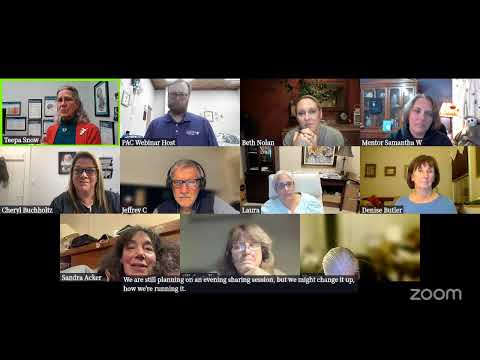 Problem Solving with PAC Team - Come Join us with your questions.This interactive session models how a care team, including a navigator-like role, can help you solve everyday challenges. It shows the value of having a team to turn to.
 Teepa Snow: Caring for Someone Who Has DementiaTeepa Snow explains the importance of having a guide or 'navigator' in the care journey. Her positive approach to care emphasizes that you don't have to do this alone.
2 more videos
 How To Decrease Your Stress As A Dementia Caregiver Through Dementia CoachingThis video explains the concept of a dementia coach, which is very similar to a navigator. It highlights how this role focuses on supporting you, the caregiver, to reduce your stress and build your skills.
 What Is Caregiver Burden During Dementia Progression? - TestUnderstanding caregiver burden helps you see why a navigator is so important. This video explains the toll caregiving takes and why having a guide can lighten that load.
Background
What Is a Dementia Care Navigator?
A dementia care navigator is a trained professional who partners with you and your loved one to help you navigate the complex health care system and treatment landscape. They are not necessarily a doctor or nurse, though some are, but their main job is to be your guide. They serve as a bridge between all the required elements of what it means to get comprehensive, high-quality care. This can include helping you understand the diagnosis, finding the right specialists, coordinating appointments, and connecting you to community resources like support groups or adult day programs.
Why Are They So Important for Family Caregivers?
Receiving a dementia diagnosis is one of the most daunting experiences anyone can have. As a family caregiver, you are suddenly thrust into a world of medical jargon, confusing insurance rules, and a maze of different providers. A navigator helps you become the 'captain of the ship' by giving you the knowledge and support you need to steer through these rough waters. They focus on you, the caregiver, because your well-being is crucial to your loved one's care. By providing practical advice, emotional support, and strategies to manage challenging behaviors, a navigator can transform your journey from one of overwhelm and chaos into one of empowerment and connection.
Who Provides Navigation Services?
Navigators can come from different backgrounds. In some programs, like the one at UCLA led by geriatrician Dr. David Rubin, nurse practitioners serve as dementia care specialists and provide navigation. In other models, like at UCSF, an unlicensed 'care team navigator' works alongside a clinical team. The key is that they are specialized in dementia and dementia caregiving. They know and understand the process of dementia and can provide practical solutions for your practical problems. Many organizations, including the Alzheimer's Association, are working to create consistent standards for this role so that every family can benefit from a navigator.
Practical tools
5
Master Care Binder
Physical or digital binder with sections for:
Bring to every appointment.
One-Question Rule for Appointments
Write down exactly one key question before each doctor visit (e.g., 'Is this medication still helping my mom's memory?'). Share with navigator beforehand to frame it clearly.
Navigator Communication Log
Notebook or phone note recording date, person spoken with, and agreed action after every call to prevent miscommunication and track progress.
Community Resource Map
One-page list of local resources (e.g., adult day centers, support groups, respite care, transportation, legal aid), kept on fridge or phone for quick access.
'Caregiver Check-In' Script
Use the phrase: 'I'm feeling overwhelmed. Can you help me break this down into one small step I can take today?' The navigator is trained to respond and refocus you.
Different situations
Early-stage (Mild Cognitive Impairment or Stage 4)
In early stages, the navigator focuses on education and future planning. They help you and your loved one discuss advance directives, legal power of attorney, and financial planning while your loved one can still participate in decisions. They also connect you to early-stage support groups and cognitive stimulation programs.
Middle-stage (Moderate Decline, Stage 5-6)
At this stage, safety becomes the top priority. The navigator will help you conduct a home safety assessment, find in-home care or adult day programs, and manage challenging behaviors like wandering or aggression. They also provide more intensive emotional support for you as the caregiver.
Late-stage (Severe Decline, Stage 7)
In late stages, the navigator shifts focus to palliative and hospice care coordination. They help you understand comfort measures, manage pain, and support you through end-of-life decisions. They also connect you with bereavement resources for after your loved one passes.
Long-distance caregiver
If you live far away, the navigator becomes your 'eyes and ears' on the ground. They can attend appointments with your loved one, check in on their safety, and coordinate with local providers. They also help you find a trusted local contact who can visit regularly and report back to you.
Lewy body dementia or Frontotemporal dementia
For these less common types, the navigator needs specialized knowledge. Lewy body dementia often involves hallucinations and movement issues, so the navigator will coordinate with a neurologist and a movement disorder specialist. For frontotemporal dementia, which affects behavior and language early, the navigator will focus on behavioral strategies and speech therapy referrals.
For the doctor
5
- Ask your doctor: 'Is there a dementia care navigator program available through this clinic or hospital?'
- Ask your doctor: 'How do I get a referral for a navigator, and will my Medicare plan cover the cost?'
- Ask your doctor: 'Can you recommend a navigator who has experience with my loved one's specific type of dementia?'
- Ask your doctor: 'What medical information should I share with the navigator to ensure they can help us best?'
- Ask your doctor: 'How often should I check in with the navigator, and when should I call you instead?'