
Step by step
What not to do
- Do not assume all sleep problems are the same. Using a strategy meant for Alzheimer's (like bright light therapy) on someone with Lewy body dementia might worsen hallucinations. Always match the approach to the subtype.
- Do not use over-the-counter sleep aids like diphenhydramine (Benadryl) or Tylenol PM. These anticholinergic drugs can worsen confusion, increase fall risk, and are not recommended for older adults with dementia.Instead, try non-drug approaches first.
- Do not force a person with REM sleep behavior disorder to stay still during dreams. They cannot control it, and restraining them can cause injury. Focus on making the environment safe instead.
- Do not ignore sleep apnea in vascular dementia. It is treatable and can improve cognition. If you hear gasping or snoring, push for a sleep study, don't assume it's just 'normal aging.'
- Do not wake a person with dementia from a nap unless it's very long (over 2 hours) or late in the day. Short naps can be restorative. Forcing them awake can lead to confusion and agitation.
- Do not argue with sundowning. If your loved one insists it's morning at 2 AM, do not correct them.Instead, say something like, 'It's dark outside, so let's rest a bit more. I'll stay with you.' Redirection works better than logic.
Key points
- Sleep problems vary by dementia subtype: Alzheimer's causes fragmented sleep and sundowning; Lewy body causes REM sleep behavior disorder; vascular dementia often involves sleep apnea.
- Identify the subtype to choose the right strategies, what works for Alzheimer's may not work for Lewy body.
- Non-drug approaches (light therapy, routine, safety measures) are the first line of treatment; avoid over-the-counter sleep aids.
- Safety is paramount: for REM sleep behavior disorder, remove hazards; for wandering, use locks and monitors.
- Keep a sleep diary to share with the doctor, it helps pinpoint the pattern and guide treatment.
- Caregiver sleep is critical: use respite, separate beds if needed, and ask for help to avoid burnout.
Videos
 Sleep and DementiaProvides an overview of how dementia affects sleep, useful for understanding the general mechanisms before diving into subtypes.
 Sleep Issues and DementiaCovers common sleep disturbances and practical tips, helpful for caregivers of any dementia type.
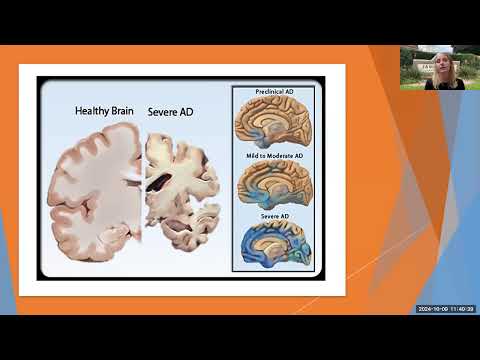 Coping with Sundowning & Sleep Issues as a Dementia CaregiverFocuses on sundowning, which is most common in Alzheimer's, but offers strategies applicable to other types.
 Managing Sleep & Sundowning in Dementia CareOffers a comprehensive approach to managing sleep and sundowning, with techniques that can be tailored by subtype.
2 more videos
 What Can A Dementia Patient Take To Help Them Sleep?Discusses medication options and risks, important for discussing with a clinician for any dementia type.
 The 5 Types of Dementia You NEED to Know!Explains the different dementia types and their symptoms, including sleep disturbances, helping you identify patterns.
Background
Why Dementia Subtype Matters for Sleep
The type of dementia your loved one has directly shapes the kind of sleep problems they experience. This is because different dementias damage different parts of the brain that control the sleep-wake cycle, muscle tone during sleep, and the ability to stay asleep. For example, Alzheimer's disease often disrupts the internal body clock, leading to daytime drowsiness and nighttime wakefulness. In contrast, Lewy body dementia frequently involves REM sleep behavior disorder, where a person physically acts out their dreams, sometimes with violent movements. Knowing the subtype helps you prepare for the specific challenges ahead rather than guessing.
Alzheimer's Disease: Fragmented Sleep and Sundowning
Alzheimer's is the most common dementia, and sleep problems affect about 45% of people with it, sometimes even before memory issues appear. The hallmark pattern is a broken sleep-wake cycle: they may nap frequently during the day, wake up many times at night, and experience 'sundowning' in the late afternoon or evening. Sundowning involves increased confusion, agitation, and restlessness as the sun goes down. This is linked to damage in the brain's suprachiasmatic nucleus, which regulates the circadian rhythm. As the disease progresses, total sleep time often decreases, and nighttime wandering becomes common.
Lewy Body Dementia (LBD) and Parkinson's Disease Dementia: REM Sleep Behavior Disorder
Lewy body dementia and Parkinson's disease dementia share a very distinctive sleep problem: REM sleep behavior disorder (RBD). In RBD, the normal paralysis that occurs during dreaming is lost, so the person physically acts out their dreams. They might kick, punch, shout, or even fall out of bed. This can happen years before other dementia symptoms appear. Additionally, people with LBD often have excessive daytime sleepiness and may experience visual hallucinations that disrupt sleep. The sleep disturbances in LBD are so characteristic that they are considered a key diagnostic clue.
Frontotemporal Dementia (FTD): Restlessness and Vocalizations
Frontotemporal dementia affects the frontal and temporal lobes, which control behavior and language. Sleep problems in FTD are less studied but often involve restlessness, pacing, and loud vocalizations at night. Unlike Alzheimer's, sundowning is less common, but the person may have difficulty settling down due to agitation or compulsive behaviors. They might also have a reduced need for sleep or an irregular sleep-wake pattern. Caregivers often report that the person is 'always on the go' even at night.
Vascular Dementia: Sleep Apnea and Fragmented Sleep
Vascular dementia, caused by reduced blood flow to the brain, frequently coexists with sleep apnea. Sleep apnea causes repeated pauses in breathing during sleep, leading to loud snoring, gasping, and frequent awakenings. This further starves the brain of oxygen and can worsen cognitive symptoms. People with vascular dementia also tend to have fragmented sleep with many nighttime awakenings, often due to underlying health issues like high blood pressure or heart disease. Daytime sleepiness is common.
Progressive Supranuclear Palsy (PSP) and Multiple System Atrophy (MSA): Unique Challenges
PSP and MSA are rare but have distinct sleep patterns. In PSP, sleep is often disrupted by frequent nighttime awakenings, and the person may have difficulty turning over in bed due to stiffness. REM sleep behavior disorder can occur but is less common than in LBD. In MSA, sleep problems are severe and include RBD, sleep apnea, and stridor (a high-pitched breathing sound at night). These conditions require careful medical management because breathing issues can be life-threatening.
Practical tools
6
Sleep Diary Template
Create a simple chart with columns for: Date, Bedtime, Time to fall asleep, Night wakings (how many and what they did), Morning wake time, Daytime naps (when and how long), and any medications. Use this to spot patterns and share with the doctor.
Safety Checklist for REM Sleep Behavior Disorder
For Lewy body or Parkinson's dementia:
Sundowning Calming Kit
Prepare a basket with items that soothe during evening agitation:
When sundowning starts, offer the kit and say, 'Let's look at these photos together.'
Light Therapy Box
This helps reset the circadian rhythm and reduce daytime sleepiness.
Bedtime Routine Script
Say the same phrases each night to create predictability: 'It's time to wind down. Let's brush your teeth, put on your pajamas, and then I'll read you a short story.' Use a gentle, calm tone. Repeat the same steps in the same order every night.
Fall Prevention Setup for Night Wandering
Different situations
Lewy body dementia or Parkinson's disease dementia
Focus heavily on REM sleep behavior disorder safety. Avoid bright light therapy if it triggers visual hallucinations. Melatonin (under doctor guidance) is often preferred over sedatives. Be prepared for vivid nightmares, comfort without arguing about the dream content.
Frontotemporal dementia
Bedtime routines must be very short and simple due to attention issues. If pacing occurs, create a safe circular path. Avoid verbal redirection if it causes agitation; use physical cues like leading them to a chair. Sleep medications are often less effective; prioritize environmental calm.
Vascular dementia with sleep apnea
CPAP therapy is a priority. Help your loved one get used to the mask by wearing it during the day for short periods. Treat underlying conditions like high blood pressure. Expect more nighttime urination, limit fluids 2 hours before bed and use a bedside commode.
Late-stage dementia (any type)
Sleeping more during the day and night is normal and not a problem. Do not try to keep them awake. Focus on comfort: turn them every 2 hours to prevent bedsores, keep the room quiet, and use gentle touch. Safety concerns shift to preventing falls when they do wake.
Caregiver is an adult child vs. spouse
Adult children may have more flexibility to sleep in a separate room or use respite care. Spouses often share a bed and may be more affected by sleep disruptions. Consider separate beds if movements are violent. Both should prioritize their own sleep, use a night sitter or ask family for help.
For the doctor
6
- Ask your doctor: 'Could my loved one have sleep apnea? Should we do a sleep study?'
- Ask: 'Is it safe to use melatonin for sleep? What dose is appropriate for their dementia type?'
- Ask: 'Are any of their current medications (like donepezil or antidepressants) contributing to insomnia? Can we adjust the timing?'
- Ask: 'For REM sleep behavior disorder, is clonazepam or melatonin an option? What are the risks?'
- Ask: 'Could there be an underlying medical cause like a urinary tract infection or pain that is disrupting sleep?'
- Ask: 'What are the signs that sleep problems need emergency attention, like stridor in MSA or a fall from bed?'