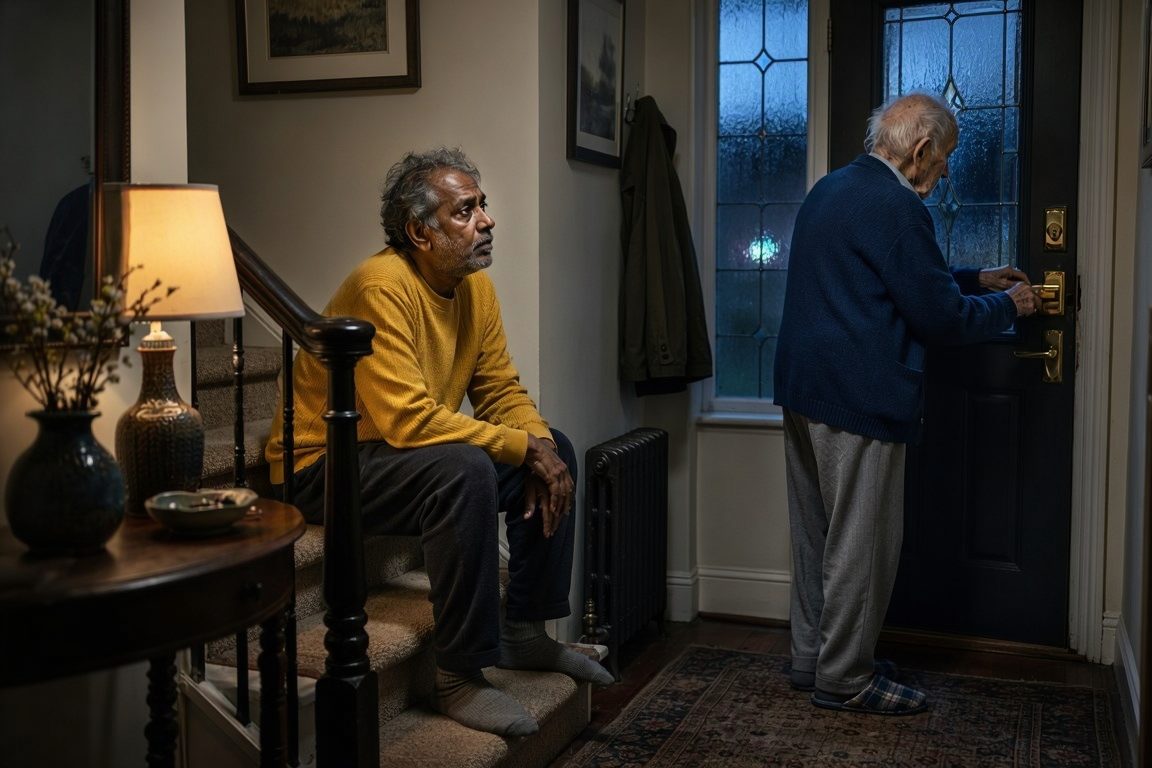
Step by step
What not to do
- Don't wait until a fall, fire, or wandering incident forces the decision. Plan early to avoid trauma and scrambling.
- Don't assume memory care is only for late-stage dementia. Early to moderate stages benefit from social activities and safety; delaying makes transition harder.
- Don't argue with your parent about having dementia. Focus on practical problems (safety, hygiene, nutrition) and frame memory care as a solution.
- Don't decide alone. Involve siblings, a geriatric care manager, or a social worker for perspective and to mediate disagreements.
- Don't ignore your own health. Exhaustion, depression, or neglecting your medical needs harms everyone. Memory care preserves your ability to be present.
- Don't sign a facility contract under pressure without understanding cost escalation for higher care, refundability of community fees, and Medicaid acceptance and bed certification.
Key points
- Safety concerns, wandering, leaving appliances on, getting lost, are the top signs that memory care may be needed.
- A thorough medical evaluation is essential to rule out reversible causes of memory loss and to get an accurate diagnosis.
- Track specific behaviors over two weeks to share with doctors and memory care facilities.
- Have honest, gentle conversations with your parent focused on safety and care, not diagnosis.
- Visit multiple facilities with a checklist and trust your instincts about the environment and staff.
- Caregiver burnout is a valid reason to consider memory care, your health matters too.
Videos
 Signs Parents Need Memory CareThis video gives a clear, compassionate overview of the early signs that a parent may need memory care, including safety concerns and changes in daily habits.
 😱 PARANOIA or Memory Loss. Signs That Could be Early Alzheimer'sParanoia can be a confusing symptom of dementia. This video helps you distinguish between typical memory loss and more serious signs that warrant a medical evaluation.
 Is It Time For Memory Care? 9 Signs That It Is Time To Consider ItA straightforward list of nine concrete signs, like incontinence, hoarding, and missed meals, that signal it's time to explore memory care.
 Choosing the Right CareThis video walks you through the different types of care options (assisted living vs. memory care) and how to match them to your parent's needs.
2 more videos
 How Do I Know if a Parent Needs Memory Care or Assisted LivingA practical guide to the differences between assisted living and memory care, including when each is appropriate.
 Is it Time? 8 Key Warning Signs It Might Be Time for a Different Level of Care.Eight warning signs that your current care setup isn't working, from safety issues to caregiver exhaustion.
Background
Why This Decision Feels So Heavy
Deciding it's time for memory care is one of the most emotional and complex choices a family caregiver faces. You've likely been doing everything you can at home, managing medications, cooking meals, driving to appointments, and trying to keep your parent safe. But as dementia progresses, the care needs can outstrip what one person can provide, even with help from family or home aides. The guilt, fear, and worry about 'giving up' are normal, but memory care isn't abandonment, it's a different level of care that can actually improve your parent's quality of life and your own well-being.
The Core Shift: From 'Help at Home' to 'Safety Around the Clock'
The biggest sign that memory care may be needed is when safety becomes a constant concern. This includes wandering, getting lost even in familiar places, leaving the stove on, forgetting to turn off appliances, or not knowing how to respond to an emergency like a fire or a fall. When a person with dementia lives alone, these risks multiply. Even if you visit daily, you can't be there every minute. Memory care facilities are designed with secure environments, 24/7 supervision, and staff trained to handle these behaviors. The goal is to prevent harm while preserving dignity.
The Hidden Toll on Caregivers
Your own health and stamina matter too. Constant caregiving, especially when your parent is awake at night, wandering, or becoming agitated, can lead to exhaustion, depression, and physical illness. Many caregivers report that their own health declines because they're not sleeping, eating poorly, or ignoring their own medical needs. If you find yourself feeling overwhelmed, resentful, or unable to keep up, that's a sign that the current setup isn't sustainable. Memory care can give you the rest you need to be a better support, not a burned-out shell.
Practical tools
5
Home Safety Checklist
Check
Use weekly; three or more issues signal need to explore memory care.
Behavior Log Template
Two-week log with date, time, specific behavior (wandering, forgetting to eat, incontinence, paranoia, aggression), and notes. Share with doctor and facilities as concrete evidence of care needs.
Medication Review Tool
Conversation Script for Parent
Practice phrases like: 'I love you and I want you to be safe. I'm worried about you leaving the stove on. Let's find a place where people can help.' Focus on safety, not blame. Repeat as needed.
Facility Tour Checklist
Evaluate
Different situations
Lewy body dementia
People with Lewy body dementia often have vivid hallucinations, fluctuations in alertness, and movement problems like stiffness or tremors. Memory care facilities should have staff trained in managing hallucinations without antipsychotic medications (which can be dangerous for this type). Look for facilities that offer calm, structured environments and avoid overstimulation.
Late-stage dementia
In late stages, your parent may be bedbound, unable to eat or drink without assistance, and incontinent. Memory care facilities that offer skilled nursing or hospice services are essential. Ask about their experience with end-of-life care, feeding assistance, and pain management. The focus shifts from safety to comfort and dignity.
Adult child vs. spouse caregiver
Adult children often feel guilt about 'putting a parent' in memory care, but they also have their own families and jobs. Spouse caregivers may feel a deeper sense of duty and may resist memory care longer. If you're a spouse, consider that your own health is at stake, and that your partner may actually benefit from professional care. Adult children should involve siblings in the decision and consider hiring a geriatric care manager to mediate.
Living in a facility already (assisted living)
If your parent is already in assisted living but needs more supervision, many facilities have a separate memory care wing or can arrange a transfer. Ask about the process and whether the new unit has secure doors, specialized activities, and staff trained in dementia care. The move may be less disruptive if it's within the same campus.
Medicaid or limited finances
Memory care is expensive, often $5,000–$8,000 per month, and Medicare typically doesn't cover it. If your parent has limited savings, look for facilities that accept Medicaid or have a 'Medicaid bed' program. You may need to consult an elder law attorney to help with asset planning. Some states offer home- and community-based waivers that can help pay for in-home care as an alternative.
For the doctor
5
- Ask your parent's doctor: 'Could any of my parent's medications be causing or worsening memory loss? Should we review them?'
- Ask: 'What stage of dementia is my parent in, and what level of care do you recommend?'
- Ask: 'Are there any reversible causes of memory loss we should test for, like vitamin deficiency, thyroid issues, or sleep apnea?'
- Ask: 'Is my parent safe to live alone? What specific risks should I watch for?'
- Ask: 'Do you have experience with memory care facilities in our area? Can you recommend any?'