Step by step
What not to do
- Do not schedule screening tests designed for healthy adults without first asking the core question about change in management.
- Do not perform colonoscopies in moderate-to-severe dementia; the preparation and sedation risks (delirium, dehydration, falls) are severe.
- Do not screen for any cancer if the person would not consent to or undergo treatment if cancer were found.
- Do not rely on age or chronological age alone; use functional/cognitive staging and life expectancy estimates.
- Do not assume screening is harmless; every test has real risks (injury, delirium, psychological distress) that escalate with dementia severity.
- Do not bring up 'false positives' in a pep-talk way; they are a tangible source of unnecessary harm (anxiety, extra tests) that should factor into the decision.
Key points
- Routine screenings like colonoscopy and mammogram are designed for healthy adults; the calculus changes with dementia.
- The key question is: 'Will the test change medical management?' If you wouldn’t treat the finding, skip the test.
- Procedures involving sedation, bowel prep, or invasive handling can cause delirium, agitation, and a decline in function.
- Start the conversation with the doctor, they may not bring it up on their own.
- Consider less invasive alternatives like stool-based tests or clinical exams.
- Revisit the decision annually as your loved one’s condition changes.
- Document your decisions and your loved one’s wishes in an advance directive.
- Your role is to protect comfort and dignity, it’s okay to say no to a test.
Videos
 Putting someone with dementia through medical screeningsThis video directly addresses the caregiver question about colonoscopy and mammogram, explaining the guidelines and the thought process behind stopping screenings.
 Dementia & Getting an MRI ScanProvides practical tips for preparing a person with dementia for an MRI, which is relevant to any screening that involves lying still in a machine.
 Ask Teepa Anything! Live on YouTubeTeepa Snow offers expert advice on balancing medical care with quality of life, including when to say no to procedures.
 How To Convince Someone With Dementia To Go To The DoctorTeaches communication strategies to reduce anxiety and resistance when taking a loved one to any medical appointment.
2 more videos
 4 Most Common Types of Dementia in AgingHelps you understand how different dementia types (e.g., Lewy body, vascular) affect risk from anesthesia and stress, which is key for screening decisions.
 Dementia & Getting an MRI ScanAnother perspective on preparing for an MRI, with specific phrases and environmental adjustments to reduce fear.
Background
Why Routine Screenings Become Complicated with Dementia
When your loved one has dementia, routine medical screenings, like colonoscopies, mammograms, or prostate exams, are no longer straightforward. These tests were designed for healthy older adults to catch diseases early, but the calculus changes when a person has a progressive brain condition. The American College of Physicians recommends stopping routine colonoscopy screening at age 75 or for anyone with a life expectancy of less than 10 years. For someone with dementia, life expectancy is often shorter, and the stress of the procedure, including fasting, sedation, and the unfamiliar environment, can cause confusion, agitation, and even a decline in function. The key question shifts from 'Will this catch cancer early?' to 'Will this improve or maintain my loved one’s quality of life?'
The Core Principle: Will the Test Change Medical Management?
Geriatricians often ask a simple but powerful question when considering any test for a person with dementia: 'Will this change what we do?' If a screening finds something, would you pursue aggressive treatment, like surgery, chemotherapy, or radiation? For someone with moderate to advanced dementia, such treatments may be too harsh, cause more suffering, and not extend meaningful life. If you wouldn’t treat the finding, then the screening itself becomes unnecessary and potentially harmful. For example, if a colonoscopy finds a small polyp, but your loved one would not tolerate a colon resection or follow-up procedures, then the screening test only adds risk without benefit. This principle applies to mammograms, prostate exams, and other routine screenings.
The Burden of the Procedure Itself
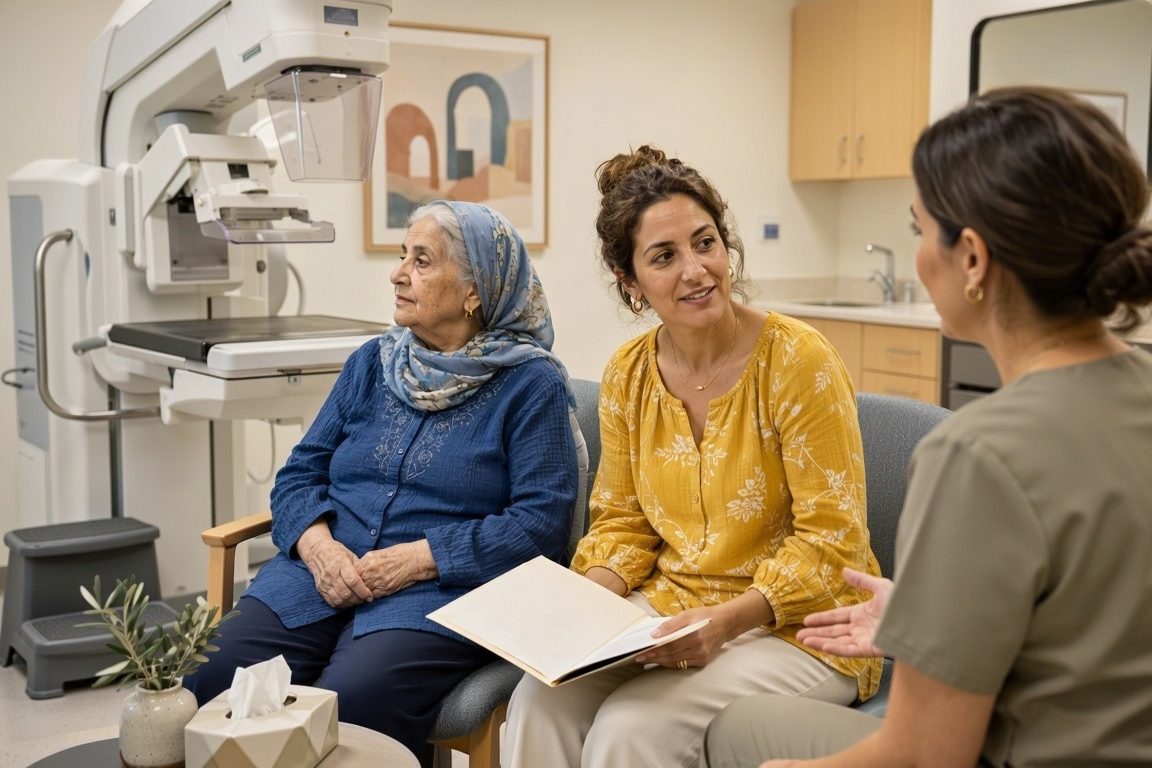
Many routine screenings involve preparation that is especially hard for someone with dementia. A colonoscopy requires a clear-liquid diet and strong laxatives, this can lead to dehydration, falls, and confusion. The procedure often requires sedation, which can cause delirium (a sudden, severe confusion) that may not fully resolve for days or weeks. Mammograms involve compressing the breast, which can be painful and frightening for someone who doesn’t understand what’s happening. Prostate exams are invasive and can be distressing. Even a simple blood draw for a PSA test may cause agitation. The stress of travel to a clinic, waiting in an unfamiliar room, and being handled by strangers can trigger behavioral symptoms that last long after the test is over.
What the Guidelines Say (and Don’t Say)
Medical organizations are clear about when to start screenings but often vague about when to stop. For example, the U.S. Preventive Services Task Force recommends colonoscopy for adults ages 45 to 75, but does not give specific guidance for people with dementia. Similarly, prostate cancer screening guidelines are controversial, some groups recommend starting at age 40, others say no routine screening at all. There is no official age cutoff for stopping mammograms. This means you and your loved one’s doctor must make a personalized decision. The doctor may not bring this up on their own, so it’s important for you to start the conversation. You can say, 'Given Mom’s dementia and her age, would you recommend we skip routine screenings and focus on comfort and quality of life?'
Practical tools
2
FAST Scale
Functional Assessment Staging Tool (FAST). Validated 7-stage scale for dementia severity. Stage 6+ (moderate-to-severe) reliably predicts low benefit and high risk from routine screenings.
ePrognosis
Free online tool (eprognosis.ucsf.edu) to estimate 6-month to 10-year life expectancy from validated indices. Use to compare life expectancy against typical time-to-benefit of each screening test (e.g., colonoscopy ~10 years, mammogram ~7 years).
Different situations
Early-stage dementia (still independent, life expectancy >10 years)
Routine screenings may still be appropriate if your loved one can tolerate them and would agree to treatment if something is found. Focus on shared decision-making, ask them what they want. Use the 'Will It Change Management?' checklist together. For colonoscopy, consider a FIT test first.
Moderate to advanced dementia (needs help with daily tasks, life expectancy <10 years)
Strongly consider stopping all routine screenings. The stress and risk usually outweigh any benefit. Focus on comfort, quality of life, and treating symptoms. If a screening is suggested, ask the doctor: 'Would we really treat what we find?' If the answer is no, skip it.
Lewy body dementia or Parkinson’s disease dementia
These types often involve sensitivity to medications and anesthesia. Sedation for a colonoscopy or even a mild sedative for an MRI can cause severe delirium or a worsening of symptoms. Be extra cautious. Discuss with a neurologist or geriatrician before any procedure that involves sedation.
Spouse caregiver vs. adult child caregiver
Spouses may feel more emotional about 'doing everything' and may struggle with guilt. Adult children may feel pressure from siblings. Both should remember that the person with dementia’s comfort is the priority. Consider having a family meeting with the doctor to make a unified decision.
Loved one lives in a memory care facility
The facility’s staff may have protocols for routine screenings. You have the right to decline. Talk to the facility’s nurse or medical director and say, 'We are choosing comfort care. Please do not schedule routine screenings unless there is a specific symptom that needs evaluation.' Put this in writing in their care plan.
For the doctor
5
- Ask your doctor: 'Given my loved one’s dementia stage and age, what is their estimated life expectancy? This will help me decide if screenings are worthwhile.'
- Ask: 'If a screening finds cancer, what treatments are available, and would my loved one be a candidate for them? Would the treatment be more burdensome than the disease itself?'
- Ask: 'Are there any specific risks from sedation or anesthesia for someone with my loved one’s type of dementia? Should we consult a geriatric anesthesiologist?'
- Ask: 'If we skip routine screenings, what symptoms should I watch for that would warrant a specific test? For example, when should I be concerned about blood in the stool versus just skipping the colonoscopy?'
- Ask: 'Can we document a 'do not screen' order in the medical record so that future providers don’t automatically schedule these tests?'