
Step by step
What not to do
- Don't try to suppress or uncritically believe your thoughts, telling yourself to 'just stop thinking about it' usually backfires.
Key points
- Rumination is a cycle of repetitive negative thinking that worsens anxiety and depression, and it's common in caregiving due to constant losses and uncertainty.
- Your thinking affects how you feel, which affects how you treat your loved one, which affects how they respond, creating a negative spiral you can break.
- You have more control over your thoughts than you realize; you can choose to shift your focus and practice new thinking habits.
- Simple tools like the 'Is my thinking helping?' check-in, gratitude journaling, and the DRIVE technique can interrupt the rumination cycle.
- Guilt is often actually regret, sadness about a situation you couldn't control. Reframing guilt as regret can reduce its power.
- Self-care is not selfish; it's essential for breaking the cycle and being able to care for your loved one effectively.
Videos
 Coping with Caregiver Guilt: Practical Strategies & SupportThis video directly addresses guilt, a common trigger for rumination, and offers practical strategies to reframe your thinking.
 Working Through Caregiver GuiltProvides additional perspective on guilt and how to work through it, which is key to breaking the rumination cycle.
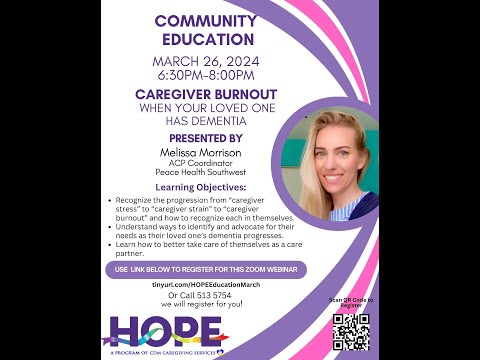 Caregiver Burnout when your Loved One has DementiaBurnout is often fueled by rumination; this video helps you recognize the signs and take steps to prevent it.
 What to do when your loved one with dementia calls you mean namesRumination often follows difficult interactions; this video gives concrete strategies to handle those moments and move on.
2 more videos
 Wandering, Rummaging, & Hoarding, Oh My!Understanding common dementia behaviors can reduce the worry and rumination that come from not knowing what to expect.
 Terminal Agitation: Empowering Caregivers in End-of-Life SupportFor caregivers facing end-of-life, rumination about grief and loss is common; this video offers empowerment and practical support.
Background
What Is Rumination?
Rumination is a pattern of repetitive, negative thinking where you dwell on the same distressing thoughts, problems, or worries without moving toward a solution. It's like your brain gets stuck in a loop, replaying a difficult conversation, a mistake you think you made, or a fear about the future. According to the American Psychiatric Association, rumination is a cycle of negative thinking that can worsen anxiety and depression. It's different from productive problem-solving because it doesn't lead to action or relief, it just keeps you feeling stuck and upset.
Why Does Rumination Happen in Caregiving?
Caregiving for someone with dementia is full of losses, uncertainties, and moments that feel beyond your control. You might find yourself replaying a moment when your loved one got upset, or worrying that you're not doing enough. Research from the University of Liverpool found that dwelling on negative events is a major cause of stress, and that past experiences, like traumatic life events, can lead a person to ruminate and blame themselves. In caregiving, this can be triggered by compounded losses that come too fast to process, like when your loved one can no longer manage finances, be left alone, or drive, all within a short time. The brain's negativity bias and confirmation bias make it worse: your brain naturally looks for evidence that confirms your worst fears, and it easily deflects anything that contradicts them.
How Does Rumination Create a Negative Cycle?
Rumination doesn't just stay in your head, it affects how you feel and act. When you dwell on negative thoughts, you feel more anxious, guilty, or resentful. Those feelings then shape how you treat your loved one with dementia. As one dementia care expert explains, your thinking impacts how you feel, and how you feel impacts how you treat your loved one, which in turn affects how they respond to you. This creates a downward spiral: you feel bad, you react with frustration or withdrawal, your loved one picks up on that mood and may become more agitated or withdrawn, and then you feel even worse. The cycle can also lead to burnout, because you're spending mental energy on thoughts that don't help the situation. The key is to recognize that you have more control over your thoughts than you think, you can choose to change the way you think and break the cycle.
Different situations
Early-stage dementia (patient is aware and can communicate)
In early stages, the person with dementia may also experience rumination, they might dwell on their diagnosis or fear of the future. You can both practice the 'Is my thinking helping?' check-in together. Use the gratitude journal as a shared activity. Validate their feelings without trying to 'fix' them: 'I hear that you're scared. That makes sense. We're in this together.'
Late-stage dementia (patient has limited communication)
Your rumination may focus on grief and anticipatory loss. The DRIVE technique becomes even more important, use distraction through sensory activities like hand massage, listening to music, or looking at photos. Your self-care is critical; you may need to set a strict 'worry time' and stick to it. Consider joining a support group specifically for end-of-life caregiving.
Spouse vs. adult child caregiver
Spouses may ruminate about lost partnership and identity ('I've lost my husband to this disease'). Adult children may ruminate about role reversal and guilt ('I should be doing more'). Spouses can benefit from couples counseling or grief support. Adult children can use the 'data check' to challenge guilt about not being 'perfect' and set realistic boundaries.
Caregiving in a facility vs. at home
If your loved one is in a facility, you may ruminate about whether they're receiving good care or about your decision to place them. Use the 'data check' to look at actual evidence (e.g., staff reports, visit observations) rather than imagined worst-case scenarios. Schedule regular, brief visits and use the DRIVE technique to shift focus to quality time rather than worry.
Lewy body dementia (with hallucinations or delusions)
Rumination may be triggered by your loved one's hallucinations or paranoia. First, rule out a urinary tract infection (UTI) as a cause of sudden behavioral changes: UTIs can cause delirium and worsen symptoms. If the behavior is new or sudden, discuss with your clinician. Use the DRIVE technique to validate their experience without agreeing with the hallucination: 'I can see you're upset. I'm here with you. Let's sit together.'
For the doctor
4
- If rumination is causing significant sleep loss, appetite changes, or thoughts of harming yourself or others, discuss with your clinician immediately.
- If you have a history of depression or anxiety and rumination is worsening, ask your doctor about therapy options like cognitive-behavioral therapy (CBT) or medication adjustments.
- If your loved one with dementia is experiencing new or worsening hallucinations, delusions, or agitation, discuss with their clinician to rule out medical causes like infection, pain, or medication side effects.
- If you are considering starting a new medication or supplement to manage your own mood or stress, always discuss with your clinician first, do not self-prescribe.