
Step by step
What not to do
- Don’t ask 'Do you remember?' or 'Don’t you remember?': This puts pressure on their failing memory and creates anxiety.Instead, make a statement about the past: 'I remember that time we went to the beach.'
- Don’t give hints or clues to help them 'find' the answer: This still feels like a test.Instead, let the question drop and move on. Say, 'It’s not important. Let’s talk about something else.'
- Don’t correct them when they get a detail wrong: Correcting can lead to arguments and distress.Instead, validate the feeling behind their words. If they say they saw their mother yesterday, you might say, 'You miss her. She was a kind person.'
- Don’t ignore their repeated questions or give vague answers like 'uh-huh' or 'sure': This can feel dismissive and hurt their emotional memory.Instead, answer warmly each time as if it’s new.
- Don’t use memory-testing questions on the phone, like 'What did you have for lunch?': They likely won’t remember, and it creates a sense of failure.Instead, ask about feelings: 'How are you feeling today? I’m thinking of you.'
- Don’t quiz them on family photos: This can be especially painful if they don’t recognize a loved one.Instead, narrate the photo: 'This is a lovely picture. You look so happy here.'
Key points
- Stop asking 'Do you remember?', it creates pressure and shame. Instead, make statements about the past or present.
- When you feel the urge to quiz, pause and ask yourself: 'What does my loved one need right now?' Often, it’s reassurance, not information.
- Use the 'yes, and' technique: affirm their reality, then gently add a new direction.
- Emotional memory lasts longer than event memory, how you make them feel matters more than what you say.
- Have a sensory redirection kit ready: soft items, music, photos, scents, or simple tasks.
- Practice redirection like a skill, it gets easier with time and lowers stress for both of you.
Videos
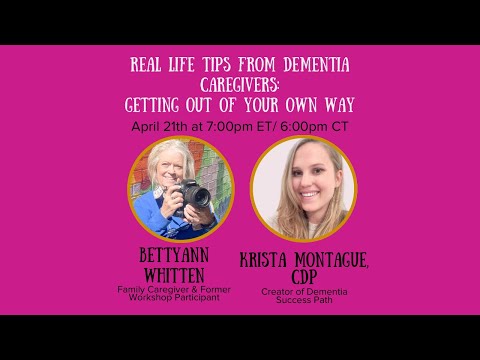 Dementia Caregiver Interview: Tips For Getting Out Of Your Own WayHear a real caregiver describe how they learned to listen, affirm, and redirect instead of correcting. This video reinforces the emotional shift from testing to connecting.
 3 steps to stop difficult dementia behaviors using redirectionA clear, step-by-step guide to using redirection when your loved one is stuck on a topic or behavior. Perfect for practicing the technique.
 Avoid doing this with someone with dementia.Directly addresses the harm of quizzing and memory-testing questions. A must-watch to understand why you should stop.
 Discover Memory Lane GamesShows how conversation-based games (not memory tests) can be used to redirect and engage without pressure. Great for finding new activities.
2 more videos
 What To Do When Dementia Patients Get Angry?Offers redirection strategies for moments of anger or agitation, which often follow memory-testing interactions.
 154. 5 Effective Tips to Handle Repetitive Questions in Dementia CareProvides specific phrases and approaches for when your loved one asks the same question repeatedly, a common trigger for the urge to test.
Background
Why Memory Testing Feels Natural but Backfires
As a family caregiver, you’re used to having conversations where both people can follow along, recall details, and answer questions. So when your loved one forgets something, like where they put their glasses or what day it is , it’s almost automatic to ask a follow-up question: 'Don’t you remember? We just talked about this.' This kind of questioning comes from a place of trying to help, but for someone with dementia, it feels like a test they are failing. The emotional memory of that failure lasts longer than the event itself. They may not remember what they forgot, but they will remember feeling confused, embarrassed, or pressured.
The Hidden Cost of Quizzing
When you ask 'Who is this in the picture?' or 'What did you have for dinner?', you are asking your loved one to access a memory that may no longer be available to them. If they can’t come up with the answer, they may feel shame or frustration, and you may feel frustrated too. Over time, this pattern erodes trust and increases agitation. As one expert put it, if they knew who that was in the picture, they would tell you. Quizzing proves nothing and solves nothing. It turns a moment of connection into a moment of pressure. The better path is to let go of the need to test and instead focus on the emotional connection, the feeling of being together, safe, and understood.
Redirection as a Skill, Not a Trick
Redirection is not about lying or manipulating. It’s about gently steering the conversation or activity toward something that brings comfort, interest, or calm. Think of it like guiding a toddler who is upset, you don’t argue or reason, you offer a new focus. With practice, redirection becomes a natural tool that lowers stress for both of you. When you feel the urge to test, pause and ask yourself: 'What is the emotion underneath this? What does my loved one need right now?' Often, they need reassurance, not a memory check. They need to feel heard, not corrected. Redirection honors their emotional reality and keeps the peace.
Practical tools
6
The 'Redirect Phrase' Cheat Sheet
Write down 5-10 neutral, warm phrases you can use when you feel the urge to test. Examples: 'That’s okay, it doesn’t matter.' / 'I love that you’re thinking about that.' / 'Let’s look out the window together.' / 'I’m so glad we’re here right now.' / 'Tell me about your favorite song.' Keep this list in your phone or on the fridge.
Sensory Redirection Kit
Prepare a small basket with items that engage the senses:
When conversation gets stuck, offer one of these items and say, 'I thought you might like this. Feel how soft it is.'
The 'Yes, And' Script
Practice this two-step script: First, affirm their statement or feeling. Second, add a new direction. Example: Them: 'I want to go home.' You: 'Yes, home is a wonderful place. Let’s sit here and I’ll tell you about the time we decorated the Christmas tree together.'
Activity-Based Redirects
Have a short list of simple, engaging activities ready: folding towels, sorting socks, looking at a magazine, watering a plant, or doing chair yoga. When you sense a memory-testing moment coming, say, 'I need some help with this, can you hold this for me?' This shifts focus to a shared task.
The 'One-Question Rule'
Limit yourself to one open-ended, non-memory question per conversation. For example, 'What’s something that made you smile today?' If they can’t answer, let it go. Do not follow up with hints or prompts. The goal is connection, not information.
Emotional Reassurance Phrases
When they seem confused or upset, use phrases that soothe: 'You’re safe.' / 'I’m here with you.' / 'We’re okay.' / 'I’ll take care of it.' / 'You don’t need to worry.' These words bypass the need for factual recall and speak directly to the emotional brain.
Different situations
Early-stage dementia (still aware of memory loss)
In early stages, your loved one may be acutely aware of their memory lapses and may feel embarrassed or frustrated. Avoid testing even more carefully. Instead of redirecting too abruptly, you can gently acknowledge the difficulty: 'I know it’s hard when you can’t find the word. It happens to me too sometimes. Let’s just enjoy this moment.' Offer reassurance and then shift to a pleasant topic.
Lewy body dementia (with visual hallucinations or fluctuating cognition)
Redirection is especially useful when they are stuck on a hallucination or paranoid thought. Do not argue about the reality of what they see. Instead, validate the feeling: 'That must be scary. I’m here with you. Let’s go into the other room where it’s brighter.' Use a physical redirect, walking to a different room or offering a drink , to break the focus.
Late-stage dementia (limited verbal ability)
In late stages, memory testing is not only unhelpful but may cause distress because they cannot process the question. Use nonverbal redirects: gentle touch, a familiar song, a hand massage, or offering a favorite food. Speak in a calm, low tone. Use single words or short phrases: 'Tea?' or 'Music?'
Spouse vs. adult child caregiver
Spouses may feel a deeper sense of loss and may be more tempted to test memory as a way to 'bring back' the person they knew. If you are a spouse, remind yourself that your role is now to be a partner in comfort, not a teacher. Adult children may feel the need to correct or educate. Instead, practice letting go of the need to be 'right' and focus on being present.
In a facility or with paid caregivers
If you are not the primary caregiver, share this article with staff. Ask them to avoid quizzing and to use redirection instead. You can also model the behavior when you visit: when you feel the urge to test, say out loud, 'Oh, I don’t need to know that. Let’s look at this flower instead.'
For the doctor
3
- If your loved one becomes extremely agitated or aggressive when you try to redirect, discuss with their doctor whether there might be an underlying medical issue (pain, infection, medication side effect) that needs attention.
- If you notice a sudden change in their ability to recognize familiar faces or places, report this to their clinician, it may indicate a change in their condition that requires evaluation.
- If you are unsure whether a behavior is due to dementia or another condition (like depression or delirium), ask the doctor for a screening. Some responses that look like memory loss can actually be signs of depression.