Step by step
What not to do
- Don't ignore the early signs and assume you just need to push through. Burnout usually begins with small changes like snapping more easily or feeling numb, and it will only deepen if you dismiss those signals.
- Don't isolate yourself because you feel no one understands. Emotional isolation is one of the most powerful drivers of burnout, so actively seek connection even when it feels uncomfortable, a support group, a friend who will listen without fixing, or a counselor.
- Don't skip your own medical appointments or hide your caregiving role from your doctor. Your health matters just as much as your loved one's.
- Don't strive for perfect caregiving. The pressure to do everything 'right' leads to exhaustion and guilt, so give yourself permission to have bad days and to do 'good enough.'
- Don't use alcohol, drugs, or prescription medications to cope with stress, as they will worsen depression and anxiety over time.Instead, lean on healthier strategies like exercise, talking to a therapist, or simple relaxation techniques.
- Don't let guilt stop you from taking breaks, asking for help, or enjoying something that is just for you. You cannot pour from an empty cup.
Key points
- Caregiver burnout is not a personal failure; it is a predictable result of chronic, unrelieved stress. Recognizing the early signs (snapping, numbness, exhaustion) is the first step to recovery.
- Emotional isolation accelerates burnout. Your nervous system needs connection to regulate stress. Reach out to a support group or a trusted friend.
- Use the '10 Warning Signs' checklist from the Alzheimer's Association to track your stress level. If you have three or more signs regularly, take action.
- Small, concrete actions (a power nap, a one-hour break, a doctor's appointment) can interrupt the burnout cycle. You don't need a complete life overhaul.
- Asking for and accepting help is a skill you can practice. Start with one specific, time-limited request.
- Your health matters. You cannot pour from an empty cup. Prioritizing your own well-being is not selfish; it is essential for sustainable caregiving.
Videos
 Managing Caregiver Stress & BurnoutThis video provides a comprehensive overview of caregiver stress and burnout, including practical strategies to manage it.
 How To Cope With Caregiver StressOffers actionable coping strategies for the emotional and physical toll of caregiving.
 Dementia Caregivers! 3 Signs You're Burning OutFocuses on three early warning signs of burnout specific to dementia caregivers, helping you catch it before it deepens.
 4 Things MAY Mean YOU have Caregiver Burnout PLUS 3 Things to Do TODAY to HELP!Gives four key indicators of burnout and three immediate actions you can take today to start feeling better.
2 more videos
 Quick Tips: Managing Caregiver StressShort, practical tips for managing stress in the moment, perfect for when you need a quick reset.
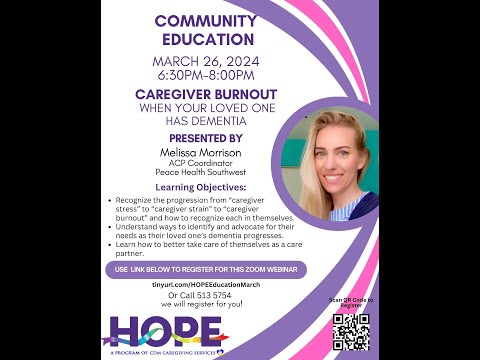 Caregiver Burnout when your Loved One has DementiaAddresses the unique challenges of burnout when caring for someone with dementia, including the emotional and behavioral aspects.
Background
What is caregiver burnout and why does it happen?
Caregiver burnout is not a sign of weakness or a personal failure. It is a predictable result of the intense, ongoing demands of caring for someone with dementia or Alzheimer's, especially when you are a 24/7 caregiver. Unlike a job you can quit, caregiving for a loved one often feels like a responsibility you cannot walk away from. This sustained pressure, combined with the emotional weight of watching someone you love decline, can lead to a state where your own physical, mental, and emotional health becomes compromised. The stress has nowhere to go, and it begins to show up in your body, your mood, and your daily life.
How does burnout differ from normal stress?
Normal caregiver stress might look like feeling tired after a long day or feeling frustrated by a difficult behavior. But burnout is different. It's when the stress has become chronic and has started to impact your health in measurable ways. You might find yourself snapping more easily at your loved one or others, feeling emotionally numb or disconnected, or going through the motions of caregiving without the same sense of patience or connection you once had. You may feel exhausted all the time, even after rest, or you might struggle with sleep, either sleeping too much or lying awake with a racing mind. These changes happen gradually, which is why many caregivers assume something is wrong with them personally, rather than recognizing it as a common and treatable consequence of caregiving.
The hidden cost of isolation and the need for connection
One of the most powerful drivers of burnout is emotional isolation. When you don't feel understood by others, or when you feel alone even in a room full of people, your stress has no outlet. From a neuroscience perspective, humans regulate stress through connection, our nervous systems calm down in the presence of other regulated people. When you are isolated, that stress accumulates. This is not because you are weak; it is because caregiving was never meant to be done in total emotional isolation. Recognizing that you need support is not a sign of failure, but a critical step toward preventing burnout.
Practical tools
5
The 10 Warning Signs Checklist
Print or write down the 10 signs of caregiver stress from the Alzheimer's Association (
). Check off which ones you experience regularly. If three or more appear consistently, it is time to take action.
The One-Hour Break Script
When you need a break, use this exact request: 'I need a one-hour break to recharge. Could you sit with [loved one's name] for one hour on [day] at [time]? I will have everything ready. Thank you.' A specific, time-limited request is far easier for someone to say yes to than a vague plea for help.
The Power Nap Timer
Even if you don't fall asleep, the rest helps reset your nervous system. Use this during the afternoon slump or when you feel your patience wearing thin.
The Stress Outlet Journal
Keep a small notebook or a notes app on your phone. When you feel overwhelmed, write down one sentence naming what you feel, for example, 'I feel like I'm going to explode because Mom won't stop asking the same question.' The simple act of naming a feeling reduces its intensity and helps you respond rather than react.
The Crisis Resource Card
Write down and keep in your wallet:
In a moment of crisis you will not have the bandwidth to search for these.
Different situations
For spouse caregivers (especially those providing 36+ hours of care per week)
Spouse caregivers are at a six times higher risk for depression than non-caregivers. You may feel even more isolated because your social world may have shrunk around your spouse's needs. It is critical to prioritize your own health appointments and to find at least one person outside the caregiving dyad to talk to. Consider respite care through your local Area Agency on Aging to get a regular break.
For adult children caregivers
You may be juggling caregiving with work, your own family, and other responsibilities. The rate of depression is twice as high for adult children. You may feel guilty for not doing enough. Use the 'One-Hour Break' script to ask siblings or other family members for specific help. Set boundaries around your time and communicate them clearly.
For caregivers of someone in early-stage dementia
In early stages, your loved one may still be aware of their diagnosis and may feel frustrated or scared. Your burnout may come from the emotional labor of managing their anxiety and your own grief. Focus on building a routine that includes time for both of you to do enjoyable activities. Join an early-stage support group together if possible.
For caregivers of someone in late-stage dementia
In late stages, the physical demands of caregiving (bathing, feeding, transferring) are very high. Burnout here often looks like physical exhaustion and neglect of your own body. You may need to consider in-home help or hospice care. Use the 'Power Nap' strategy frequently. Discuss with your doctor whether you need a physical therapy or occupational therapy consult to protect your own body.
For caregivers of someone with Lewy body dementia or frontotemporal dementia
These types of dementia often involve more pronounced behavioral changes (hallucinations, impulsivity, agitation) that can be especially stressful. Burnout may come from the unpredictability. You may need to learn specific de-escalation techniques. Consider consulting a dementia behavioral specialist or joining a support group specific to these diagnoses.
Common questions
4
What is the relationship between caregiver thoughts, leisure activities, and inflammation?
When you constantly feel you 'should' be doing more or blame yourself for not doing enough, it triggers your stress response and raises inflammation in your body. A simple act like taking 15 minutes to sit outside or listen to music can lower that inflammation and give your brain a real rest.
Why is caregiver burnout dangerous, and how does it lead to abuse?
Burnout makes your thinking foggy and your reactions quick, that's when gentle hands become harsh words or rough handling, even if you'd never intend it. If you feel yourself snapping or pulling away, step into another room for five deep breaths; that pause protects you both from harm.
How can a structured routine (GRACE) help me recognize and manage burnout?
Using the GRACE method means you pause to Ground yourself, Recall what you and your loved one need right now, Assess your own energy level, Choose one tiny action, and then Engage with a calm heart. This routine helps you notice when you're running on empty before you crash, so you can take a ten-minute sit-down instead of pushing through.
Why is caregiving so exhausting and how can I sustain it?
Caregiving exhausts you because your body and brain are always on alert, even when you're just sitting still, waiting for the next need. To sustain yourself, schedule one non-negotiable hour each week where someone else takes over, use it to sleep, cry, or stare at a wall; that hour refills your cup so you can keep pouring.
For the doctor
5
- Ask your doctor: 'Based on my current stress levels, should I be screened for depression or anxiety?'
- Ask your doctor: 'Could my physical symptoms (headaches, stomach issues, frequent colds) be related to caregiver stress?'
- Ask your doctor: 'What are the warning signs that my stress is affecting my heart health or blood pressure?'
- Ask your doctor: 'Is it safe for me to take any over-the-counter sleep aids or supplements given my current medications?'
- Ask your doctor: 'Can you recommend a therapist who specializes in caregiver burnout?'