
Step by step
What not to do
- Don't ignore early signs of fatigue. Many caregivers push through until they crash. Fatigue is the number one trigger for agitation and sundowning in your loved one, and it also makes you more irritable.Instead, treat fatigue as a warning light, rest before you hit empty.
- Don't try to do everything perfectly. Dementia is unpredictable, and you will have bad days. Believing you must prevent every problem leads to guilt and exhaustion.Instead, accept that some days will be hard, and that's okay. You're doing your best with a difficult disease.
- Don't isolate yourself. Compassion fatigue thrives in silence. If you stop talking to friends or avoid support groups, you lose the emotional outlet that helps you refuel.Instead, reach out, even a short phone call can lighten the load.
- Don't use guilt as a motivator. Telling yourself 'I should be able to handle this' or 'I'm a bad caregiver if I take a break' only makes you feel worse.Instead, remind yourself that taking care of yourself is essential for your loved one's care. You can't pour from an empty cup.
- Don't compare your caregiving to others. Every dementia journey is different. Comparing your situation to someone else's can make you feel inadequate or resentful.Instead, focus on what works for you and your loved one, and celebrate small wins.
- Don't neglect your own health. Skipping meals, losing sleep, or ignoring your own medical needs will make compassion fatigue worse.Instead, prioritize one healthy habit, like eating a balanced meal or getting 15 minutes of fresh air , and build from there.
Key points
- Compassion fatigue is different from burnout, it's emotional exhaustion from caring too deeply, not from being overworked.
- Catch it early by doing a daily check-in with yourself for signs like numbness, irritability, or hopelessness.
- Use the 'one good thing' practice to remind yourself that your care makes a difference.
- Take regular breaks, even short ones, and use respite care when possible.
- Let go of perfectionism, dementia is neurological, and you cannot control everything.
- Build a support network and use it; isolation makes compassion fatigue worse.
Videos
 How To Prevent Dementia Caregiver Burnout?This video offers practical, proven ways to prevent burnout, including taking regular breaks and using respite care. It reinforces the importance of self-care as essential, not selfish.
 How Do Dementia Caregivers Prevent Burnout?This video emphasizes consistent self-care, building a support network, and sharing feelings with others. It's a good reminder that connection reduces isolation.
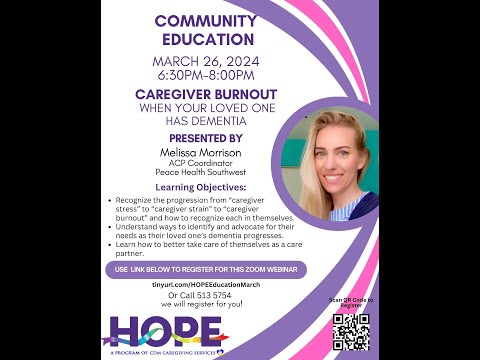 Caregiver Burnout when your Loved One has DementiaThis video discusses the unique challenges of dementia caregiving and offers strategies to avoid burnout, including learning communication techniques and monitoring your own health.
 Dementia Caregiver Compassion Fatigue and ways to copeThis video directly addresses compassion fatigue and provides coping strategies, such as creating a protection plan and paying attention to your feelings throughout the day.
2 more videos
 10 Tips for Dementia Caregivers - Caring for Loved Ones with Memory Loss (and avoid burnout)This video offers ten actionable tips to reduce stress and avoid burnout, including practical advice for daily caregiving routines.
 Dementia Caregivers! 3 Signs You're Burning OutThis video helps you recognize early warning signs of burnout, so you can take action before it becomes severe.
Background
What compassion fatigue looks like in dementia care
Compassion fatigue is not just being tired. It's a physical, emotional, and spiritual exhaustion that creeps in when you've been exposed to your loved one's suffering for a long time. You may start to feel numb, apathetic, or hopeless, like you've run out of caring. You might snap at your loved one or feel irritated by their repetitive questions. You might find yourself withdrawing from friends or feeling like no one understands what you're going through. These are signs that your compassion reserves are depleted, not that you're a bad caregiver. The key is to catch it early, before it turns into depression or anxiety.
Why dementia care is especially risky for compassion fatigue
Dementia is a progressive, unpredictable disease. Your loved one's personality, memory, and abilities change over time, often in ways that feel like a series of losses. You're not just helping with daily tasks, you're also grieving the person they used to be. This prolonged exposure to suffering, combined with the constant need to adapt and plan ahead, can lead to compassion stress. When that stress isn't relieved, it becomes compassion fatigue. Unlike burnout, which comes from feeling unsupported or overworked, compassion fatigue comes from caring too much and not having enough space to refuel. It's especially common in family caregivers because you can't just clock out at the end of a shift.
The cycle of guilt and exhaustion
Many caregivers get stuck in a painful loop: you feel exhausted, then you feel guilty for feeling exhausted, then you push yourself harder to make up for it, which makes you more exhausted. This cycle is fueled by the belief that you should be able to handle everything perfectly. But dementia is a neurological condition, you cannot prevent every difficult moment. Letting go of perfectionism is one of the most powerful things you can do to break this cycle. Instead of aiming to be the perfect caregiver, aim to be a present, compassionate one who also takes care of themselves.
Practical tools
6
The 'Compassion Fatigue Check-In' Card
Create a small index card with three questions:
Keep it in your pocket or on the fridge. When you notice any of these, take a 5-minute break, step outside, breathe deeply, or call a friend. This simple tool helps you catch fatigue early.
The 'One Good Thing' Log
Keep a small notebook by your bed. Each night, write down one thing you did that made a situation better for your loved one. It can be as small as 'I held her hand when she was scared' or 'I played his favorite song.' This builds compassion satisfaction and reminds you that your care matters.
Respite Care Script
When asking for help, use this exact phrase: 'I need a break to recharge so I can be a better caregiver. Could you help me by [specific task, e.g., sitting with Mom for two hours on Saturday]?' This makes it easier for others to say yes because you've given a clear, manageable request.
The 'Pause and Breathe' Routine
Set a timer on your phone to go off every two hours. When it rings, stop what you're doing, take three deep breaths, and ask yourself: 'What do I need right now?' Even 30 seconds of this can reset your nervous system and prevent compassion fatigue from building up.
Support Group Contact List
Compile a list of three people you can call or text when you feel overwhelmed, a friend, a support group member, and a professional counselor. Keep it on your phone or on the fridge. When you feel compassion fatigue creeping in, reach out to one of them before you spiral.
Environment Setup for Calm
Reduce noise and clutter in your caregiving space. Too many sounds at once can agitate your loved one and increase your own anxiety.
A calm environment helps both of you stay regulated.
Different situations
If your loved one has Lewy body dementia
Compassion fatigue may come on faster because of the unpredictable fluctuations in cognition and the higher risk of hallucinations and movement issues. You need to plan for more frequent, shorter breaks. Also, learn to recognize when your loved one is having a 'good day' versus a 'bad day' and adjust your expectations accordingly. Don't blame yourself for the bad days.
If you are an adult child caring for a parent
You may feel extra guilt because of the role reversal and the history of your relationship. It's common to feel like you should be able to handle it because 'she raised me.' Give yourself permission to set boundaries, you are not a professional caregiver, and it's okay to hire help. Also, consider joining a support group specifically for adult children of aging parents.
If you are a spouse caring for a partner
You may feel a deep sense of loss and loneliness because your partner is no longer the person you married. This grief can fuel compassion fatigue. It's important to find ways to connect with your partner in the present moment, even if it's just through touch or music. Also, make time for your own hobbies and friendships outside of caregiving.
If your loved one is in a facility
Compassion fatigue can still happen even if you're not providing daily hands-on care. You may feel guilty for not being there, or you may feel frustrated with the facility staff. Focus on what you can control: visit at times that work for you, communicate clearly with staff, and take care of yourself on the days you don't visit. Consider joining a support group for families of those in long-term care.
If you are on Medicaid or have limited financial resources
Respite care may seem out of reach, but there are options. Look into adult day programs, volunteer-based respite services, or church-based care programs. Also, check with your local Area Agency on Aging for low-cost or free support. You can also trade caregiving hours with another family caregiver in your network.
For the doctor
4
- If you experience symptoms of depression (persistent sadness, loss of interest in activities, changes in sleep or appetite) or anxiety (constant worry, racing thoughts, panic attacks), discuss these with your doctor. They can help you find appropriate treatment, which may include therapy or medication.
- If you find yourself using alcohol, drugs, or food to cope with your feelings, talk to a healthcare provider. These can worsen compassion fatigue and lead to other health problems.
- If you have thoughts of harming yourself or your loved one, seek immediate help from a crisis line or your doctor. This is a sign of severe compassion fatigue that requires professional intervention.
- If you are struggling to sleep despite being exhausted, or if you have physical symptoms like headaches, stomach problems, or a racing heart, discuss these with your clinician. They may be signs of chronic stress that need medical attention.