Step by step
What not to do
- Do not approach from behind or the side. This can trigger a startle response and make the person feel attacked.Instead, always approach from the front, within their line of sight.
- Do not rush into the task without connecting first. Jumping straight into mouth care or dressing without the connector step often leads to resistance, shouting, or physical aggression.Instead, spend 30–60 seconds on the connector step.
- Do not use a loud or high-pitched voice. This can be perceived as alarming.Instead, use a low, calm, rhythmic tone that matches a relaxed pace.
- Do not grab or touch without warning. Even a gentle touch on the arm can feel invasive if the person is not ready.Instead, offer your hand palm-up and let them initiate contact if possible.
- Do not ask complex questions like 'Do you want to brush your teeth now?' This can overwhelm or confuse.Instead, use a simple statement: 'Time to brush your teeth.'
- Do not ignore negative cues like turning away, stiffening, or frowning. Pushing through will escalate distress.Instead, back up, wait, and try again with a slower, softer approach.
Key points
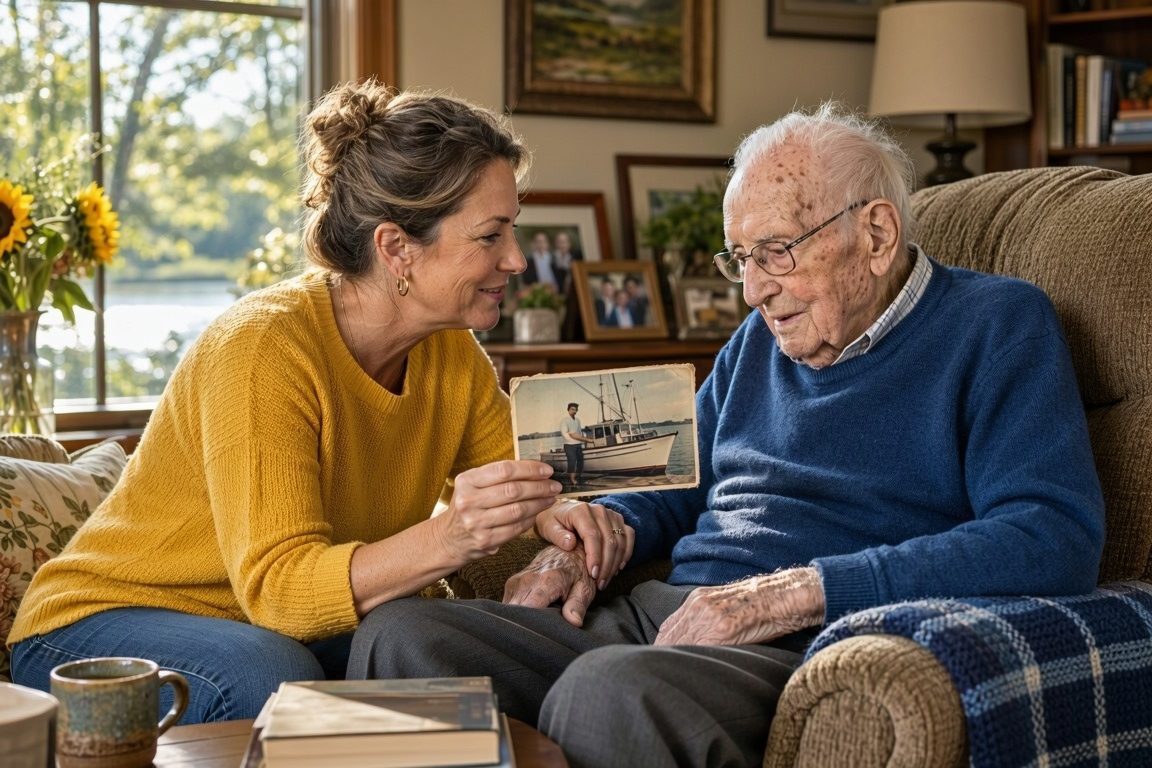
- The Positive Personal Connector is the first step of PPA: approach from the front, get to eye level, smile, and pause to read the person's cues before any task.
- Never approach from behind or the side, this can trigger a startle response and lead to resistance or aggression.
- Use an open-handed, palm-up gesture to signal safety and invite connection, not a grab or point.
- Watch for positive cues (eye contact, smile, relaxed body) or negative cues (turning away, stiffening, frowning) and adjust your approach accordingly.
- The connector step is a data-gathering moment: you assess the person's emotional state, cognitive ability, and physical comfort before proceeding.
- For tasks near the face, start with a low-intensity touch on the cheeks or forehead before moving to the mouth area, as Teepa Snow demonstrates.
Videos
 Getting the Task Started with Various GEMS States (Teepa's Clips)This video shows Teepa Snow demonstrating the Positive Personal Connector step in real-time with people at different gem states. You will see how she adjusts her approach based on the person's response, including the use of low-intensity touch on the cheeks before mouth care.
 PAC 10 at 5 - PACronymsThis video explains the PPA acronym (Positive Physical Approach) and its components, including the Positive Personal Connector. It is a quick, clear overview that reinforces the step-by-step process.
 How to Use a Positive Physical Approach to Assess Abilities with Someone Living with DementiaThis webinar focuses on using PPA as an assessment tool. It includes role plays that demonstrate how the connector step helps you notice the person's abilities and adapt your care accordingly.
 Discover Your Genetic Wellness™While not directly about PPA, this video discusses genetic testing for dementia risk. Understanding the person's genetic profile may help you anticipate their cognitive changes and tailor the connector step to their specific needs over time.
Practical tools
6
The 'Pause and Scan' Checklist
Before you even speak, scan the person's environment and body:
Use this data to decide if you need to adjust lighting, turn off the TV, or wait until they finish a task. This is part of the connector step, gathering data to set up success.
The 'Open Hand' Gesture
Hold your hand out, palm up, fingers relaxed, at about chest height. This is a universal signal of 'I come in peace.' It invites the person to reach out if they want, and it gives you a chance to see if they can imitate the gesture (a sign of cognitive ability). Do not point or clench your fist.
The 'Name + Pause' Script
Use this exact phrase: '[Name], it's [your name].' Then pause for 5 seconds. For example: 'Margaret, it's Sarah.' Then wait. This gives the person time to process and respond. If they do not respond, repeat once more slowly. If still no response, move to a gentle touch on the back of the hand.
The 'Test Touch' Technique
Before any care task, place your hand gently on a neutral area like the back of the hand or forearm for 3 seconds. Watch for a flinch, pull-away, or relaxation. If they relax, you can move to the task area (e.g., face for mouth care). If they tense, stop and try a different spot or wait longer.
The 'Low-Intensity Stimulation' Sequence
For tasks near the face (like mouth care or feeding), start by gently stroking the cheeks and forehead with your hand before moving to the mouth. This lower-intensity touch, as Teepa Snow demonstrates, helps you assess if the person finds it positive or negative. If they tolerate it, proceed; if not, back off.
The 'Breath Sync' Practice
Before you approach, take three slow, deep breaths. As you connect, match your breathing rate to theirs if possible. If they are breathing fast, slow your own breath and they may unconsciously follow. This is a non-verbal way to calm the nervous system.
Different situations
For someone in the 'Sapphire' gem state (early-stage, mostly independent)
The connector step can be shorter, a simple greeting and eye contact may suffice. You can use more complex language like 'I'm going to help you with your teeth now, okay?' and wait for a verbal yes. Still approach from the front and at eye level, but you may not need the full 30-second pause.
For someone in the 'Ruby' gem state (advanced dementia, limited verbal ability)
The connector step is longer and more sensory. Use a very slow approach, a soft voice, and lots of waiting. The 'test touch' on the hand is critical. If they do not respond, try humming a familiar tune or using a gentle touch on the shoulder. Avoid any sudden movements. The goal is simply to get a moment of eye contact or a relaxed posture before proceeding.
For a spouse caregiver at home
You may have the advantage of familiarity, but do not skip the connector step. Even if you have done this task a thousand times, the person's brain may not recognize you in the moment. Use their pet name or a familiar phrase like 'It's me, honey.' The connector step helps ground them in the present relationship.
For a professional caregiver in a facility
You may be new to the person. The connector step is even more important. Introduce yourself by name and role (e.g., 'I'm Sarah, your care partner today'). Use the person's name and wait for a response. If they are agitated, do not force the task; come back in 10 minutes and try again. Document what worked in their care plan.
For someone with Lewy body dementia (fluctuating cognition, visual hallucinations)
Approach even more slowly and from a greater distance (8–10 feet). Be aware that they may misinterpret your gestures (e.g., an open hand might look like a threat). Use a very calm, low voice and avoid direct eye contact if it seems to cause distress. The connector step may need to be repeated several times as their state fluctuates.
For the doctor
3
- If the person consistently reacts with aggression or fear during the connector step, discuss with a doctor or occupational therapist whether there is an underlying medical issue (e.g., pain, infection, medication side effect).
- If the person has a known history of falls, ask the clinician for guidance on safe positioning during the connector step (e.g., whether to kneel or sit to maintain your own balance).
- If the person is on medications that affect alertness (e.g., antipsychotics, sedatives), ask the clinician how these might impact their response time during the connector step and whether you need to adjust your pace.