Step by step
What not to do
- Don't wait for symptoms to take action, osteoporosis is silent until a fracture occurs; rely on screening, not how you feel.
- Don't assume osteoporosis only affects women; one in four men over 50 will break a bone from it, so screen men over 70.
- Don't stop or change bone-affecting medications (like steroids or thyroid hormone) on your own; the doctor can adjust doses or add bone-protecting treatments.
- Don't load up on calcium without checking vitamin D levels, as the body needs vitamin D to absorb calcium; excess calcium without it may not help and could cause issues.
- Don't avoid exercise out of fear of falling, gentle, supervised weight-bearing activity strengthens bones and improves balance.
- Don't smoke or drink excessively; both accelerate bone loss and increase fracture risk.
- Don't brush off a minor fracture as 'no big deal', a wrist or spine fracture from a low-impact event is a major red flag for osteoporosis and deserves a full workup.
Key points
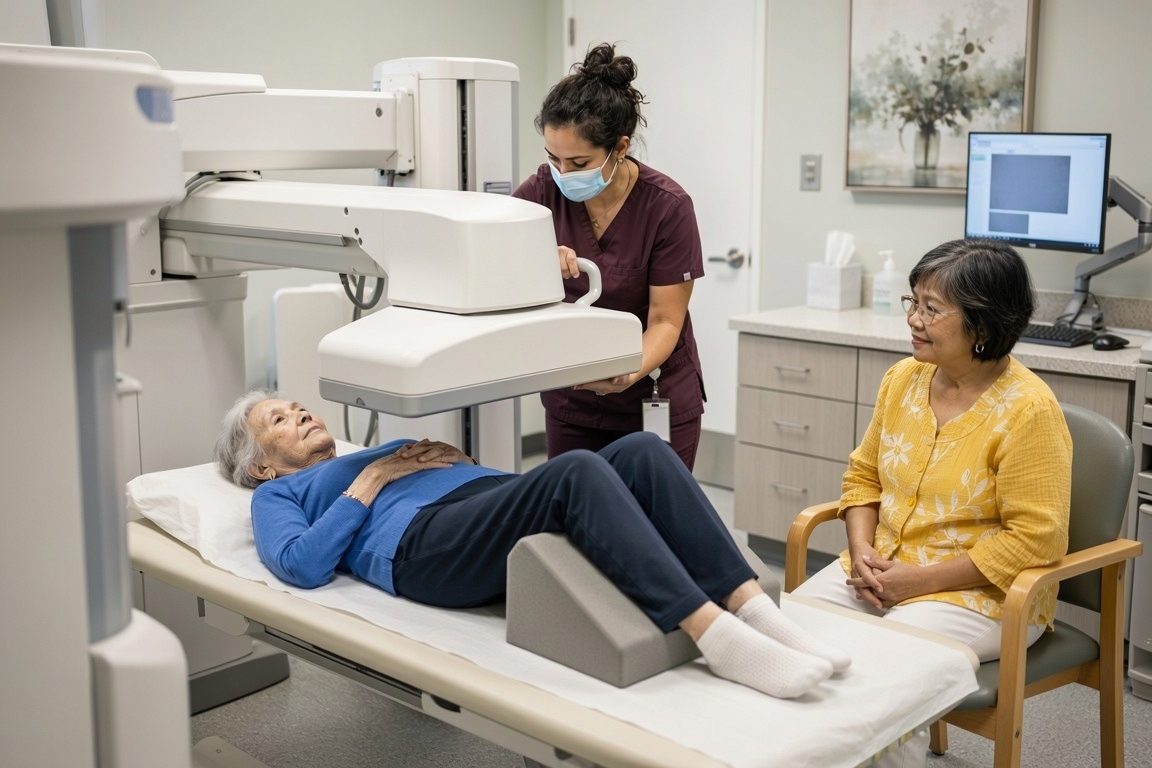
- Osteoporosis is a 'silent' disease, no symptoms until a bone breaks. Screening with a DEXA scan is essential.
- Women over 65 and men over 70 are at highest risk, but younger people with risk factors should also be screened.
- Risk factors include age, sex, race, family history, low calcium/vitamin D, certain medications, smoking, heavy alcohol use, and low body weight.
- Weight-bearing exercise, adequate calcium and vitamin D, and fall-proofing the home are powerful prevention tools.
- After a fracture, treatment with medication is often recommended to prevent another break.
- Caregivers should advocate for screening, help with diet and exercise, and create a safe home environment.
Videos
 Why Does Caring for Elderly Parents Make Me Mean?This video addresses caregiver stress and emotional challenges, which can affect your ability to advocate for bone health and fall prevention. It offers strategies to manage frustration and stay patient.
 What Are The Most Common Risk Factors For Alzheimer's & Dementia?While focused on dementia, this video discusses risk factors like age, genetics, and lifestyle that overlap with osteoporosis risk. It helps caregivers understand the broader context of aging and health.
 What Is Dementia?Understanding dementia is important because cognitive impairment increases fall risk and complicates osteoporosis management. This video provides a clear overview.
 What is Dementia?Another helpful overview of dementia, reinforcing the link between brain health and physical health, including bone health.
2 more videos
 🚨 Early Onset Dementia Explained! 🚨For caregivers of younger individuals with early-onset dementia, this video explains unique challenges. These individuals may still be active and need tailored fall prevention and bone health strategies.
 Dr. James Vickers Director of the Wicking Dementia Research & Education CenterThis video discusses dementia research and education, which can help caregivers understand the importance of proactive health measures, including bone density screening.
Background
What Is Osteoporosis?
Osteoporosis is a disease that causes bones to become weak and brittle. Under a microscope, healthy bone looks like a honeycomb with a solid matrix, but osteoporotic bone has larger holes and is more porous, like a sponge that has lost its structure. This weakening means that even mild stresses, like bending over, coughing, or a minor fall, can cause a bone to break. The most common breaks happen in the hip, wrist, and spine. Bone is living tissue that is constantly being broken down and rebuilt. When you are young, your body makes new bone faster than it breaks down old bone, and your bone mass increases. Most people reach their peak bone mass by about age 30. After that, bone loss slowly outpaces bone creation. As you age, this imbalance becomes more pronounced, and bones become thinner and more fragile. The only symptom of osteoporosis is actually breaking a bone, there is no pain or warning before that happens. That is why screening is so important, even before a fracture occurs.
Who Is at Risk?
Osteoporosis can affect people of all races, but some groups are at much higher risk. Women who are white or of Asian descent, especially those past menopause, are at the highest risk. After menopause, around age 50, estrogen levels drop sharply. Estrogen helps protect bone, so when it declines, bone loss accelerates. Men are also at risk, but the decline in sex hormones happens more gradually and later in life. Men over age 70 are at very high risk and should be screened. Family history matters too, if a parent or sibling has had osteoporosis or a hip fracture, your risk is higher. Certain medical conditions and medications also increase risk. For example, taking steroid medications (like prednisone) for a long time, or having conditions that lower estrogen or testosterone (such as breast cancer treatments that reduce estrogen, or thyroid hormone imbalances), can speed up bone loss. Dietary factors play a big role: a lifelong lack of calcium, eating disorders that severely restrict food intake, or low vitamin D levels all contribute to weaker bones. Lifestyle choices like smoking, heavy alcohol use, and being underweight also raise risk. Finally, age itself is a major factor, the older you are, the more bone loss has occurred, and the more frail you become, which increases the chance of falling and breaking a bone.
Practical tools
6
DEXA Scan Prep Card
A wallet-sized card with:
Daily Calcium & Vitamin D Tracker
A log (paper or app) to record foods eaten and their nutrient content (e.g., 1 cup milk = 300 mg calcium, 3 oz salmon = 200 IU vitamin D) so you and the doctor can assess if supplements are needed.
Room-by-Room Fall-Proofing Checklist
A checklist for every space:
Medication Review Card
A card listing every medication, dose, and duration (including over-the-counter and supplements) to bring to every appointment, so the doctor can review for bone effects.
Weekly Exercise Log
A log to record weight-bearing activities (walking, stair climbing, light weights), duration, and how they felt, aiming for 150 minutes per week; start with 5–10 minutes if hesitant.
Gentle Conversation Starters
Warm phrases to discuss bone health without shaming, e.g., 'I've been reading about keeping our bones strong, would you be open to talking to the doctor about a bone density test?' or 'Let's figure out how to make the house safer so you feel more confident.'
Different situations
For a postmenopausal woman (age 50+)
This is the highest-risk group. Screening should start at age 65, but earlier if there are additional risk factors (like early menopause, family history, or long-term steroid use). Emphasize calcium and vitamin D, weight-bearing exercise, and fall prevention. Discuss hormone therapy or other medications with the doctor if bone density is low.
For a man over 70
Men are often overlooked for osteoporosis screening. Make sure to ask the doctor specifically about a DEXA scan. Testosterone levels may be checked as well. Exercise and fall prevention are just as important. Men may be less willing to use a walker or cane, so frame it as a tool for independence: 'This will help you stay active and safe.'
For someone with early-stage dementia or Alzheimer's
Cognitive impairment increases fall risk and may make it harder to follow exercise or diet recommendations. Use simple, one-step instructions: 'Let’s walk to the kitchen.' 'Time to take your calcium pill.' Keep a routine. Use visual cues (e.g., a chart on the fridge for exercise). The caregiver should supervise all exercises and home safety checks. If the person wanders, consider a bed alarm or motion sensors to prevent falls at night.
For someone who has already had a fracture
This is a critical moment. After a fracture, the risk of another fracture is very high. Treatment (medication) is often recommended. Ask the doctor about starting a bone-building or bone-protecting drug. Physical therapy is essential for regaining strength and balance. Modify the home to prevent future falls. The emotional impact of a fracture can be significant, offer reassurance and patience.
For someone with a history of eating disorders or very low body weight
Low body weight is a major risk factor. Work with a dietitian to ensure adequate nutrition. Avoid any pressure to diet or restrict food. Focus on nutrient-dense meals. The doctor may recommend supplements. If the person has a history of anorexia or bulimia, involve a mental health professional as well.
For the doctor
6
- Ask the doctor: 'Based on my loved one’s age, sex, race, and medical history, when should we get a bone density scan?'
- Ask: 'Are any of the current medications (like steroids, thyroid hormone, or cancer treatments) affecting bone health? Can we adjust them or add a bone-protecting medication?'
- Ask: 'What are the benefits and risks of starting a medication for osteoporosis, such as bisphosphonates (Fosamax, Actonel) or newer drugs like Prolia or Evenity?'
- Ask: 'Should we check vitamin D and calcium levels with a blood test? What are the target levels?'
- Ask: 'If a fracture occurs, what is the best treatment plan to prevent another fracture?'
- Ask: 'Is a referral to a physical therapist or occupational therapist appropriate for fall prevention and exercise guidance?'