Step by step
What not to do
- Don't accept a standard nursing home as the only option, look specifically for dedicated memory care or a true small-home model.
- Don't interpret bathroom refusals or agitation as stubbornness; a contrasting toilet seat or mat often fixes what looks like a behavior problem.
- Don't rely on medication alone to manage agitation or sleep, pair any prescription with routine, music, and environmental supports, and revisit dosages regularly.
- Don't move the person in abruptly; plan repeated visits, an overnight trial, and a room with familiar belongings so the new place feels like a continuation of home.
- Don't take resistance to outside help as a verdict, start small with a volunteer or paid caregiver while you're present, and widen their world gradually.
Key points
- Dementia housing is often a one-size-fits-all system that doesn't meet individual needs; small-home alternatives offer a more personalized, home-like environment.
- The physical environment greatly affects behavior, poor contrast, mirrors, and clutter can cause confusion and agitation.
- Small-home models with 10-16 residents, residential kitchens, and consistent staff reduce overwhelm and promote familiarity.
- Non-pharmacologic strategies like routine, light exposure, and calming environments are essential and should be tried before medications.
- Caregivers must sometimes make decisions the person with dementia doesn't agree with, this is part of being a good caregiver.
- Financial barriers exist, but options like Medicaid waivers, non-profit homes, and adult day health centers can help.
Videos
 Agitation and Alzheimer’s: Strategies for Managing Behavioral and Psychological Symptoms of DementiaThis video provides practical, non-drug strategies for managing agitation, which is a common challenge when adjusting to a new housing environment.
 Sleep Issues and DementiaSleep problems are a major factor in caregiver stress and can be worsened by poor housing environments. This video offers evidence-based solutions.
 Dementia Demystified with Tim EnglandTim England discusses the lack of awareness and acceptance in the community, which directly relates to the housing challenges families face.
 What Level Of Care Does A Dementia Patient Need?This video helps caregivers understand the continuum of care, from independent living to nursing homes, and how to match the level of care to the person's needs.
Background
The One-Size-Fits-All Problem in Dementia Care
The biggest hurdle is that our current dementia care system is not personalized. As experts note, care is often a 'one-size-fits-all' approach that emphasizes medications and doesn't address the whole person, their history, preferences, or daily needs. This means that when you're looking for housing, you're often offered a standard nursing home or assisted living facility that wasn't designed for someone with cognitive changes. Many nursing homes are reluctant to accept people with dementia, especially if they are mobile, because they fear they will wander out the door. Memory care units exist, but they are often private-pay and don't accept Medicaid or Medicare, making them financially out of reach for many families. This leaves caregivers feeling stuck between a system that doesn't fit and a lack of affordable, appropriate options.
Why Small-Home Alternatives Make a Difference
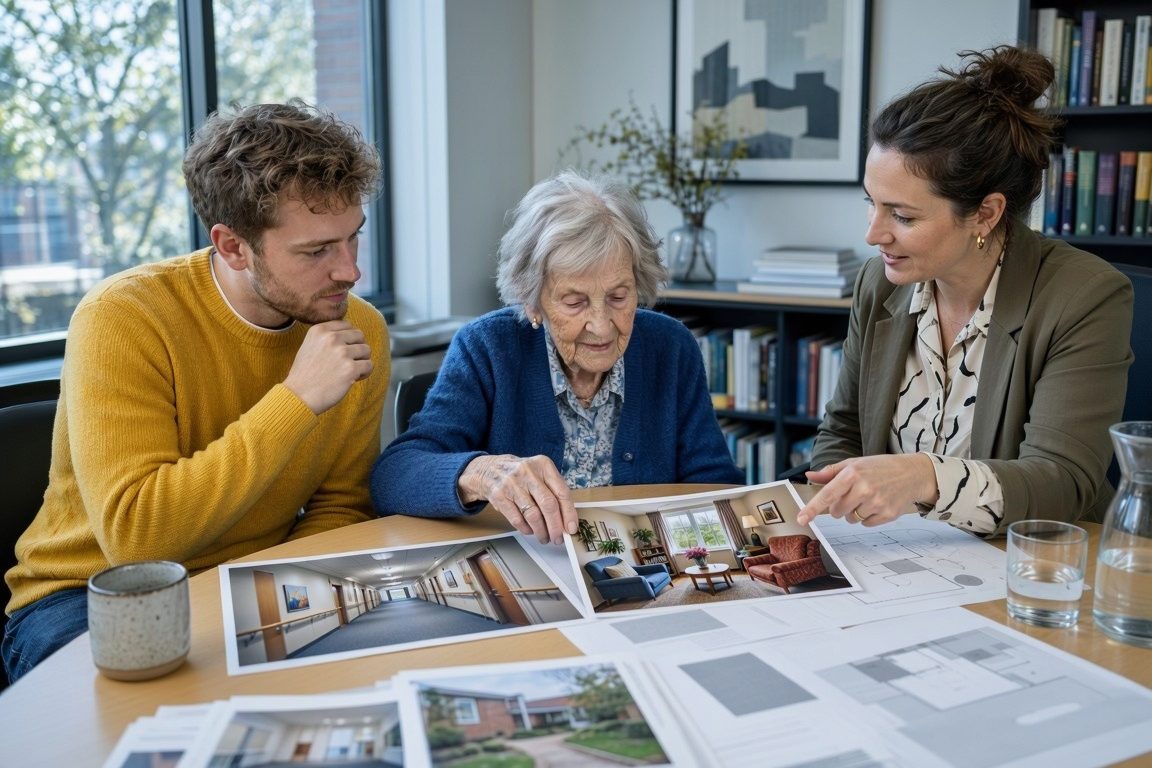
The good news is that there is a growing movement toward small-home alternatives, often called 'small households' or 'shared housing' models. These are designed to feel like a real home, not a hospital. Instead of a large dining room with 100 people, these settings have 10 to 16 residents, a residential kitchen, and a living room where people can participate in daily activities like cooking their favorite recipes. This environment reduces overwhelming stimuli and helps residents feel more comfortable and familiar. The key is that the space is flexible, adapting as the person's needs change over time. This approach recognizes that people with dementia are still individuals with unique preferences, what works for one person won't work for another. The goal is to create a place that feels safe, recognizable, and supportive, rather than a sterile institution.
The Role of Environment in Behavior and Well-Being
The physical environment has a profound impact on a person with dementia. Poor design, like monochromatic bathrooms where the floor, toilet, and walls are all the same color, can cause confusion and fear. A person may refuse to step into a bathroom because they can't see where to step, not because they are being difficult. Similarly, highly reflective surfaces like mirrors can cause panic if a person doesn't recognize their own reflection, seeing a stranger instead. Small-home alternatives address these issues by using high-contrast colors for toilets and grab bars, avoiding shiny finishes, and creating clear visual cues like signs or photos to help with wayfinding. The environment should be calm, with quiet spaces and minimal clutter, to reduce agitation and support a sense of security.
Practical tools
3
Small-Home Visit Checklist
During tours, confirm:
Watch one meal to see if staff sit with residents and conversation happens.
High-Contrast Bathroom Setup
Facility Interview Questions
Ask:
Vague or defensive answers are a red flag.
Different situations
For someone with Lewy body dementia or Parkinson's dementia
These types often involve visual hallucinations and extreme sensitivity to medications. Avoid environments with busy patterns or mirrors that could trigger hallucinations. The small-home model is ideal because it reduces overstimulation. Also, discuss with the doctor about medication adjustments, as some antipsychotics can worsen symptoms in Lewy body dementia.
For a person in late-stage dementia who is bedridden or non-verbal
Focus on comfort and safety. The environment should have a pressure-relieving mattress, easy access to a call button, and a soothing atmosphere with soft lighting and familiar music. Small-home alternatives may still be appropriate if they offer skilled nursing care. Ensure staff are trained in pain management and non-verbal cues, as the person may not be able to express discomfort.
For an adult child caregiver vs. a spouse caregiver
Adult children may feel guilty about moving a parent to a facility, while spouses may feel a stronger sense of duty to keep their partner at home. If you are an adult child, remind yourself that you are making a loving decision to ensure safety. If you are a spouse, consider that your own health matters too, caregiver burnout is real. Both roles benefit from respite care and support groups. The small-home model can feel more like a family setting, which may ease guilt for both groups.
For families on Medicaid or with limited income
Small-home alternatives are often private-pay, but some states have Medicaid waivers for home- and community-based services. Contact your state's Medicaid office and ask about 'HCBS waivers' for dementia. Also look into non-profit or faith-based homes that offer sliding-scale fees. If a facility is out of reach, focus on modifying your home with low-cost solutions like high-contrast tape on stairs and removing clutter. Adult day health centers are often more affordable than full-time care.
For someone who is still mobile and prone to wandering
Safety is the top priority. The small-home model often has a secure outdoor garden where the person can walk safely. If staying at home, install door alarms, locks out of sight, and consider a GPS tracker. Avoid using physical restraints. Instead, create a 'wandering path' indoors with interesting objects to look at, like a fish tank or a photo wall.
For the doctor
5
- Ask your doctor: 'Could my loved one's agitation or sleep problems be caused by an underlying medical condition like a urinary tract infection or pain?' Treating these can often reduce behavioral symptoms without medication.
- Discuss with the pharmacist: 'Are any of my loved one's current medications known to cause confusion, drowsiness, or sleep disturbances? Can any be adjusted or discontinued?'
- If considering a move to a facility, ask the facility's medical director: 'What is your approach to managing behavioral symptoms without medications? Do you have a protocol for non-pharmacologic interventions?'
- For families exploring small-home alternatives, ask: 'Do you have a registered nurse on staff? How do you handle medical emergencies or changes in condition?'
- If your loved one is on antipsychotics or sedatives, ask the doctor: 'What is the plan for tapering these medications? Are there non-drug alternatives we can try first?'