
Step by step
What not to do
- Do not try to reason or explain during an overload episode. The brain's filtering system is overwhelmed, and logic will not register.Instead, reduce stimulation immediately: turn off the TV, dim the lights, and speak in a soft, slow voice. Say something like, 'I see you are feeling upset. Let's sit down together in the quiet room.'
- Do not leave the person alone in a cluttered or noisy room. This can increase fear and confusion. Stay nearby, even if you are not actively interacting. Your calm presence is a grounding anchor. If you need to step away, say, 'I am just going to the kitchen to get your water. I will be right back.'
- Do not use harsh overhead lighting or flickering bulbs. These can create shadows that the brain misinterprets as people or moving objects. Use soft, diffused lighting from lamps. If you must use overhead lights, install dimmer switches and keep them on the lowest setting that still allows safe movement.
- Do not introduce new furniture or rearrange rooms without careful planning. Any change in the environment can be confusing and increase the risk of agitation. If you must make a change, do it gradually and with the person present, explaining what you are doing. Keep familiar objects in the same places.
- Do not force the person to wear clothing that is uncomfortable or difficult to put on. PCA can make it hard to coordinate movements to get dressed. Choose soft, tagless fabrics with simple fastenings (elastic waistbands, Velcro closures). Lay out clothes in the order they go on. If the person resists, try offering two choices: 'Do you want the blue shirt or the green one?'
- Do not ignore signs of overload because you are busy or want to finish an activity. The person's distress is real and will only escalate if ignored. Stop what you are doing, address the environment first, and then attend to the person's emotional needs. Your flexibility is key to preventing a full-blown crisis.
Key points
- PCA specifically damages the brain's visual and spatial processing centers, making sensory overload a primary trigger for agitation and confusion.
- Environmental modifications for PCA must focus on reducing visual clutter, eliminating shadows and glare, and using high-contrast cues.
- A predictable daily routine and a wind-down period in the late afternoon are essential to prevent overload from building up.
- Never argue or reason during an overload episode; instead, reduce stimulation immediately and offer calm reassurance.
- What works today may not work tomorrow, keep a log and be flexible. Consult with professionals (doctor, OT, speech therapist) for personalized strategies.
- Morning sunlight exposure and short naps (under 60 minutes) can help regulate the circadian rhythm and reduce evening agitation.
Videos
 Why Does Sensory Overload Trigger Sundowning In People With Dementia?Explains the brain's impaired filtering system and how sensory buildup leads to evening agitation, directly relevant to PCA.
 How Does Sensory Overload Affect Sundowning In Dementia Patients?Describes how loud noises, bright lights, and strong smells worsen confusion and agitation, key triggers to modify in PCA.
 Sundowning in Dementia: Why Evenings Get SO Hard (and How to Help)Offers practical tips for reducing evening stimulation, including lighting and noise control, which are critical for PCA.
 Coping with Sundowning & Sleep Issues as a Dementia CaregiverCovers the importance of routine, morning sunlight, and balancing rest with activity, all applicable to PCA care.
2 more videos
 PCALECTURE with UCSD neurologist Dr. Douglas GalaskoProvides medical background on PCA progression, including visual and spatial symptoms, and the need for individualized environmental adaptations.
 Wandering, Rummaging, & Hoarding, Oh My!Discusses how environmental changes can reduce challenging behaviors like wandering, which can be triggered by sensory overload in PCA.
Background
What Is Happening in the PCA Brain
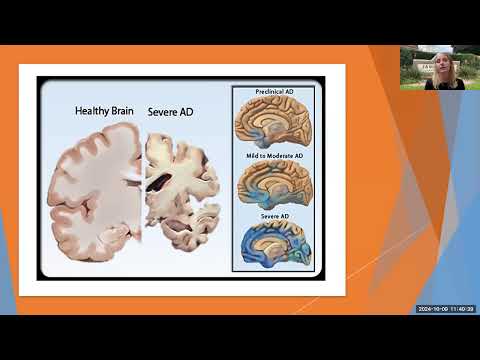
In posterior cortical atrophy, the damage starts in the back of the brain, the occipital and parietal lobes , which are responsible for processing visual information and spatial awareness. Unlike other dementias where memory is the first to go, PCA attacks the brain's ability to make sense of what the eyes see. The brain's normal 'filtering system' that ignores irrelevant stimuli (like the hum of a refrigerator or the pattern on a rug) is impaired. As a result, even ordinary sights, sounds, and textures can feel like a chaotic assault. The person may not be able to tell you they are overwhelmed; instead, they might become irritable, restless, or try to leave the room. They might also develop hallucinations or delusions as the brain tries to 'fill in the gaps' of missing visual information.
Why Sensory Overload Is Different in PCA
Because PCA specifically affects visual and spatial processing, environmental triggers that might be minor for someone with typical Alzheimer's can be profoundly disabling. For example, a patterned carpet can look like a moving surface, causing a fear of falling. A mirror can be mistaken for another person or a doorway, leading to confusion or agitation. Shadows and glare are especially disturbing because the brain cannot interpret them correctly. The person may also have difficulty with depth perception, making stairs or uneven floors feel dangerous. This constant sensory 'noise' builds up throughout the day, like a sponge soaking up water. By late afternoon or evening, the brain is exhausted and can no longer cope, leading to what looks like sundowning, but is actually sensory overload tipping over into crisis.
The Role of Fatigue and Circadian Rhythm
The PCA brain is working overtime just to process basic visual and spatial information. This is mentally exhausting. By the end of the day, the person's reserves are depleted, and their ability to filter out sensory input collapses. This is why environmental modifications are especially critical in the late afternoon and evening. Additionally, changes in the body's internal clock (circadian rhythm) are common in dementia, and PCA is no exception. Morning sunlight exposure for at least 10 minutes can help reset this clock, but the environment must also be adjusted to reduce stimulation as the day goes on. A calm, predictable evening routine, with dimmed lights, quiet sounds, and familiar objects , can prevent the spiral into agitation.
Practical tools
6
The 'Quiet Corner' Setup
Designate one room or corner of a room as a low-stimulation sanctuary. Use a comfortable chair with a soft blanket, a small table with a familiar object (like a favorite photo or a smooth stone), and a lamp with a warm bulb. Keep this space free of clutter, TV, and radio. When the person shows signs of overload, gently guide them to this spot. Say, 'Let's go to your quiet place. It is peaceful there.'
High-Contrast Visual Aids Kit
Purchase brightly colored tape (red, yellow, or orange) from a hardware store. Use it to mark:
Also buy a set of solid-colored plates and cups that contrast with the tablecloth or placemat (e.g., dark blue plates on a white tablecloth). This reduces visual confusion and helps the person navigate independently.
The 'Sundowning Prevention' Evening Checklist
Create a simple checklist to follow each afternoon:
Post this checklist on the refrigerator or a cabinet door as a reminder.
Noise-Canceling Headphones with Gentle Music
For times when the environment cannot be controlled (e.g., a doctor's waiting room, a car ride, a family gathering), have a pair of comfortable noise-canceling headphones ready. Load a playlist of calming music, classical, nature sounds, or the person's favorite old songs. Introduce them gradually: 'These help block out the noise so you can relax. Let's try them for a few minutes.'
The 'Go Bag' for Community Outings
Keep a small bag packed with items that can quickly reduce sensory overload:
Daily Sunlight Exposure Reminder
Set a daily alarm on your phone for 9 a.m. to remind you to get the person outside for at least 10 minutes of morning sunlight. This helps regulate the circadian rhythm and can reduce the intensity of evening agitation. If going outside is not possible, sit by a bright window. Pair this with a gentle activity like sipping tea or looking at birds.
Different situations
Early-stage PCA (still living at home, relatively independent)
Focus on subtle modifications that do not feel like a hospital. Use decorative room dividers to block clutter, choose lamps that look like normal furniture, and use removable wallpaper with solid colors. Involve the person in decisions: 'I am thinking of getting a new lamp for the living room. Which one do you like?' This preserves dignity and autonomy.
Middle-to-late-stage PCA (needs significant assistance, possible mobility issues)
Prioritize safety over aesthetics. Remove all throw rugs and low furniture that could be tripped over. Install grab bars in the bathroom and near the bed. Use a bedside commode to reduce the need to navigate to the bathroom at night. The 'quiet corner' should be within sight of the main living area so you can supervise easily. Use a baby monitor or camera if you need to step away.
PCA with visual hallucinations or delusions
Hallucinations are common in PCA because the brain misinterprets visual input. Do not argue about what the person sees. Instead, modify the environment to remove the trigger: cover mirrors, close curtains at dusk to reduce shadows, and remove patterned wallpaper. If the person sees people who are not there, say, 'I know you see someone. I do not see them, but I am here with you.' Then redirect to a calming activity.
Caregiver is an adult child (vs. spouse)
You may have less control over the home environment if you are not living there. Focus on the areas you can influence: the person's bedroom, the living room where they spend most time, and the car. Bring your own 'go bag' when you visit. Educate other family members about the importance of reducing noise and clutter. Use a shared online calendar to coordinate quiet times and visits.
Person lives in a facility (assisted living or nursing home)
Work with the staff to create a personalized care plan. Request a private room or a room with a quiet neighbor. Ask that the person be seated away from the nurses' station, the TV, and busy hallways during meals and activities. Bring familiar items from home: a favorite blanket, a photo, a small lamp. Visit during quieter times of day (mid-morning or early afternoon) to reduce overload.
For the doctor
5
- Ask the doctor or occupational therapist about a home safety evaluation to identify specific environmental hazards and get personalized recommendations.
- If the person is having frequent or severe hallucinations that cause distress, discuss whether medication might help. Do not start or stop any medication without medical guidance.
- If the person has myoclonus (rhythmic jerking of fingers or hands) that interferes with daily activities, ask the neurologist about treatment options. Most cases do not require treatment, but severe cases may benefit from medication.
- If the person has difficulty swallowing or eating due to visual-spatial problems, ask for a referral to a speech-language pathologist for a swallowing assessment and adaptive eating strategies.
- If the person is falling frequently despite environmental modifications, discuss with the doctor whether a mobility aid (walker, cane) or physical therapy could help. Note that some people with PCA cannot learn to use a new walker due to memory and visual issues.