Step by step
What not to do
- Don't use melatonin as a sedative; severe agitation requires a doctor's prescription, not a supplement.
- Don't exceed 1–3 mg; higher doses cause next-day drowsiness or worsen confusion. Start at 0.5–1 mg.
- Don't give melatonin too early (e.g., 4 p.m.) or too late, aim for 30–60 minutes before target bedtime (usually 7–8 p.m.).
- Don't use melatonin long-term without regular medical check-ins; some studies link prolonged use to increased dementia risk.
Key points
- Melatonin is a natural hormone that may help improve sleep and reduce evening agitation, but it's not a cure for sundowning and works best alongside non-drug strategies.
- Always start with a low dose (0.5–1 mg) given 30–60 minutes before bedtime, and never use it without first checking for underlying causes like pain, infection, or hunger.
- Morning bright light exposure, a consistent evening routine, and a calm, shadow-free environment are powerful non-drug tools that often work as well as or better than melatonin.
- Melatonin is not a sleeping pill, it's a gentle sleep signal. Higher doses can cause daytime drowsiness or worsen confusion.
- Long-term use of melatonin may carry risks, including increased dementia risk in some studies. Use it short-term (a few weeks) under medical supervision.
- Always talk to the doctor before starting melatonin, especially if your loved one has Lewy body dementia, takes blood thinners, or has other health conditions.
Videos
 Should Dementia Caregivers Use Melatonin For Sundowning?This video directly answers the caregiver's question about melatonin, explaining the research and practical considerations in a clear, compassionate way.
 How Does Melatonin Affect Sundowning In Dementia Patients?This video dives deeper into the mechanism of how melatonin works on the brain and circadian rhythm, helping you understand why timing and dosage matter.
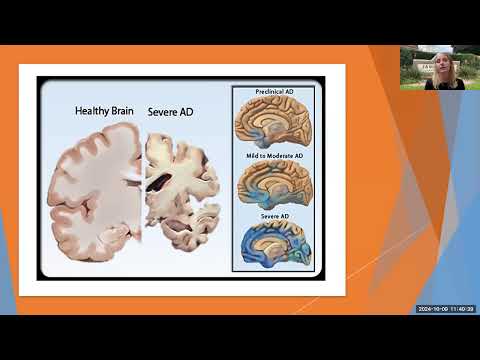 Coping with Sundowning & Sleep Issues as a Dementia CaregiverThis video offers a broader toolkit for managing sundowning, including non-drug strategies that complement melatonin use.
 Managing Sleep & Sundowning in Dementia CareThis video provides step-by-step guidance on creating a sleep-friendly environment and routine, which is essential for melatonin to work effectively.
2 more videos
 Dementia and Sundowning: Tips to Help You Manage SundowningThis video gives practical, real-world tips for handling sundowning moments, including what to say and do when agitation peaks.
 Light therapy for dementia? Does it work?This video explains the science behind morning bright light therapy, a key non-drug strategy that works synergistically with melatonin.
Background
What Is Sundowning and Why Does It Happen?
Sundowning refers to a cluster of symptoms, confusion, anxiety, agitation, pacing, wandering, yelling, or even hallucinations, that appear or worsen in the late afternoon and evening. It affects about 25% of people with Alzheimer's and is most common in the middle and late stages of dementia. The exact cause isn't fully understood, but one leading theory is that the brain of someone with dementia has to work extra hard all day to make sense of the world. By late afternoon, that mental effort wears the brain down, making it harder to distinguish reality from memories or to process what's happening around them. This exhaustion can trigger agitation, anxiety, and confusion. Another key factor is disruption of the body's internal clock, the circadian rhythm, which controls sleep-wake cycles. In dementia, especially Alzheimer's, this rhythm often becomes irregular, and the brain produces less of its own melatonin, the hormone that naturally signals the body to sleep. Shadows from the setting sun, fatigue, hunger, pain, or even a urinary tract infection can also trigger or worsen sundowning episodes.
How Might Melatonin Help?
Melatonin is a hormone our bodies produce naturally to regulate sleep and wake cycles. As we age, production decreases, and in dementia, this drop is even more pronounced. Some research suggests that a low dose of melatonin may help ease sundowning by improving sleep quality, extending total sleep time, and reducing evening agitation and confusion. Longer use, around 12 weeks, has been linked to potential improvements in cognitive function in some cases. However, the research is not definitive, and individual responses vary widely. Melatonin is not a sleeping pill; it's a hormone supplement that helps signal the body it's time to rest. It works best when paired with good sleep habits and non-drug approaches. Importantly, melatonin should never be used as a first-line treatment or as a replacement for addressing underlying causes like pain, hunger, or infection. Always discuss with your clinician before starting any supplement, as dosage, timing, and potential interactions with other medications need careful consideration.
Practical tools
4
Sundowning Log
Notebook or app (e.g., CareClinic) to record: symptom start time, preceding events (activity, light, noise, meal), interventions (melatonin dose/time, snack, bath), and overnight response. Bring to doctor visits.
Morning Light Exposure Routine
Daily 20–30 minutes of bright light within an hour of waking via sunlight or a 10,000-lux light box 16–24 inches away.
Low-Dose Melatonin (0.5–1 mg)
Sundowning-Friendly Environment Checklist
Posted near evening care area and reviewed by 4 p.m.:
Different situations
Lewy body dementia or Parkinson's disease dementia
People with Lewy body dementia are extremely sensitive to medications, including melatonin. Start with an even lower dose (0.25–0.5 mg) and watch for increased confusion, hallucinations, or movement problems. Melatonin may actually worsen REM sleep behavior disorder, which is common in Lewy body. Always discuss with a specialist before trying.
Late-stage dementia (bedbound, minimal communication)
Sundowning may show as restlessness, moaning, or repetitive movements. Focus on comfort: check for pain (arthritis, pressure sores), hunger, thirst, or a full bladder. Melatonin may help if sleep is fragmented, but start very low (0.5 mg) and monitor for sedation. Non-drug approaches like gentle touch, soft music, and a warm blanket are often more effective.
Early-stage dementia (still living at home, mostly independent)
Your loved one may still be able to participate in their own care. Involve them in choosing a calming evening routine: pick the music, choose a snack, decide on a bath or shower time. Melatonin may be helpful if they report trouble falling asleep, but encourage them to try bright light exposure and a consistent bedtime first. Keep a sleep diary together.
Spouse caregiver vs. adult child caregiver
Spouse caregivers often feel guilty about using any medication, fearing it's 'giving up.' Remind yourself that melatonin is a natural hormone, not a sedative, and using it short-term can prevent caregiver burnout. Adult children may feel more comfortable trying supplements but should still consult the parent's doctor. Both roles benefit from joining a caregiver support group to share strategies.
If your loved one is on other medications (blood thinners, diabetes drugs, antidepressants)
Melatonin can interact with blood thinners (warfarin, Eliquis) and increase bleeding risk. It can also affect blood sugar levels and interact with some antidepressants. Always provide a full medication list to the doctor before starting melatonin. The doctor may need to adjust doses of other medications.
If sundowning is severe (aggression, hitting, elopement risk)
Melatonin alone is unlikely to stop severe agitation. First, rule out a UTI or pain. Then, the doctor may prescribe a short-term medication like a low-dose antipsychotic or benzodiazepine, but these come with risks (sedation, falls, paradoxical agitation). Use melatonin only as an add-on, never as a replacement for medical care. Call 911 if your loved one is a danger to themselves or others.
Common questions
3
Should I use medication for sundowning?
Before reaching for medication, start with non-drug strategies like a calm evening routine, bright morning light, and checking for pain or hunger, these often work as well as or better than medicine. If those don't help, talk to the doctor about options like a low dose of melatonin (0.5–1 mg) given 30–60 minutes before bed, but use it short-term and under medical supervision.
What types of medication are used for sundowning, and what are the cautions?
Doctors may sometimes recommend melatonin to help signal sleep, or rarely other sedating medications, but melatonin is not a sleeping pill and high doses can cause daytime drowsiness or worsen confusion. Always discuss any medication with the doctor first, especially if your loved one has Lewy body dementia or takes blood thinners, and never use it without checking for underlying causes like infection or pain.
Is bright light therapy effective for sundowning?
Yes, morning bright light exposure is a powerful non-drug tool that can help reset the body's internal clock and reduce evening agitation, often working as well as or better than melatonin. Try getting your loved one outside for 15–30 minutes in the morning, or use a light box indoors, and pair it with a consistent, calm evening routine for best results.
For the doctor
6
- Ask your doctor: 'Is melatonin safe for my loved one given their current medications (especially blood thinners, diabetes drugs, or antidepressants)?'
- Ask your doctor: 'What is the right starting dose and timing for melatonin? Should I use a specific brand or formulation?'
- Ask your doctor: 'Could a urinary tract infection, sleep apnea, or pain be causing or worsening sundowning? Should we test for these?'
- Ask your doctor: 'If melatonin doesn't help after 2–4 weeks, what are the next steps? Are there prescription options we should consider?'
- Ask your doctor: 'How long is it safe to use melatonin? When should we try to taper off?'
- Ask the pharmacist: 'Does this melatonin product interact with any of my loved one's current medications?'