
Step by step
What not to do
- Don't beat yourself up for having negative thoughts. Adding self-judgment only creates another layer of stress, acknowledge the feeling without judgment, then move forward.
- Don't try to suppress or ignore negative thoughts. Pushing them away makes them come back stronger.Instead, notice them, acknowledge them, then choose a different thought.
- Don't assume your loved one's behavior is intentional. Remind yourself: 'This is the dementia talking, not my loved one.' This stops a spiral of resentment before it starts.
- Don't try to do everything alone. Asking for help is a sign of wisdom, not weakness. Let others bring a meal, sit with your loved one for an hour, or simply listen.
- Don't compare your caregiving to others. Focus on your own journey, your own small wins, and your own limits. You are doing the best you can with what you have.
Key points
- Negative thoughts are normal and human; don't judge yourself for having them.
- You can control your thoughts, even when you can't control the disease or your loved one's behavior.
- Ask yourself: 'Is this thought helping the situation?' If not, choose a more realistic one.
- Use the 'catastrophizing in reverse' exercise to reduce fear and build confidence.
- A daily gratitude practice builds resilience and balances negative thinking.
- Isolation makes negative thoughts worse; reach out to a support group, friend, or counselor.
- Self-care is not selfish, it's essential for your ability to care for your loved one.
Videos
 THIS is what you can control as a dementia caregiverThis video directly addresses the core idea that you can control your thoughts, which is the foundation of managing negative thinking. It's a short, powerful reminder that you have more power than you think.
 Dementia Caregiver Thoughts Part 2 of 3- How your thoughts impact your loved one with dementiaThis video explains the cycle: your thoughts affect your emotions, which affect how you treat your loved one, which affects how they respond. Understanding this cycle is key to breaking it.
 How to Manage GUILT ANGER HELPLESSNESS & Overwhelm Let me EASE YOUR MIND!This video offers compassionate, practical strategies for the intense emotions that often accompany negative thoughts, including guilt and anger. It's like a pep talk from someone who gets it.
 Caregiver stress related to dementia (Subtitles in Spanish)This video provides a clear overview of caregiver stress, including its physical and emotional effects, and offers tips for managing it. It's especially helpful if you prefer Spanish subtitles.
2 more videos
 How to Rebuild Life After CaregivingWhile this focuses on life after caregiving, it offers hope and perspective that can reduce negative thoughts about the future. It reminds you that there is life beyond this role.
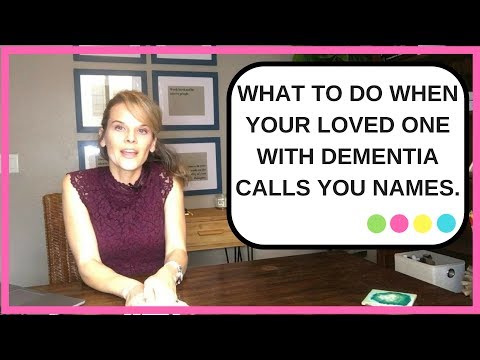 What to do when your loved one with dementia calls you mean namesThis video addresses a specific, painful situation that often triggers negative thoughts. It gives you concrete phrases and strategies to respond without taking it personally.
Background
Why Negative Thoughts Are So Common (and So Sticky)
As a caregiver, you're living with constant change, loss, and uncertainty. Your loved one's dementia is progressive, and every decline brings new challenges. It's completely normal to feel angry, sad, guilty, helpless, or resentful. These are human emotions, not signs of failure. The problem isn't having the thoughts, it's when they start to control your mood and actions, creating a negative cycle that makes caregiving even harder. You might think, 'I'm a terrible caregiver,' or 'They're doing this on purpose,' or 'This will never get better.' These thoughts feel true in the moment, but they are often distorted by stress and exhaustion.
Your thoughts directly affect your emotions, which then affect how you treat your loved one and how they respond to you. When you're thinking negatively, you're more likely to snap, withdraw, or feel resentful. Your loved one, in turn, may become more agitated or withdrawn, which reinforces your negative thoughts. This is the cycle you can break. The good news is that while you cannot control the disease, your loved one's behavior, or the situation, you can control your own thoughts. That is your power. Recognizing that you have this choice is the first step toward reducing your stress and improving your caregiving experience.
The Difference Between Feeling and Thinking
It's important to separate your feelings from your thoughts. Feelings like sadness, anger, and grief are natural and need to be acknowledged, not suppressed. You are allowed to feel them. The goal is not to never have negative feelings, that's impossible and unhealthy. The goal is to notice when your thoughts are making those feelings worse or keeping you stuck. For example, feeling sad because your loved one doesn't recognize you is one thing. But thinking, 'They don't love me anymore, and I'm worthless,' is a thought that adds unnecessary pain. That thought is not a fact; it's a story your stressed brain is telling you.
By becoming aware of these thoughts, you can gently question them. Ask yourself: 'Is this thought helping me or the situation?' If the answer is no, you have the power to choose a different thought, not a fake positive one, but a more realistic, less harsh one. For instance, instead of 'I can't do this anymore,' you might think, 'This moment is hard, but I've gotten through hard moments before.' This shift doesn't erase the difficulty, but it reduces the emotional weight and helps you respond more calmly. Over time, this practice can lower your stress, improve your sleep, and even protect your own health.
Practical tools
3
The 'Both/And' Statement
Hold two truths at once to ease pressure to feel only one way. Try: 'I am both my loved one's caregiver and a person with my own needs,' or 'I am both frustrated by this situation and doing my best.' Write your own and repeat them when you feel torn.
The 'Ridiculous, But I Could Handle It' Exercise
When feeling helpless about the future, imagine the worst thing that could happen. Then say: 'That's ridiculous. That's not going to happen. But if it did, I could handle it.' This shows most fears are exaggerated and that you are stronger than you think. Then break the actual situation into the smallest step you can manage right now.
The Three-Good-Things Journal
Each evening, write down three good things that happened, no matter how small, 'We had a peaceful breakfast,' 'My loved one smiled at me,' 'I got five quiet minutes with my tea.' This trains your brain to notice the positive, building resilience that softens negative thoughts over time.
Different situations
If you are caring for someone with Lewy body dementia (LBD)
LBD often involves vivid hallucinations, severe fluctuations in cognition, and Parkinson's-like symptoms. Your negative thoughts might focus on fear or confusion about what is real. In this case, the 'catastrophizing in reverse' exercise is especially helpful, imagine the worst-case scenario (e.g., a dangerous hallucination) and plan how you would handle it. Also, remind yourself often that the hallucinations are not deliberate; they are a symptom of the disease. Join a support group specific to LBD to hear from others who understand these unique challenges.
If you are an adult child caring for a parent
You may feel guilt about role reversal, or pressure from siblings or family expectations. Your negative thoughts might include 'I should have done more' or 'I'm not a good enough daughter/son.' Practice the 'both/and' statement: 'I am both a caregiver and a child, and that's okay.' Set boundaries with family members about what help you need. Consider family counseling if there is conflict. Remember that you are doing your best in a role you never asked for.
If you are a spouse caring for your partner
You may feel profound grief and loneliness, as the person you married is changing. Negative thoughts might include 'I've lost my partner' or 'This isn't fair.' Allow yourself to grieve openly. Use the gratitude practice to find small moments of connection. Consider couples counseling or a support group for spousal caregivers. It's also important to maintain your own identity outside of caregiving, even small hobbies or social connections matter.
If you are caring for someone in a facility
You may feel guilt about not being there 24/7, or frustration with staff. Your negative thoughts might include 'I abandoned them' or 'No one cares as much as I do.' Remind yourself that you are still a vital part of their care team. Visit regularly, but also give yourself permission to rest. Build a relationship with the staff, ask questions, share information about your loved one's preferences. Use the 'one small goal' approach: each visit, focus on one positive interaction or task.
If you are caring for someone with early-stage dementia
Your loved one may still be aware of their diagnosis and may express their own negative thoughts and fears. Your negative thoughts might include 'I can't handle what's coming' or 'I need to fix this.' Focus on the present moment. Use the 'ridiculous, but I could handle it' exercise to manage anxiety about the future. Have open, compassionate conversations with your loved one about their feelings. Plan for the future together while you can, but don't let planning overshadow today.
Common questions
6
How can I balance negative thoughts and choose better ones?
When a negative thought arises, pause and ask yourself, 'Is this thought helping the situation right now?' If not, gently replace it with a more realistic one, like 'I am doing my best in a very hard situation.'
How can I stop toxic thoughts like 'that's easier said than done' or comparing myself to others?
Notice when a toxic thought like 'that's easier said than done' appears, then deliberately name it as a 'trap thought.' Remind yourself, 'Comparing my caregiving to others steals my energy; I only need to focus on what works for us today.'
How can I stop blaming myself when a caregiving decision leads to a bad outcome?
Instead of spiraling into self-blame, ask yourself, 'Did I make this decision with the information I had at the time?' If yes, accept that caregiving involves tough choices and forgive yourself, blame doesn't help your loved one or you.
What can I do to help my loved one with bathroom problems in dementia?
To help with bathroom issues, establish a calm, predictable routine by taking your loved one to the bathroom at the same times each day, such as right after meals. Use simple, one-step verbal prompts like 'Let's go to the bathroom now' and praise any cooperation.
How can reminiscing with stored memories shift my loved one's mood?
When your loved one is upset, gently bring up a happy memory from their past, like a favorite vacation or a childhood pet, using a photo or a simple question. This can shift their mood from frustration to comfort by tapping into stored feelings of safety and joy.
How can I balance negative thoughts with positive possibilities?
When you catch yourself fixating on a worst-case scenario, try 'catastrophizing in reverse': list the most positive possible outcome, then a realistic middle-ground outcome. This trains your brain to see that negative thoughts are just one possibility, not the only truth.
For the doctor
4
- If negative thoughts are persistent, interfere with your sleep or appetite, or make you feel hopeless for more than two weeks, discuss this with your doctor. You may be experiencing clinical depression, which is treatable with therapy, medication, or both.
- If you are using alcohol, cannabis, or other substances to cope with negative thoughts or stress, talk to your healthcare provider. Substance use can worsen depression and anxiety and interfere with your ability to provide safe care.
- If you have thoughts of harming yourself or your loved one, seek immediate help. Call the 988 Suicide & Crisis Lifeline (in the US) or go to your nearest emergency room. You are not alone, and help is available.
- If you are experiencing physical symptoms like headaches, chest pain, or digestive issues that you think might be stress-related, discuss them with your clinician. Chronic stress can harm your health, and your doctor can help you manage it.