Step by step
What not to do
- Don't announce the move weeks in advance, each day will feel like a fresh shock of bad news.
- Don't try to reason, argue, or list logical reasons for the move, their brain can't process that, and it will only escalate conflict.
- Don't use words like 'permanent' or 'forever', stick to temporary language like 'for a little while' or 'until you feel better.'
- Don't take their anger or accusations personally, when they say 'you're putting me away,' remember it's the disease speaking, not your loved one.
Key points
- You do not have to tell the full truth. Therapeutic fibbing is a compassionate, evidence-based approach that reduces suffering.
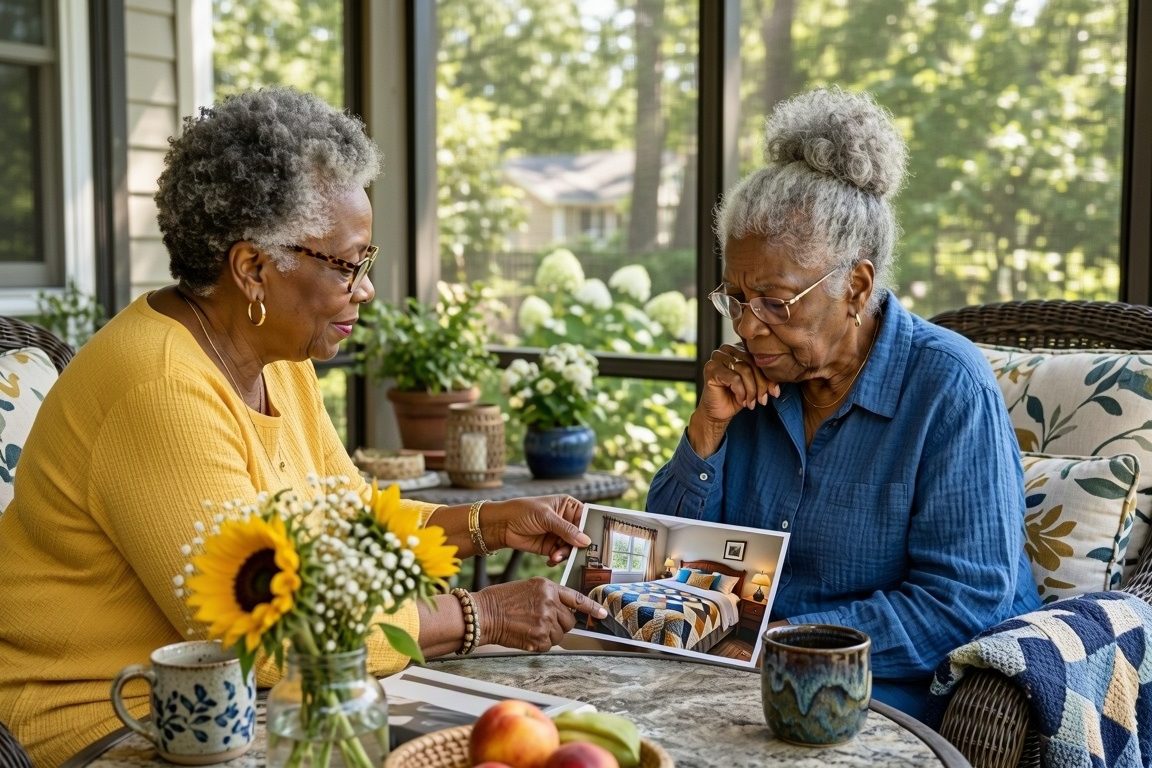
- Set up the new room with familiar furniture and photos before they arrive. This is one of the most powerful tools for reducing anxiety.
- Tell them only hours before the move, not weeks ahead. This prevents prolonged stress and arguments.
- Use a simple, temporary story (e.g., 'the doctor wants you here for a little while') rather than announcing a permanent move.
- Stay with them during the first few hours. Do not leave them alone immediately.
- Redirect 'I want to go home' with validation and comfort, not logic or correction.
Videos
 Tips For Moving Someone With DementiaProvides 10 practical tips for reducing transfer trauma, including setting up the room and using familiar objects.
 Should I Tell A Person With Dementia They Are Moving?Directly addresses the dilemma of disclosure and explains when therapeutic fibbing is appropriate.
 7 TIPS to get your loved one with dementia to move closer to familyOffers strategies for framing the move positively and using trial visits to ease the transition.
 DEMENTIA NURSING HOME TRANSITIONShares caregiver experiences and tips for making the move into a nursing home successful.
2 more videos
 The Do's and Don'ts of Visiting a Loved One with DementiaHelps you plan visits after the move to maintain connection and reduce their sense of abandonment.
 Should you tell a dementia patient that they are being moved to a Memory Care Facility?Explores the decision-making process and gives examples of successful therapeutic fibs.
Background
Why This Conversation Is So Hard
Moving is stressful for anyone, but for a person with dementia, it can be deeply disorienting and frightening. Their brain has trouble processing new information, remembering explanations, and understanding why they have to leave a familiar place. The term 'transfer trauma' describes the severe anxiety, confusion, and behavioral changes that can happen when someone with dementia is relocated. They may not remember being told about the move, so each time you bring it up, it feels like a fresh shock. Their world is built on routine and familiar surroundings; pulling them away can feel like pulling the rug out from under them.
Why Honesty Isn't Always the Best Policy
Many caregivers feel they must be completely honest about the move. But with dementia, the ability to reason and process complex information is damaged. Telling them weeks ahead can cause days or weeks of unnecessary stress, anxiety, and arguments. They may fight you, accuse you of betrayal, or become deeply agitated, and still not remember the conversation later. Experts in dementia care often recommend 'therapeutic fibbing' or 'compassionate lying' in these situations. This means telling a simpler, less upsetting story that helps them feel safe and cooperative. The goal is not to deceive but to protect their emotional well-being. For example, you might say the doctor wants them to stay for a short time to monitor medication, rather than announcing a permanent move.
The Role of Familiarity and Routine
Dementia makes the world feel foreign and scary. Familiar objects, photos, and even the layout of furniture can provide a lifeline of comfort. When a person with dementia sees their own couch, their favorite blanket, or a photo of their family, they can feel a tiny spark of recognition and safety. That's why setting up their new room to look as much like their old home as possible is one of the most powerful tools you have. If you can recreate the floor plan, putting the couch where it used to be, the table in the same spot, you give them visual anchors that say 'this is still my space.' This can dramatically reduce anxiety and the urge to wander or ask to go home.
Practical tools
4
Therapeutic Fib Script
Set of simple phrases instead of the full truth: 'The doctor wants you here for a few days to check your heart.' 'We're having the house painted, so you'll stay until it's done.' 'Dr. [Name] said you need to stay so the nurses can help with your [condition].' Keep it short, positive, and repeat it exactly each time, consistency makes it work.
Familiar Room Setup Checklist
Before move-in day, gather:
Arrange furniture to match their old bedroom layout as closely as possible.
Redirect and Validate Phrase Bank
When they say 'I want to go home,' respond with: 'I know, home is special. Let's look at these photos from home.' Or: 'We can't go right now, but let's have a cup of tea.' Or: 'Tell me about your favorite room at home.' Never argue, correct, or explain the move again, the feeling is about comfort, not location.
Trial Visit Strategy
Call the facility and ask about a 2-3 day trial stay. Frame it as a 'getaway' or 'visit to a nice hotel', do not mention permanence. If they seem comfortable after the trial, you can extend it. This reduces the shock of a permanent move.
Different situations
Lewy body dementia or Parkinson's dementia
These individuals may have more vivid hallucinations or paranoia. Avoid any story that could feed into delusions. Stick to very simple, concrete explanations like 'the doctor wants you here.' Be extra cautious about using therapeutic fibs if they are suspicious, they may detect the lie and become more agitated.
Late stage / advanced dementia
At this stage, they may not understand language at all. Do not try to explain the move verbally. Focus entirely on the environment: set up the room with familiar objects, use soothing music, and let the staff know their routines. Your presence and calm demeanor are more important than words.
Spouse vs. adult child as caregiver
If you are the spouse, your loved one may feel more betrayed or abandoned. Reassure them with phrases like 'I will be here every day, I'm not leaving you.' If you are an adult child, they may see you as a parent figure, use that authority gently. In both cases, avoid guilt and focus on safety.
Moving from home vs. moving from another facility
If they are moving from their long-term home, the loss is greater. Spend extra time setting up the room to feel like home. If they are moving from another facility, they may already be somewhat institutionalized, focus on continuity of routines and familiar staff if possible.
Medicaid or financial constraints
If the move is driven by finances, do not share that stress with your loved one. Use the 'bill shield' tool. If they ask about money, say 'everything is taken care of.' Your job is to protect them from worry they cannot act on.
Common questions
1
How do I help a person change clothes when they insist they already have?
Try handing them a single item at a time and say something neutral like, 'This one feels nice and soft today.' This avoids the argument and focuses on the comforting feel of the fabric.
For the doctor
5
- Ask the doctor: 'At my loved one's current stage of dementia, can they still understand and remember a conversation about a move? Or will it only cause distress?'
- Ask the doctor: 'Are there any medications or behavioral strategies that could help reduce anxiety during the transition?'
- Ask the doctor: 'Is my loved one at risk for transfer trauma? What signs should I watch for in the first week?'
- Ask the facility's social worker or nurse: 'What is your protocol for helping new residents settle in? Can you assign a consistent staff member to welcome them?'
- If your loved one has a history of aggression or severe anxiety, ask the doctor about a short-term medication adjustment during the first few days of the move.