Step by step
What not to do
- Do not wait until you are exhausted or a crisis occurs. Starting early helps your loved one adjust and prevents burnout.
- Do not assume all agencies are equal. Verify credentials, dementia training, and reviews; a poorly vetted agency can cause harm.
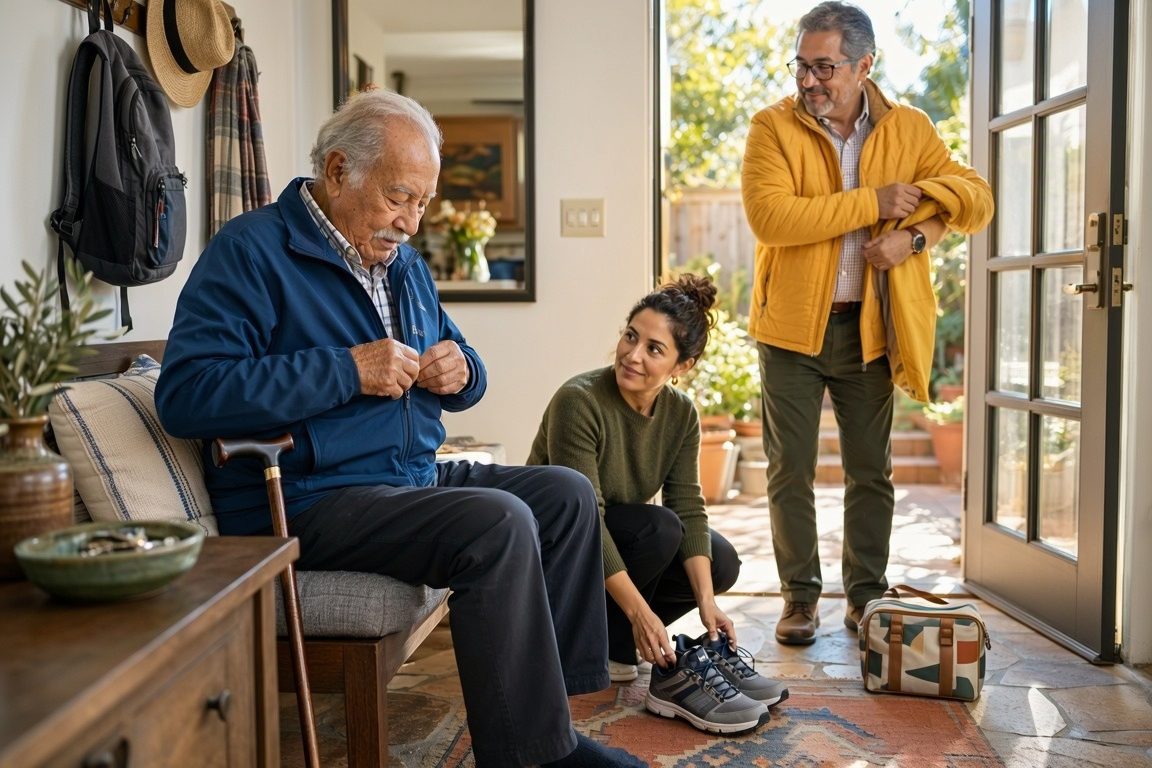
- Do not hide the caregiver or sneak them in, which breeds mistrust. Introduce them gently and honestly.
- Do not expect perfection from day one. Trust takes time; address issues calmly with the agency rather than quitting.
- Do not disengage after hiring help. Stay involved, visit during care, and monitor your loved one's well-being.
- Do not neglect your own health or guilt about needing support. Your rest directly benefits your loved one.
Key points
- Home care is non-medical support that helps a person with dementia stay at home safely and gives family caregivers a break.
- It includes personal care, memory care, companionship, and respite, and is customized to each person's needs.
- Start home care early, before you are exhausted or a crisis happens. It is easier to adjust to help when things are calm.
- Choose an agency carefully: look for dementia training, background checks, and 24/7 support. Interview multiple agencies and try a trial visit.
- Use the caregiver's time to truly rest and recharge. You are a better caregiver when you take care of yourself.
- Reassess needs regularly as dementia progresses, and be open to changing the type or amount of care.
Videos
 Top 10 Things About Home Care You May Not KnowThis video explains the basics of home care, including what it covers and how it can be customized. It helps you understand what to expect and how to decide if it is right for your family.
 What is Hospice?Hospice is a type of home care for end-of-life. This video clarifies what hospice is, who qualifies, and how it differs from home care. It can help you plan for future needs.
 An Interview with Jennifer Lagemann of NextJenn Copy Senior Care Copy and MarketingThis interview discusses how to find a trustworthy home care agency and what questions to ask. It offers practical tips for vetting agencies and avoiding common pitfalls.
 Dementia and Hospice: The Who, What, When, Where, and How of hospiceThis video focuses specifically on hospice for dementia patients, including when it is appropriate and how it works. It addresses common misconceptions and fears.
2 more videos
 What is Hospice Care?A clear, compassionate overview of hospice care, including who provides it and what services are included. It can help you understand the full spectrum of home-based care options.
 Hiring a paid dementia caregiver with Laura Smothers-ChuThis video gives step-by-step advice on hiring a caregiver specifically for a person with dementia. It covers how to interview, what to look for, and how to handle the transition.
Background
What Exactly Is Home Care?
Home care is a wide range of services provided in a person's home rather than in a hospital or care facility. For someone with Alzheimer's or another dementia, it can allow them to stay in familiar surroundings, which is often less confusing and more comforting. The care is customized to each person's unique needs and can include personal care (bathing, dressing, toileting), memory care (redirection, safety supervision), companionship (conversation, activities), and respite (giving you time to rest). It is not the same as home health care, which is skilled medical care ordered by a doctor for a specific illness or injury. Home care is primarily non-medical support, though it can work alongside home health or hospice services.
Why Is Home Care Important for Dementia?
Dementia is a progressive condition, and as it advances, the person may need help with tasks they once handled easily. Family caregivers often try to do everything themselves, but one person should not have to be responsible for 100% of the work. Home care provides a safety net that can prevent accidents, reduce caregiver burnout, and improve quality of life for both of you. It can also be a bridge between living independently and moving to a care community, allowing your loved one to stay home longer. Many families wish they had started home care sooner, because it reduces stress and helps everyone feel more supported.
What Does Home Care Include?
Home care can include a wide variety of tasks. Personal care covers help with bathing, dressing, grooming, toileting, and eating. Memory care involves using techniques to reduce anxiety, redirect from challenging behaviors, and keep the person oriented. Companionship means engaging in conversation, playing games, going for walks, or just being present. Respite care gives the family caregiver time to run errands, rest, or attend to their own health. Some home care agencies also provide light housekeeping, meal preparation, medication reminders, and transportation to appointments. The exact services are customized based on what your loved one needs and what you as the caregiver need help with.
Practical tools
6
Needs & Routines Checklist
One-page document listing daily routines, favorite foods, calming words, agitation triggers, emergency contacts, and medical info. Give a copy to every caregiver for consistency.
Caregiver Introduction Scripts
Simple phrases: 'This is Maria. She'll help us around the house so we have more fun time.' Or 'A friend named Sarah is coming to help today.' Keep it positive and label-free.
Daily Caregiver Log
Notebook or shared document where caregivers note activities, mood, food intake, and concerns after each visit. Helps you track changes early.
Agency Interview Questions
Short list:
Ensures quality match.
Agency Comparison Chart
Table with columns:
Fill in during interviews for side-by-side comparison.
Respite Time Planner
Pre-schedule your breaks on the calendar (hobby, nap, exercise, support group). Use caregiver hours for recharging, not chores.
Different situations
For a person with early-stage dementia
Focus on companionship and safety supervision. The person may still be independent but needs reminders for medications, help with complex tasks like finances, or someone to drive them to appointments. Use the caregiver to encourage social activities and mental stimulation.
For a person with late-stage dementia
Personal care becomes the priority: bathing, toileting, feeding, and positioning. The caregiver should have experience with advanced dementia and be trained in safe transfer techniques. You may need more hours, possibly overnight or 24/7 care. Discuss with the agency about having a consistent team to reduce confusion.
For a spouse caregiver vs. an adult child caregiver
Spouses often feel more guilt about hiring help and may need extra reassurance that it is okay to take breaks. Adult children may need to balance care with their own family and job, so they might need more flexible hours or weekend care. Both should prioritize their own health and seek support groups.
For someone with Lewy body dementia or Parkinson's disease dementia
These conditions often involve movement problems, hallucinations, and sensitivity to medications. The caregiver should be trained in fall prevention, how to respond to hallucinations without arguing, and how to recognize signs of medication side effects. Discuss with the agency if they have experience with these specific dementias.
For a person living alone with dementia
Safety is the top priority. The caregiver should check for hazards like unlocked doors, stove left on, or missed meals. Consider a camera system (with the person's consent if possible) to monitor when the caregiver is not there. You may need more frequent visits or a live-in caregiver.
For the doctor
5
- Ask your loved one's doctor if home health care (skilled nursing or therapy) is needed in addition to home care, especially after a hospitalization or fall.
- Discuss with the doctor whether your loved one qualifies for hospice care, which provides extra support for end-of-life comfort and is covered by Medicare Part A.
- Ask about any medications that might affect the type of care needed, such as those for agitation, sleep, or pain, and how the caregiver should handle them.
- If your loved one has a history of falls or wandering, ask the doctor about a referral to a physical therapist for a home safety evaluation.
- Discuss with the doctor or a social worker about financial assistance programs like Medicaid waivers that may help pay for home care.