Step by step
What not to do
- Do not wait until a crisis. Many families end up in emergency planning mode after a fall, a hospitalization, or a sudden decline. This leads to rushed, expensive decisions and regrets. Start early, even if it feels uncomfortable.
- Do not assume 'simple' means the same thing to everyone. One person's simple is a graveside service with no flowers; another's is a potluck with an Elvis impersonator. Get specific. Write down exactly what 'simple' means to your loved one.
- Do not pre-pay without understanding the contract. Some pre-paid plans are not refundable if you change your mind or move. Ask if the money is held in a trust or insurance policy, and whether it is transferable to another funeral home. Discuss with a financial advisor or elder law attorney if you are unsure.
- Do not keep the plan a secret. If only one person knows the wishes, that person becomes the sole decision-maker under pressure. Share the plan with at least two trusted family members or friends so the burden is shared.
- Do not forget to plan for your own funeral too. As a caregiver, you are at higher risk of burnout and health problems. Pre-planning your own funeral is a gift to your children or other loved ones. It spares them the same stress you are trying to avoid for your family now.
Key points
- Pre-planning a funeral is a gift that spares your family from making rushed, expensive decisions while grieving.
- Pre-funding locks in today's prices, protecting against inflation and financial strain.
- Start the conversation early, while your loved one can still express their wishes.
- Be specific about what 'simple' means, write down every detail from music to who speaks.
- Share the plan with at least two trusted family members so the burden is not on one person.
- Review and update the plan yearly or after major life changes.
Videos
 Conscious Caregiving with L & L - 'End of Life Care'This video offers a compassionate perspective on end-of-life planning, including funeral pre-planning, and how it can reduce stress for both the caregiver and the person with dementia.
 Anticipatory & Ambiguous Grief: How to Grieve the Loss of the Living & the Unknown FutureUnderstanding anticipatory grief helps you see pre-planning as a way to channel that grief into meaningful action, rather than letting it overwhelm you.
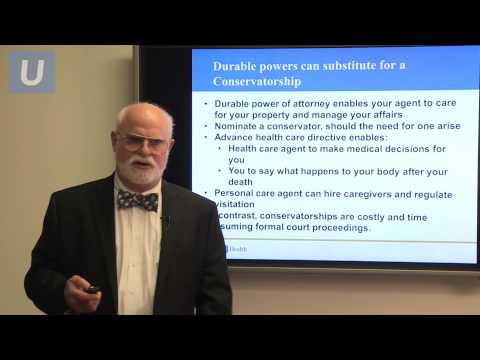 Elder Law: Protecting & Caring for Patients with Dementia | Marc B. Hankin | UCLAMDChatThis video covers legal and financial aspects of dementia care, including how to protect assets and plan for end-of-life expenses, which is directly relevant to pre-funding funerals.
 Caregiver SacrificesThis video highlights the sacrifices caregivers make and reinforces why pre-planning is a way to reduce future burdens on yourself and your family.
2 more videos
 Loving a husband with dementiaA personal story that shows the emotional weight of caregiving and how planning ahead can bring peace, even in the hardest moments.
 Being a Working Caregiver in the Sandwich GenerationFor caregivers juggling work, kids, and elder care, pre-planning is a practical way to save time and mental energy later.
Background
Why Pre-Planning Is a Gift, Not a Chore
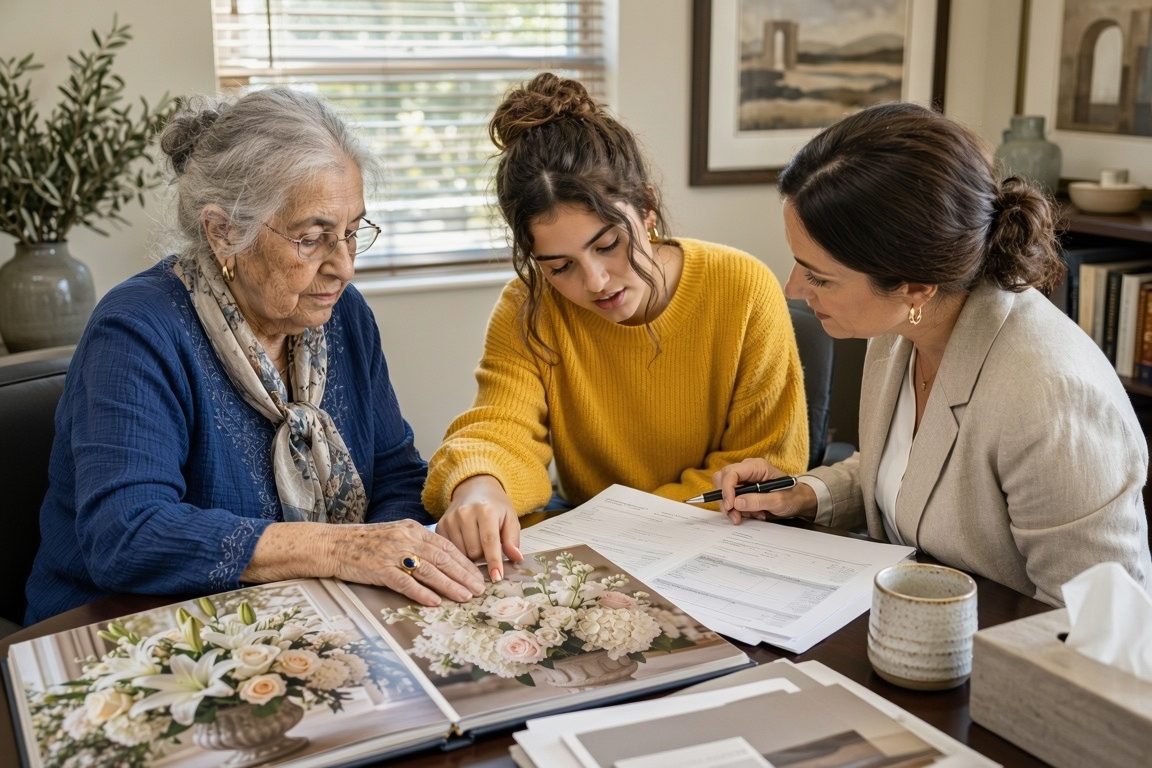
Many caregivers avoid talking about funerals because it feels morbid or too painful. But as one caregiver shared, their mother had everything planned out, music, readings, everything, while their father-in-law had no plans at all. The difference in the burden on the family was huge. Pre-planning is not about dwelling on death; it is about giving your family the gift of clarity and peace when they are already heartbroken. When you pre-plan, you remove the impossible task of making dozens of decisions under the crushing weight of grief. Instead, your family can focus on being present with each other and honoring your loved one's life, not scrambling to figure out what to do next.
The Financial and Emotional Benefits Are Real
One of the most practical benefits of pre-planning is financial. Inflation affects funeral and cemetery costs just like everything else. When you pre-fund your arrangements, you lock in the current price, protecting your family from future price increases. This is especially important for families on a fixed income or those worried about depleting assets for Medicaid eligibility. But the emotional benefit is just as powerful. Pre-planning gives you a chance to have conversations about legacy, forgiveness, and final wishes while your loved one can still participate. It turns anticipatory grief into an opportunity for connection, not just loss.
What Pre-Planning Actually Looks Like
Pre-planning is not just picking a casket. It means deciding the type of service (traditional burial, cremation, green burial, or a celebration of life), choosing music, readings, and who will speak. It means deciding on a cemetery plot or cremation niche, and whether you want a viewing or a closed casket. It also means putting those decisions in writing and, if possible, pre-paying so the price is locked. One funeral director shared a story of a person who said they wanted a 'simple service' but also wanted an Elvis impersonator, showing that 'simple' means different things to different people. Pre-planning forces you to be specific, which prevents confusion later.
Practical tools
4
The 'Wishes & Words' Conversation Starter
A simple phrase to open the talk: 'I want to make sure we honor you, not guess what you would want. Can you tell me one song you'd like at your service, or one person you'd want to speak?' Start small. Write down their answers in a notebook labeled 'Final Wishes.' This tool turns a scary topic into a loving conversation.
Pre-Planning Checklist
Create a checklist with these items:
Check each item off as you decide.
Price Lock-In Worksheet
Call three funeral homes and ask for a written price list for their pre-need packages. Compare the cost of a basic service, cremation, burial, and any extras like a viewing or reception. Write down the total and the date the price is locked. Keep this worksheet with your plan so you know you got the best deal.
The 'Legacy Letter'
Write a letter to your family explaining why you made these choices. For example: 'I chose cremation because I always loved the ocean, and I want my ashes scattered at our favorite beach. I chose this song because it reminds me of dancing with your dad.' This letter becomes a treasured keepsake and removes any guilt or second-guessing.
Different situations
Late-stage dementia (when your loved one can no longer communicate their wishes)
If your loved one is already in late-stage dementia and cannot participate, you must rely on any earlier conversations or written documents. If none exist, use your best knowledge of their values and preferences. Consider consulting with a hospice social worker or elder law attorney to ensure your decisions align with what they would have wanted. You may also need to involve a guardian or conservator if there is no advance directive.
Spouse vs. adult child caregiver
If you are the spouse, you likely know your partner's wishes from years of shared life. Still, write them down. If you are an adult child, you may need to gently ask your parent about their preferences, especially if siblings disagree. Adult children often feel guilt about 'making decisions', pre-planning removes that guilt because the parent's wishes are clear. If siblings are involved, hold a family meeting to review the plan together so everyone feels heard.
Medicaid or limited finances
If your loved one is on Medicaid or has very limited assets, pre-paying for a funeral can be a way to protect a small amount of money from being counted as an asset for Medicaid eligibility. In many states, you can set aside up to a certain amount (often $1,500 to $5,000) in a pre-need funeral trust without affecting eligibility. Discuss this with an elder law attorney or Medicaid planner to ensure you do it correctly.
Different types of dementia (Lewy body, frontotemporal, vascular)
The timing of pre-planning matters. In Lewy body dementia, cognitive fluctuations can make it hard to have a coherent conversation one day but easier the next. Try multiple short conversations. In frontotemporal dementia, personality changes may mean their wishes shift, revisit the plan every few months. In vascular dementia, sudden declines after strokes mean you should plan as early as possible, before another stroke affects their ability to decide.
For the doctor
4
- Ask your loved one's doctor: 'Is my loved one still able to make informed decisions about funeral planning, or should I rely on their advance directive?'
- Ask a hospice social worker or palliative care team: 'Are there local resources that can help us with pre-planning, especially if we have limited funds?'
- Ask an elder law attorney: 'If we pre-fund a funeral, will that affect my loved one's Medicaid eligibility or estate recovery?'
- Ask a funeral director: 'What happens if we move to another state after pre-paying? Is the plan transferable?'