
Step by step
What not to do
- Do not assume you know their culture based on a label. Stay curious: 'What music did you enjoy when you were young?'
- Do not rush care. Rushing triggers anxiety and resistance; allow time for processing.
- Do not correct them when they mix languages or struggle for words. Respond with warmth in their language or use gestures and kind tone.
- Do not overlook cultural norms around modesty, touch, and gender. Ask permission, explain actions, and use draping during bathing or toileting.
- Do not assume they remember your role or name. Reintroduce yourself each time to protect them from fear of a stranger providing intimate care.
- Do not neglect your own needs. Burnout helps no one; let grief guide your boundaries instead of guilt.
Key points
- Cultural humility means staying curious and humble, not being an expert on someone's culture.
- Preserve dignity by accepting your loved one where they are, not where you think they should be.
- Non-verbal communication, touch, eye contact, tone, is more powerful than words in dementia care.
- If they revert to their first language, join them there; do not correct or insist on English.
- Simplify tasks, slow down, and use one-step instructions to reduce anxiety and resistance.
- Take care of yourself: give yourself permission to step back, use anchor rituals, and seek support.
Videos
 PAC Live at 5 - Singing With Mary SueDemonstrates how music and familiar cultural activities can create connection and comfort, even when verbal communication is limited.
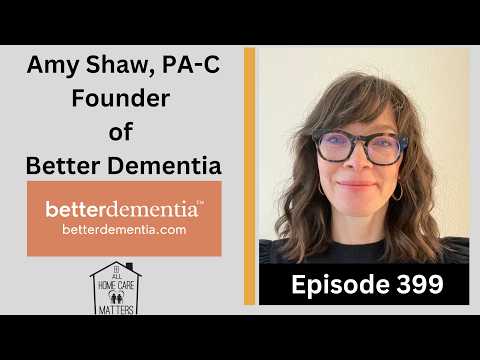 Amy Shaw, PA-C Founder of Better DementiaOffers practical medical and emotional strategies for caregivers, emphasizing the importance of humility and observation.
 Grief After the Diagnosis of DementiaHelps caregivers process their own grief, which is essential for maintaining the emotional capacity to practice cultural humility.
 6 ways to make dementia care tasks easier: Respect and Dignity in dementia careProvides concrete, step-by-step strategies for hands-on care tasks that preserve dignity and respect, core to cultural humility.
2 more videos
 When You Want to Walk Away From Dementia Caregiving (But Can't)Addresses caregiver burnout and the emotional challenges that can make cultural humility difficult, offering permission to seek help.
 What to do when a person with dementia refuses care: 6 simple strategiesTeaches non-confrontational approaches to resistance, which is often rooted in cultural or personal dignity concerns.
Background
What Is Cultural Humility and Why Does It Matter in Dementia Care?
Cultural competence is the practice of learning facts about someone's background, their country, traditions, food preferences, or language, so you can tailor care. But dementia care expert Teepa Snow points out that we cannot know everything about every person's world. Cultural humility is a shift: instead of being an expert on their culture, you become a humble learner who stays curious about who they are right now, moment by moment. This matters because dementia can cause a person to lose their more recently acquired language and revert to their first language, or to express emotions and needs through cultural patterns that may seem unfamiliar to you. If you assume you already know what they need based on a cultural label, you may miss what their brain is actually communicating today.
Why Dignity and Respect Are the Foundation of Cultural Humility
Preserving dignity means accepting your loved one exactly where they are in their journey, not expecting more than their brain can do. The 'broken arm analogy' from All Home Care Matters is powerful: you would not ask someone with a broken arm to carry groceries. When parts of the brain are failing, you must align your expectations with their current capabilities. Cultural humility adds another layer: their sense of dignity is shaped by a lifetime of cultural values, like filial piety, modesty, or the importance of same-sex caregivers. If you rush into a care task without honoring those values, you may trigger resistance, shame, or withdrawal. The goal is to create an environment where they feel safe, seen, and respected as the adult with a rich life history they are, not as a child or a diagnosis.
How Dementia Changes Communication and Cultural Expression
Only about 7% of communication gets through via words; the rest is body language, facial expression, and touch. When dementia affects language, a person may lose their second language first and revert to their native tongue. They may also express pain, fear, or confusion through behaviors that are culturally shaped, for example, a person from a culture that values stoicism may not complain but may become agitated or withdrawn. Cultural humility means you do not assume the behavior is 'just dementia'; you ask yourself what their lifelong cultural norms might be telling you. You also recognize that your own cultural background shapes how you interpret their actions. Slowing down, using gentle touch, and making eye contact are universal tools that build trust across cultural differences.
Practical tools
5
Broken Arm Check-In
Before any care task, ask: 'Would I ask someone with a broken arm to do this?' If no, don't ask your loved one. Aligns expectations with their brain's current abilities.
One-Step Script
Use single-step instructions with warm tone, pausing between each: 'Please sit down.' (Pause.) 'Now lift your arm.' (Pause.) Avoid multi-step commands.
Comforting Touch Technique
Before speaking, place your warm hand gently on their back or shoulder and rub slowly. Stay silent a few seconds. Communicates safety before words.
Cultural Cue Card
Keep index card or phone note with key phrases in their first language, 'You are safe,' 'I am here', plus their preferences for music, food, prayer times, modesty, touch. Update as you learn.
What Matters to Me Profile
Create one-page profile while they can contribute:
Share with all caregivers.
Different situations
For a person with Lewy body dementia (LBD)
LBD often involves visual hallucinations and fluctuating cognition. Cultural humility here means joining their reality rather than arguing. If they see a person in the room, say 'I will take care of that. Let's move to the kitchen while I do.' Do not dismiss their experience as 'not real.' Also, LBD patients may be very sensitive to touch and temperature; use gentle, predictable touch and keep the environment calm.
Late-stage dementia (bedbound, minimal verbal communication)
Focus entirely on non-verbal comfort: gentle touch, familiar music, and the scent of a favorite food or lotion. Use their first language for simple phrases even if they do not respond. Assume they can hear and understand tone. Preserve dignity by keeping them covered, speaking respectfully, and involving them in care with phrases like 'I am going to turn you now.'
Adult child caregiver vs. spouse caregiver
Adult children may struggle with role reversal and cultural expectations of filial piety. Give yourself permission to set boundaries: 'I love Mom, but I cannot do this alone. Let's find help.' Spouse caregivers may feel a loss of partnership. Honor that grief by acknowledging it: 'I miss the person you were, and I am learning to love you as you are now.' Both roles benefit from respite care and support groups.
Care in a facility (nursing home, memory care)
Advocate for your loved one's cultural needs with staff. Provide a 'cultural care card' that lists preferred language, food, music, religious practices, and modesty preferences. Visit during care times to model gentle, humble approaches. If staff are from a different culture, educate them gently: 'In our family, we always say grace before meals. Could we do that?'
For families with limited English proficiency or immigrant backgrounds
Seek bilingual care resources and community organizations that understand your culture. Use video calls with relatives who speak the same language to help with validation and comfort. Do not feel pressured to use English if your loved one is more comfortable in their native language. Your cultural humility includes honoring your own need for support in your language.
For the doctor
3
- If your loved one is experiencing hallucinations or delusions that are culturally unfamiliar to you, discuss with their doctor whether medication adjustments or non-pharmacological approaches are appropriate. Do not assume all unusual perceptions are dementia-related; some may be culturally normal expressions of grief or spirituality.
- If your loved one is refusing care due to modesty or cultural norms around touch, ask their clinician for a referral to an occupational therapist who specializes in dementia. They can provide strategies for bathing and dressing that respect cultural preferences.
- If you are feeling overwhelmed, depressed, or unable to cope, discuss this with your primary care provider. Caregiver burnout is real and treatable. Ask about support groups, counseling, or respite care options in your community.