Step by step
What not to do
- Do not bottle up emotions until they explode, take a 5-minute break as soon as tension rises.
- Do not skip meals, hydration, or sleep for caregiving, set a timer to eat, drink, and rest 20 minutes.
- Do not answer every repeated question patiently, use distraction (point to a bird, start a new activity) to protect your energy.
- Do not compare your caregiving to others' curated social media, unfollow accounts that worsen your stress.
Key points
- Isolation is not your fault, it's a setup for stress that no human was meant to handle alone. Reach out, even for a 60-second text.
- Three deep diaphragmatic breaths can drop cortisol and raise endorphins instantly. Use this as your go-to reset.
- Paying it forward in tiny ways, a text, a card, a kind word , restores your sense of purpose and connection.
- Break down the big scary problem of isolation into one small action you can take right now.
- Maintain one leisure activity you love, even if it's just 10 minutes a day. It changes your entire caregiving journey.
- You can't believe everything you think. Challenge worst-case-scenario thoughts with a tiny, concrete action.
Videos
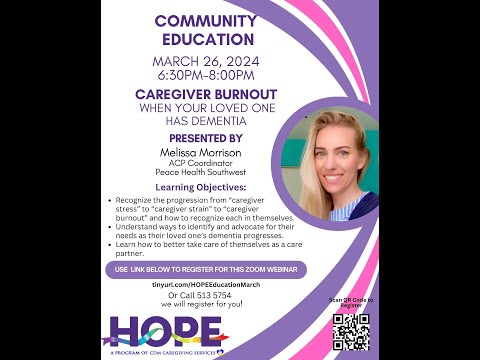 Caregiver Burnout when your Loved One has DementiaThis video directly addresses the cumulative stress of caregiving and offers practical breathing techniques and mindset shifts to prevent burnout during isolation.
 Spirituality Corner - October 2020 Online Dementia JournalTeepa Snow discusses the concept of 'paying it forward' as a way to keep your spirit up during the pandemic, a key tool for finding purpose when you're stuck at home.
 Caring for the CaregiverThis video covers the importance of self-care, taking breaks, and managing stress, all essential for coping with isolation as a caregiver.
 Ambiguous Loss in a Time of Pandemic with Pauline BossPauline Boss explains the concept of ambiguous loss, which is especially relevant when isolation makes you feel like you've lost your loved one even while they're still here.
2 more videos
 Live on TikTok | Brains in Jeopardy at Yonder BarThis live session offers real-time Q&A about dementia behaviors and caregiver stress, giving you a sense of community and connection even from home.
 Moving a mom with dementia into your home and a care facilityThis video addresses the emotional and practical challenges of caregiving at home, including the isolation that comes with it, and offers strategies for finding support.
Background
Why Isolation Feels So Heavy for Caregivers
Isolation during a pandemic, or any long stretch of being stuck at home , is especially brutal for family caregivers because you lose the very things that keep you going: a quick coffee with a friend, a support group meeting, even just a few minutes alone in the car. When you're caring for someone with dementia, you're already running on high stress. Add a lockdown, and that stress doesn't just stay , it builds. As one expert explains, sustained distress dumps cortisol into your system, a hormone that can mess with your sleep, your mood, and even your physical health over time. You might start to withdraw, blame yourself, or feel like you're coming apart at the seams. That's not weakness; that's your body and brain screaming for relief.
The Hidden Toll of Losing Your Emotional Supports
Humans regulate stress through connection, it's called co-regulation. When you're isolated, even in a room full of people, your nervous system has nowhere to offload that tension. One care partner described it as 'emotional isolation accelerates burnout, not because you're weak, but because caregiving was never meant to be done in total emotional isolation.' Without your usual outlets , a support group, a friend who gets it, a church community , the pressure cooker just keeps building. You might start to feel guilty for wanting a break, or guilty for not enjoying every moment with your loved one. That guilt is a nasty concoction that makes everything worse. The key is to recognize that isolation is the problem, not you.
Purpose Gets Blurry When You're Stuck Inside
Purpose often comes from feeling useful, connected, and like you're making a difference. But when you're isolated, your world shrinks to the four walls of your home and the same caregiving tasks on repeat. You might wonder, 'What am I even doing with my life?' That's normal. One dementia care expert talks about 'paying it forward' as a way to keep your spirit up, doing something small for someone else, even from home, that reminds you you still matter. Another caregiver shared that resilience is the only answer when you're faced with a problem with no solution, and that dementia can be 'a gift wrapped in a really strange package' , meaning you can find growth and meaning even in the hard parts. The trick is to break down the big, scary problem of isolation into tiny, doable actions that give you a sense of control and purpose.
Practical tools
3
The 3-Breath Reset
In for 4 counts, hold for 4, out for 6. Say: 'I can take three breaths before I react.' Use before difficult interactions or when pressure builds.
The Distraction Switch
When a repeated question comes, pivot quickly: 'Look at that bird!' or 'Let me show you this photo.' Then move to a new activity (snack, walk, folding towels).
The 5-Minute Reentry Break Checklist
Post on fridge:
Use every 2 hours.
Different situations
If your loved one has Lewy body dementia
Isolation can worsen hallucinations and paranoia. Keep a consistent daily routine with clear visual cues (like a clock and calendar). Use the distraction switch more often, point to something real in the room to ground them. Your own stress management is even more critical because your loved one may pick up on your anxiety and become more agitated.
If you are a spouse caregiver vs. an adult child
Spouses often feel a deeper loss of partnership and may struggle with guilt about wanting space. Adult children may feel torn between their own family and the caregiving role. Spouses: schedule a 'date' at home, watch a movie together, look at old photos. Adult children: set firm boundaries for your own family time, even if it's just 30 minutes a day where you don't answer caregiving calls.
If your loved one is in a facility and you can't visit
Isolation here is double, you're separated from them, and you're stuck at home alone. Focus on 'paying it forward' by writing letters, sending care packages, or calling the facility to check in. Schedule a daily time to call or video chat, even if they don't remember. Your purpose shifts from hands-on care to emotional connection and advocacy.
If you are on a low income or have no outside help
You may feel trapped because you can't afford respite or delivery services. Focus on free tools: the 3-breath reset, the uplifting news swap, and the one-question journal. Call your local Area Agency on Aging to ask about free caregiver support groups or respite vouchers. Even one hour a week of free help can make a difference.
If your loved one is in early stage vs. late stage
In early stage, you can do activities together that give purpose, like sorting photos, listening to music, or doing a simple puzzle. In late stage, your purpose shifts to providing comfort and dignity. Use the 5-minute reentry break more often because the physical demands are higher. In late stage, your own self-care is not optional , it's essential for you to be present.
For the doctor
4
- If you are experiencing chest pain, shortness of breath, or thoughts of harming yourself or your loved one, seek immediate medical help.
- If you find yourself relying on alcohol, smoking, or other substances to cope with the stress of isolation, discuss this with your doctor or a therapist.
- If you have a pre-existing condition like high blood pressure, diabetes, or heart disease, ask your clinician how chronic stress and isolation might affect your condition and what monitoring you should do.
- If you are considering starting a new medication for anxiety, depression, or sleep, discuss this with your healthcare provider, do not start or stop any medication without medical guidance.