Step by step
What not to do
- Don't force laughter when your loved one is upset; first acknowledge their feelings before shifting toward something pleasant.
- Don't compare your caregiving journey to anyone else's; focus on what works for the two of you today.
- Don't abandon your own hobbies, carve out at least 20 minutes daily for something you love.
- Don't use humor to mask your own pain; it's okay to cry and grieve while also seeking joy.
- Don't expect your loved one to initiate fun, the disease often takes away planning, so you must start it.
- Don't feel guilty laughing at a mishap like a spilled cup; it releases pressure and reminds you perfection isn't the goal.
- Don't use humor that depends on memory, wordplay, or fast wit; favor slapstick, music, and familiar stories instead.
Key points
- Joy and laughter are not disrespectful, they are healing for both you and your loved one.
- You don’t need to wait for a ‘good day’ to find joy; create small moments intentionally.
- Use simple tools like music, props, and photo albums to spark connection.
- Give yourself permission to laugh, even when things go wrong, it’s a coping skill, not a betrayal.
- Protect your own leisure time; caregivers who do are healthier and more resilient.
- Every dementia journey is different, adapt these ideas to your loved one’s current abilities and mood.
Videos
 The Caregiver's Journal with Lance A. Slatton with Cindy (PT) & Christina (ST) "Joy in Caregiving"This video directly addresses how to find joy in the caregiving role, with practical tips from professionals and caregivers.
 Welcome Founder of The Carefullist Katie KristoficKatie Kristofic shares her personal journey of finding joy and purpose in caregiving, offering relatable stories and encouragement.
 Discover The Connecting Caregivers Conference with Linda BurhansThis video highlights community and connection, which are key to finding joy and reducing isolation in caregiving.
 Dementia Caregiver Compassion Fatigue and ways to copeUnderstanding compassion fatigue helps you recognize when you need to prioritize self-care and joy to prevent burnout.
2 more videos
 What Is It Like To Be A Caregiver Alzheimer's DementiaThis video provides a raw, honest look at the caregiver experience, normalizing the struggle and the need for joy.
 Anticipatory Grief and Secondary Loss: Zinnia Caregiver SupportGrief and joy can coexist; this video helps you navigate the emotional complexity of caregiving while still finding moments of peace.
Background
Why Joy Feels Impossible (But Isn’t)
When you’re in the thick of caregiving, managing medications, cleaning up accidents, dealing with confusion, it’s natural to feel that joy is a luxury you can’t afford. Many caregivers feel guilty for wanting to laugh or have fun, as if it disrespects their loved one’s suffering. But research and lived experience show that caregivers who maintain their own leisure activities and find moments of joy come through the journey with a vastly different, more positive outlook. The disease doesn’t take away the person’s ability to feel connection; it just changes how you find it.
The Science of Laughter and Connection
Laughter releases endorphins, reduces stress hormones, and strengthens bonds. For someone with dementia, a shared laugh can bypass language and memory loss, creating a moment of pure connection. As one expert notes, “Crying intimacy is laughing with somebody, people need that intimacy all through their life to the very end.” When you laugh together, you’re not ignoring the disease; you’re honoring the person who still exists. This is not about laughing at your loved one, but with them, finding humor in a silly mistake, a funny face, or a shared memory.
The Permission to Have Fun
Many caregivers feel it’s inappropriate to play or have fun when their loved one is declining. But the opposite is true: allowing joy into the relationship can reduce your own stress and improve your loved one’s mood. As one caregiver shared, “I wanted it to be the most joyful time. I wanted my mother to find the joy in whatever we could find and just laugh and have fun.” You are not betraying your role by seeking lightness, you are enriching it. The tasks of caregiving (meds, feeding, toileting) are important, but they are not the whole story. The moments of holding hands, telling a joke, or dancing to an old song are what make the journey bearable.
Practical tools
6
Joy Jar
Keep a jar and slips of paper nearby. Each day, write one sweet or funny moment and drop it in. On hard days, pull out a few slips to read together.
Silly Song Script
When frustration rises, sing what you're doing to a simple tune like 'Row, Row, Row Your Boat' (e.g., 'Brush, brush, brush your teeth'). The absurdity dissolves tension.
Photo Album of Happy Times
Prepare a small album of 10–15 photos from your loved one's life (weddings, pets, vacations). When a mood lift is needed, look through it with simple captions.
Laughter Yoga Breath
When overwhelmed, inhale deeply and exhale with a clear 'ha ha ha' sound. Repeat 3–5 times; the physical act can trigger genuine laughter and lower cortisol.
Weekly Fun Date Calendar
Block one hour weekly on the calendar as a 'fun date' and treat it like an appointment. Ideas: watch a funny movie, bake together, or sit outside and watch birds.
Gratitude Rock
Carry a smooth rock in your pocket. Each time you touch it, pause and name one thing you're grateful for in that moment, this anchors you in the present.
Different situations
Late-stage dementia / bedbound loved one
Focus on sensory joy: gentle hand massage with scented lotion, playing soft music, or sitting quietly holding hands. Laughter may be a soft smile or a squeeze of your hand. Your joy comes from being present, not from a big reaction.
Lewy body dementia (with hallucinations or paranoia)
Be cautious with humor that could be misinterpreted. Avoid sarcasm or teasing. Instead, use gentle, predictable routines and calm music. Laughter may come from shared silly movements (like wiggling fingers) rather than verbal jokes.
Adult child caregiver vs. spousal caregiver
Adult children may feel more guilt about ‘having fun’ because they are in a role reversal. Spouses may feel they are losing their partner. Both need permission to seek joy. Adult children can benefit from setting boundaries (e.g., ‘I will laugh with Mom, not at her’). Spouses may need to grieve the loss of their old relationship while finding new ways to connect.
Caregiver living with the person vs. visiting from a distance
If you live together, you have more opportunities for micro-moments of joy, a silly face at breakfast, a shared laugh over a TV show. If you visit, plan a specific ‘fun activity’ for each visit (e.g., bring a funny video or a simple game). Don’t spend the whole visit on tasks.
When your loved one is in a facility
Visit during non-stressful times (not during meals or bathing). Bring a prop (like a funny hat) or a photo album. Keep visits short and upbeat. If your loved one is agitated, don’t force joy, just sit quietly and hold their hand. Your calm presence is enough.
Common questions
7
Is it okay for caregivers to use humor in the dementia journey?
Yes, absolutely. Humor is not disrespectful, it's a powerful healing tool for both you and your loved one, and it can break tension and create real connection.
How can caregivers maintain hope, positivity, and humor while caring for someone with Alzheimer's?
You can maintain hope by intentionally creating small positive moments each day, like sharing a funny memory or playing a favorite song; give yourself permission to smile and laugh without guilt.
Why is joy important for someone with dementia?
Joy helps your loved one feel safe, connected, and calm in the present moment, reducing agitation and lifting their mood even when memory is failing.
What are glimmers and how can they help me feel less stressed as a caregiver?
Glimmers are tiny moments of peace or delight, like your loved one’s smile or a sudden laugh; noticing them can shift your focus from stress to small pockets of warmth, building resilience.
Why is laughter important in Alzheimer's caregiving?
Laughter releases endorphins, lowers stress hormones, and strengthens your bond, it gives you both a lighthearted break from the heaviness of the disease.
How can humor be used effectively during difficult caregiving moments?
During a difficult moment, try redirecting with gentle humor, like saying 'Oops, looks like our socks got swapped!' or making a silly face, to defuse frustration without dismissing their feelings.
How can I find joy and playfulness while caring for someone with advanced Alzheimer's?
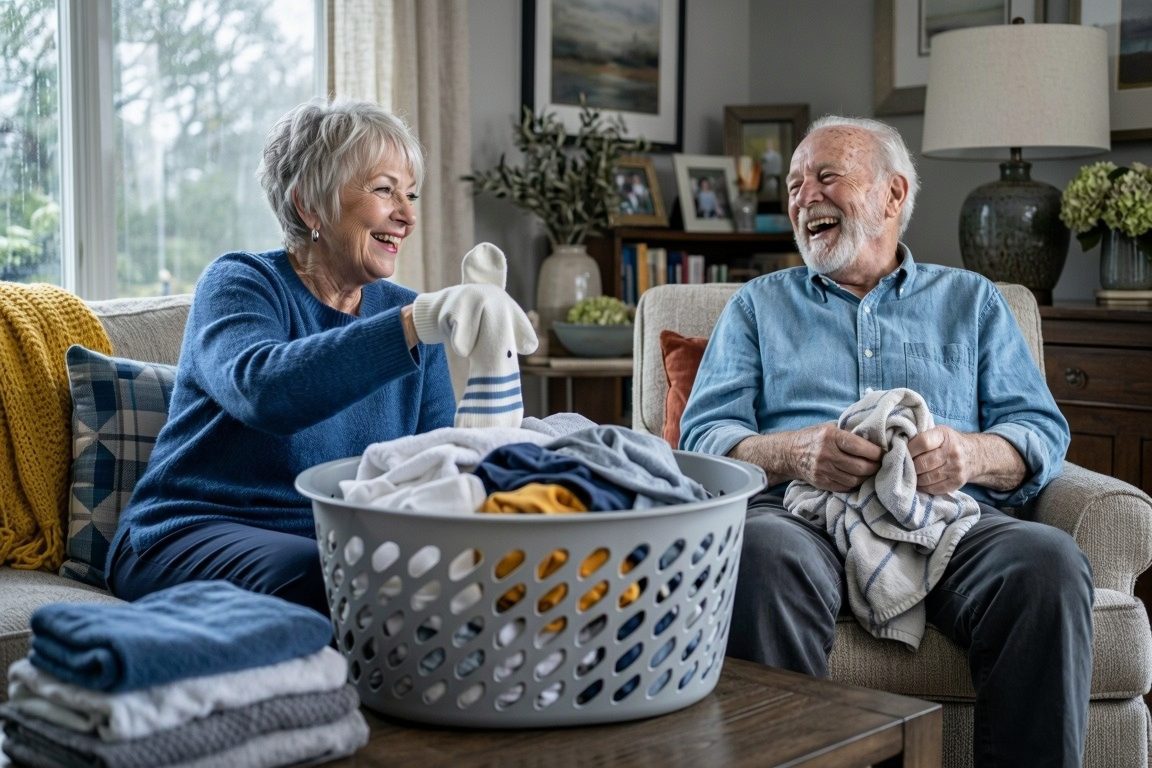
For advanced Alzheimer's, use simple sensory joys like humming a familiar tune, gently brushing their hair, or sharing a soft puppet to invite a giggle, connection lives in the moment, not the memory.
For the doctor
3
- If your loved one’s mood swings or agitation increase after you try to engage in fun activities, discuss with their doctor whether medication adjustments or a different approach to stimulation is needed.
- If you feel persistently depressed, anxious, or unable to experience any joy, talk to your own healthcare provider about caregiver burnout or depression. You may benefit from therapy, support groups, or medication.
- If your loved one has a history of aggression or paranoia, ask a dementia care specialist or social worker for guidance on safe ways to introduce humor and play without triggering distress.