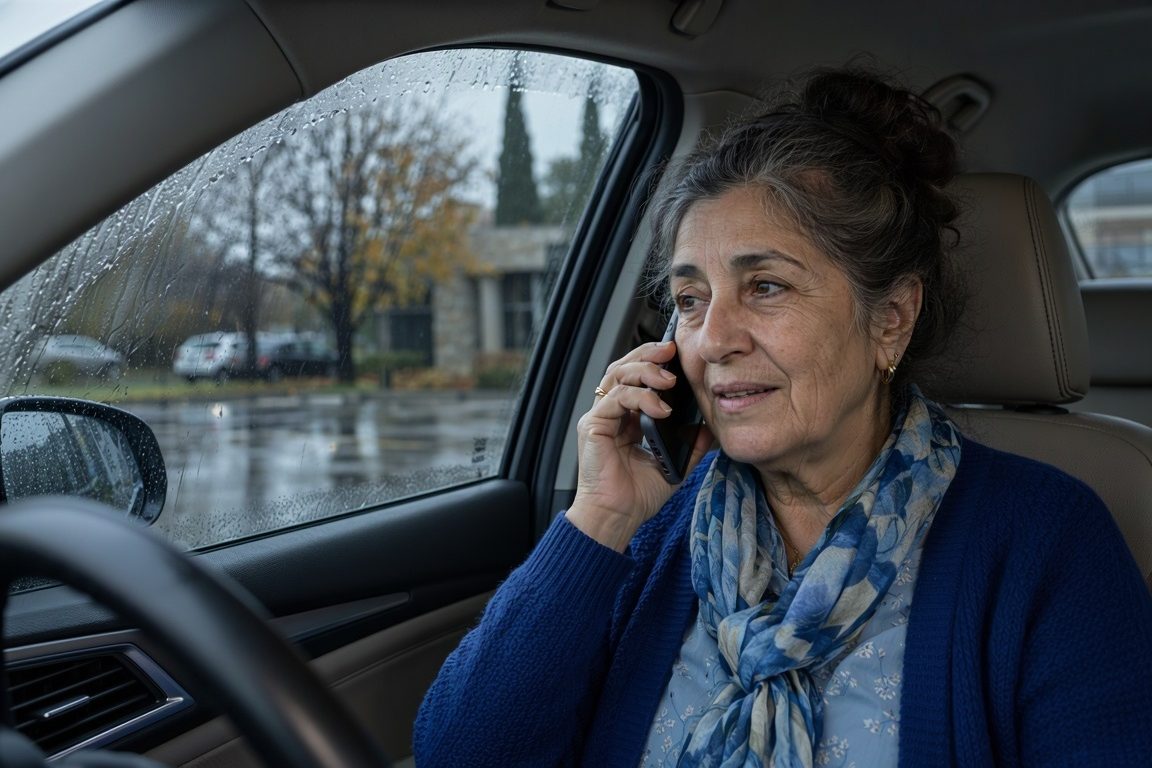
Step by step
What not to do
- Don't use complex sentences, metaphors, sarcasm, or abstract questions.
- Don't force conversation if they are fatigued, upset, or disengaged; end call kindly.
- Don't take silence, confusion, or lack of recognition personally.
- Don't call when there is significant background noise, TV on, or other distractions.
Key points
- Phone calls are about connection, not information exchange. Let go of expectations for a 'normal' conversation.
- Your tone of voice matters more than your words. Speak slowly, warmly, and calmly.
- Start with a clear introduction of who you are and your relationship to them.
- Avoid questions that require detailed answers. Use statements and shared memories instead.
- Keep calls short, 5 to 10 minutes is often enough. End on a positive note.
- If they don't recognize you, don't take it personally. They still feel your love through your voice.
Videos
 How to talk on the phone to someone with dementia?This video directly addresses the challenge of phone conversations and offers practical, stage-specific tips for connecting when you can't be face-to-face.
 Grandpa, Do you Know who I am? (Dementia Tips)This video explores the emotional reality of being unrecognized and provides strategies to maintain connection even when your loved one doesn't know who you are.
 COMMUNICATION TECHNIQUES FOR DEMENTIA CAREGIVERSA comprehensive overview of five essential communication techniques that can be adapted for phone calls, including simplifying language and using validation.
 How to talk to someone with dementia when they are afraid of saying the wrong thingThis video addresses the anxiety your loved one may feel about making mistakes in conversation, which is especially relevant during phone calls where they can't see your reassuring face.
2 more videos
 How To Deal With Dementia As A Caregiver?Offers broader caregiver coping strategies that help you show up to phone calls with patience and compassion, even when you're feeling stressed.
 Communication & Dementia: Connecting with a Person living with Memory LossFocuses on building emotional connection and using nonverbal cues, which can be translated into vocal warmth and tone for phone calls.
Background
Why Phone Calls Become Difficult
For someone living with dementia, a phone call strips away most of the cues we rely on for connection, eye contact, facial expressions, body language, and touch. Research shows that only about 7% of communication comes through words; the rest is nonverbal. When you're on the phone, your loved one loses access to that 93% of your message. They may not recognize your voice, or they may feel confused about who is speaking and why. This isn't a sign of rejection or that they don't love you, it's a symptom of how their brain is processing information differently now.
Additionally, the phone call places a heavy cognitive load on the person with dementia. They have to hold the phone, listen, process your words, formulate a response, and remember who you are, all at once. This can be exhausting and anxiety-provoking. They may respond with short answers, silence, or even agitation. Understanding this helps you shift from expecting a 'normal' conversation to creating a safe, low-pressure interaction that meets them where they are.
The Emotional Need Behind the Call
Even when the call feels one-sided or unsatisfying to you, your loved one may be getting something profound from it, an opportunity to vent, to feel heard, or simply to know someone is thinking of them. The goal isn't to have a back-and-forth chat like you used to. The goal is to offer connection, validation, and a sense of safety. When you let go of your own expectations and focus on what your loved one needs in that moment, the call becomes a gift rather than a chore.
Remember that your loved one is still the same person inside, even if they can't express it the way they once did. They still feel emotions deeply, loneliness, fear, joy, love. Your voice, even if they don't place it, can carry a tone of warmth and care that soothes them. By preparing yourself mentally before you dial, you can show up with patience and compassion, which will make the call better for both of you.
Practical tools
2
Video chat apps
FaceTime, Zoom, or Skype restore facial cues and help with recognition.
Facility staff assistance
Ask staff to set up the device before the call if your loved one is in a care facility.
Different situations
Early-stage dementia
In early stages, your loved one may still be able to hold a more traditional conversation, but they may tire easily or struggle to find words. Keep calls shorter (10-15 minutes) and avoid complex topics. Use open-ended statements rather than questions. They may appreciate hearing about your day, but keep it simple. Avoid correcting any memory slips, they are likely aware of their decline and may feel embarrassed.
Moderate to severe dementia (later stages)
In later stages, your loved one may not recognize you or may speak very little. Focus entirely on tone and feeling. Use a very slow, gentle voice. Say their name often. If they don't respond, that's okay, your voice can still be soothing. Keep calls to 5 minutes or less. Consider using a recorded message of your voice if they respond better to a familiar recording. Video calls may be more effective than phone calls at this stage.
Lewy body dementia or Parkinson's dementia
These conditions often involve visual hallucinations, fluctuating attention, and sensitivity to stress. Keep calls very calm and predictable. Avoid sudden changes in topic. If they seem confused or agitated, end the call gently. Video calls may be overwhelming due to visual hallucinations, test with a short call first. Use a very simple, repetitive structure each time (e.g., always start with the same greeting).
Spouse vs. adult child caregiver
As a spouse, you may feel a deeper sense of loss and frustration because the call reminds you of how things used to be. It's important to grieve that loss but not let it color the call. As an adult child, you may feel guilt or distance. Remember that your loved one still feels your love, even if they don't recognize you. Both roles benefit from preparing emotionally before the call and focusing on the present moment.
Loved one in a facility or living with a caregiver
If your loved one is in a facility, coordinate with staff to ensure they are seated comfortably and the phone is handed to them. Ask staff to say, 'Your daughter Sarah is calling, would you like to talk to her?' This gives them a choice. If they are living with a caregiver, ask that person to stay nearby during the call to provide reassurance. You can also ask the caregiver to join the call for a few minutes to ease the transition.
For the doctor
3
- If your loved one becomes consistently agitated or distressed during phone calls, discuss this with their doctor or a dementia specialist. There may be underlying anxiety, pain, or medication side effects contributing to the reaction.
- If your loved one has hearing loss or vision problems, ask their clinician about appropriate hearing aids or communication devices that could improve phone call quality.
- If you are considering using a recorded message or a voice assistant (like Alexa) to facilitate calls, discuss with a clinician whether this might be confusing or comforting for your loved one based on their stage and personality.