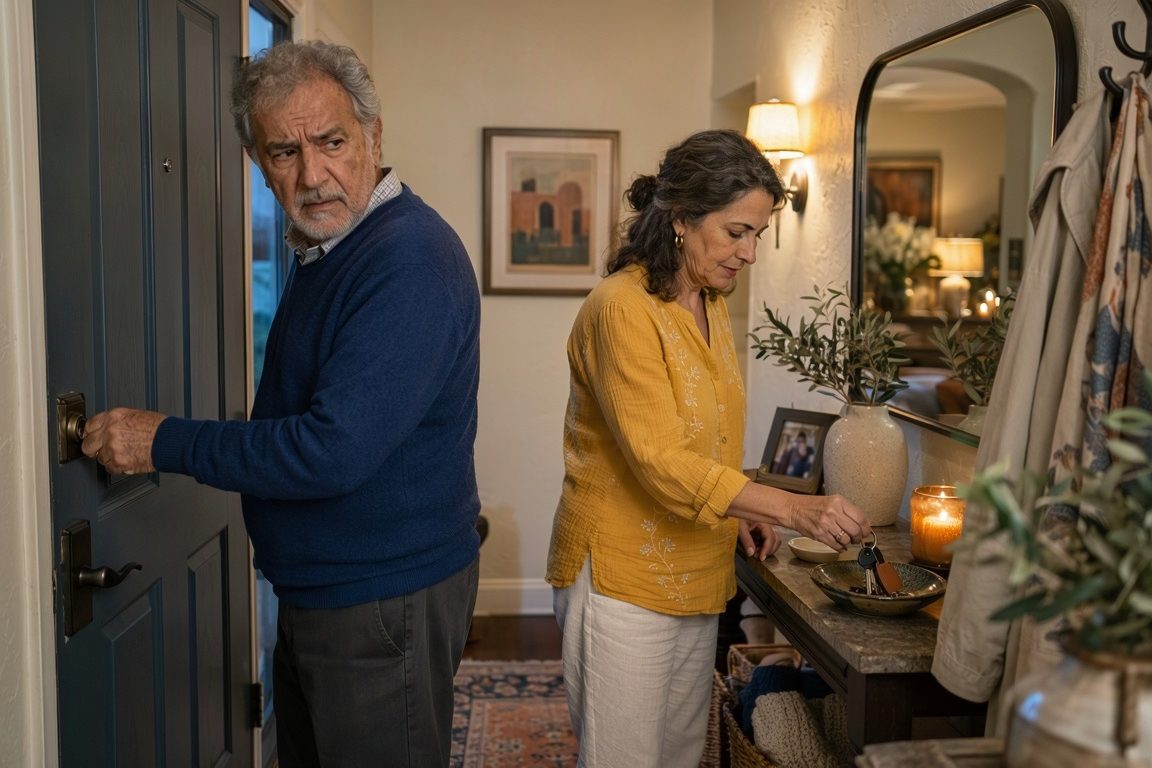
Step by step
What not to do
- Do NOT argue or reason with the fear; instead validate and redirect.
- Do NOT use a harsh or loud voice; speak softly and slowly.
- Do NOT rush or force activities; offer help preserving dignity (e.g., 'Let me help with that button').
- Do NOT speak about them as if absent; include them even if responses are slow.
- Do NOT take accusations personally or suppress your own grief, seek counseling or a support group.
Key points
- Fear in dementia is often rooted in confusion, loss of control, and feeling misunderstood.
- Validate the emotion, not the fact. Saying 'I hear you' is more helpful than correcting them.
- A calm, predictable routine and environment reduce anxiety and build a sense of safety.
- Small choices (like which towel to use) can restore a sense of control and reduce fear.
- Your own calm presence is the most powerful tool. Take care of yourself so you can be present for them.
- Always rule out physical causes (pain, hunger, infection) when fear or agitation appears suddenly.
Videos
 Dementia and Anxiety: What you can doThis video directly addresses common causes of anxiety in dementia and offers practical, at-home strategies to help calm your loved one.
 What Are Common Safety Risks For Dementia Patients?Understanding safety risks like falls and wandering helps you create a safer environment, which reduces fear for both you and your parent.
 Dementia in the Context of Serious Mental IllnessThis video helps you understand how dementia can overlap with other mental health conditions, which can influence fear and behavior.
 Why we should talk about dementia | Adria Thompson | TEDxUKYA powerful talk that explains the importance of open communication and how people with dementia often feel invisible, which is a core fear.
2 more videos
 Why Do Dementia Caregivers Experience Burnout And Depression?This video validates the emotional toll on you as a caregiver and offers insight into why self-care is essential for managing your parent's fear.
 What Grief Do Dementia Patients Feel About Losing Identity?Explores the deep grief of losing one's sense of self, which is a major source of fear for people with dementia.
Practical tools
5
Validation Phrase Bank
Keep a card or phone note with phrases like 'I hear you,' 'You are safe,' 'I am here with you,' 'Let's sit together', use as a script during upset moments.
'Yes, And' Technique
Instead of 'No' or 'That's not true,' say 'Yes, and...' to redirect: e.g., 'Yes, home is wonderful. Let's look at these garden photos while we wait.'
Calm Down Kit
A basket with soothing items:
Bring it out when fear rises to shift focus.
Daily Routine Chart
Large simple chart with pictures of daily activities (morning tea, walk, lunch, rest, music) placed at eye level; point to it when confusion arises.
Fear & Trigger Log
Notebook or phone note recording time of day, what was happening, and what helped, share with healthcare team to identify treatable causes.
Different situations
If your parent has vascular dementia
Fear and anxiety may be more pronounced, especially after a stroke or when blood flow issues cause sudden confusion. Be extra patient with mood swings. Use very short sentences and allow extra time for them to process. Avoid sudden changes in routine, as vascular dementia can make transitions harder.
In the middle stages of Alzheimer's disease
Your parent may have more trouble recognizing you, which can be deeply frightening for them. Approach slowly, state your name, and use a gentle touch. They may also experience sundowning (increased agitation in the late afternoon). Plan calming activities for that time, like listening to soft music or looking at a photo album.
If your parent has Lewy body dementia
Visual hallucinations and fluctuating alertness are common. Do not argue about what they see; instead, acknowledge their experience. Say, 'I see you are looking at something. Is it scary?' Then redirect to a safe topic. Also, be aware that they may be very sensitive to medications, so always discuss any new anxiety with their doctor.
As an adult child caregiver living with your parent
The role reversal can be painful for both of you. Your parent may feel ashamed about needing help from their child. Acknowledge this gently: 'I know it's hard to have me help you. I am glad I can be here for you, just like you were there for me.' Give them small responsibilities that preserve their dignity, like folding napkins or watering a plant.
If your parent is in the early stages
They may still be aware of their diagnosis and fear the future. Encourage them to talk about their fears if they want to. You can say, 'It's okay to be scared. We will face this together.' Help them create a memory book or a list of things that bring them comfort. Involve them in decisions about their care while they can still participate.
For the doctor
4
- If your parent's fear or anxiety is severe, causing them to refuse all care or become aggressive, ask their doctor about non-medication approaches first, and then about possible medications. Never start or stop any medication without medical guidance.
- If your parent is having hallucinations or delusions that are distressing, discuss with a neurologist or geriatric psychiatrist. These symptoms may need specific treatment.
- If your parent has a history of falls or wandering, ask their doctor for a referral to an occupational therapist who can assess home safety and recommend adaptive equipment.
- If you notice a sudden change in your parent's behavior, such as new confusion or agitation, contact their doctor to rule out a urinary tract infection or other medical issue that can mimic dementia symptoms.