Step by step
What not to do
- Do not use baby talk or condescending language; speak with adult respect and use their preferred name.
- Do not argue or correct inaccuracies; instead, acknowledge and redirect ('Oh, okay, let's see what we have planned').
- Do not test their memory ('Do you remember?'); simply share the information directly.
- Do not shout; speak clearly at a normal volume while facing them so they can read your lips.
- Do not talk about them in their presence as if they are not in the room.
Key points
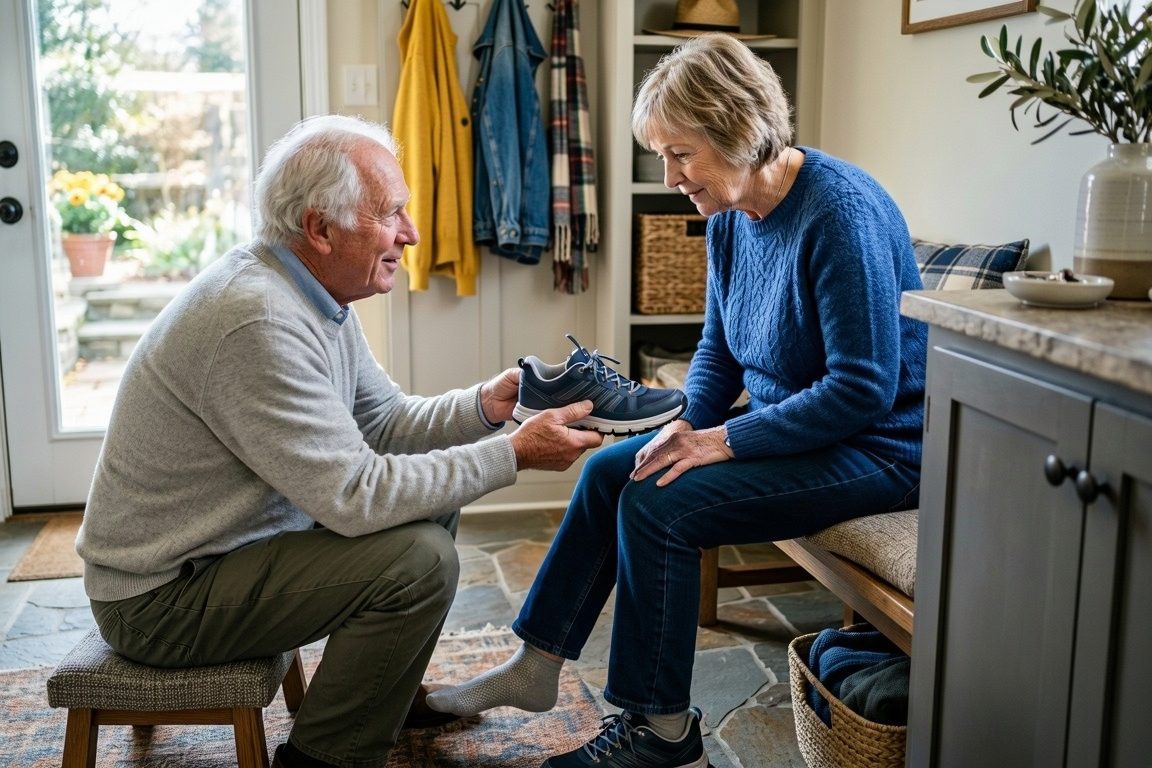
- Always approach from the front, at eye level, and identify yourself.
- Use short, simple sentences with one idea at a time.
- Ask yes/no questions and give plenty of time to respond.
- Never argue, correct, or test their memory.
- Focus on the emotion behind the words, not the facts.
- Use gentle touch, visual cues, and a calm tone to support your words.
Videos
 5 TIPS FOR TALKING TO YOUR LOVED ONE WITH DEMENTIAProvides five simple, actionable tips for smoother conversations, including simplifying language and avoiding arguments.
 COMMUNICATION TECHNIQUES FOR DEMENTIA CAREGIVERSDemonstrates practical techniques like using one-step commands and positive encouragement to reduce frustration.
 Communication & Dementia: Connecting with a Person living with Memory LossFocuses on building emotional connection through eye contact, touch, and validating feelings.
 How to talk to someone with dementia when they are afraid of saying the wrong thingAddresses the fear and anxiety behind communication struggles, offering reassurance and redirection strategies.
2 more videos


Background
Why Communication Changes in Dementia
Dementia affects the parts of the brain that process language, memory, and social cues. Your loved one may struggle to find the right words, understand what you say, or remember what was just discussed. This is not intentional; it is the disease at work. As a caregiver, you become the one who must adapt, because the person with dementia cannot change how their brain is functioning. The goal is not to have a perfect conversation but to create a moment of safety, dignity, and connection.
The Emotional Core Behind Every Interaction
Beneath every word or behavior, your loved one is likely feeling anxious, confused, or fearful. They may ask the same question repeatedly because they need reassurance, not information. They may become agitated if they feel criticized or rushed. When you shift your focus from getting the facts right to addressing the emotion underneath, you open a door to calm. Your tone, your posture, and your patience speak louder than any sentence you say.
Practical tools
5
One Idea Per Sentence Phrase Bank
Keep a mental or written list of short, clear phrases for common situations: 'Time to eat,' 'Let's sit here,' 'Here is your cup.' Practice saying one idea, then pausing, until it becomes natural.
Yes/No Question Checklist
Before asking anything, rephrase it so the answer can be yes or no. If they hesitate, offer two concrete options while holding up the actual items as visual cues.
Emotion First Script
When they seem upset: (1) Name the emotion ('You seem worried'), (2) Validate ('That's understandable'), (3) Reassure ('I'm here with you'), (4) Redirect to a comforting activity.
Quiet Corner Setup
Designate a calm, well-lit spot with no TV, phone alerts, or clutter. Use it for all important conversations about care or sensitive topics.
Life Story Cue Card
Create a small card listing favorite topics, hobbies, and memories (e.g., 'loves gardening,' 'was a teacher'). Share with visitors and new caregivers so conversations feel familiar and joyful.
Different situations
Lewy Body Dementia (LBD)
In LBD, visual hallucinations and fluctuating attention are common. Avoid arguing about what they see, validate their experience: 'I see you're looking at something. It must feel real to you.' Use calm, slow speech, and avoid sudden movements. Be aware that they may have good days and bad days; adapt your communication to their current state.
Frontotemporal Dementia (FTD)
FTD often affects behavior and language more than memory early on. They may say inappropriate things or lose empathy. Do not take it personally. Keep your tone neutral and avoid showing shock. Redirect to a simple activity. Use very short sentences and concrete language. Avoid abstract concepts or sarcasm.
Late Stage Dementia
In late stages, verbal communication may be minimal. Focus on nonverbal cues: a gentle touch, a soothing tone, eye contact, and your calm presence. Speak in a soft, rhythmic voice. Use music or familiar smells to connect. Do not force conversation; just sit with them. Your calm energy is the message.
Spouse vs. Adult Child Caregiver
As a spouse, you may feel the loss of partnership deeply. Avoid correcting or arguing about shared memories, it can feel like a betrayal. Instead, join their reality: 'Yes, we had a wonderful time at the lake.' As an adult child, you may need to step into a parental role. Use respectful language: 'Dad, let me help you with your coat' rather than 'Come on, let's go.'
In a Facility or with Multiple Visitors
Inform all staff and visitors about your loved one's preferred name, favorite topics, and communication tips. Post a short note in their room. Ask visitors to approach from the front, speak slowly, and avoid asking 'Do you remember me?' Instead, have them say: 'Hi, I'm Jane. I'm your friend.' Schedule visits during their best time of day.
For the doctor
4
- If your loved one becomes aggressive or agitated during conversations, discuss with their doctor whether medication adjustments or a referral to a dementia specialist might help.
- If they have hearing or vision loss that complicates communication, ask their clinician about hearing aids, glasses, or an audiology evaluation.
- If they are on medications that cause drowsiness or confusion, talk to the prescriber about possible side effects and timing of doses.
- If you are struggling with your own stress or burnout from communication challenges, ask your doctor or a social worker about caregiver support groups or counseling.