
Step by step
What not to do
- Don't reality-orient or drill for correct answers; correcting mistakes causes distress and shuts down learning.Instead, enter their reality and redirect gently.
- Don't overstimulate with noise, clutter, or multiple conversations; a busy environment overwhelms the brain and triggers agitation. Keep the TV off during meals and speak one-on-one.
- Don't assume what worked yesterday will work today; dementia is unpredictable. If a favorite activity now causes frustration, let it go and try something simpler.
- Don't neglect your own brain health; your stress, sleep, and mood directly affect your ability to care. Take breaks, exercise, and engage in activities that challenge your own brain.
- Don't force engagement when your loved one is tired, hungry, or in pain; the brain cannot learn when in distress. Address basic needs first, then try again.
Key points
- Neuroplasticity means the brain can still form new connections even with dementia. Your interactions matter.
- Use a calm, predictable routine to reduce confusion and free up brain energy for learning.
- Validate feelings, don't correct facts. Use 'Yes, and...' to keep communication open.
- Break tasks into small steps. Celebrate small successes to build confidence and neural pathways.
- Take care of your own brain health. A healthy caregiver is essential for supporting neuroplasticity in your loved one.
- Flexibility is key. What works today may not work tomorrow. Adapt and try again.
Videos
 Neuroplasticity- The brain's ability to heal and growThis video explains the core concept of neuroplasticity in an accessible way, giving you hope and a scientific foundation for the strategies in this article.
 Time with Teepa - Brains changes throughout Each Day, YAH!Teepa Snow shows how brain function fluctuates throughout the day, helping you time activities for maximum success and minimal frustration.
 Time with Teepa - Neuroplasticity in ActionThis video demonstrates real-life examples of neuroplasticity at work in dementia care, giving you concrete ideas to try at home.
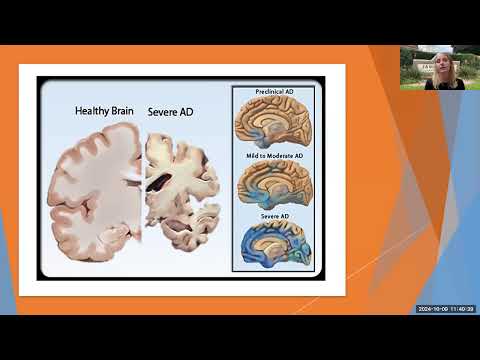
 Brain Changes and DementiaA clear explanation of what happens to the brain in dementia, helping you understand why neuroplasticity is both possible and limited.
2 more videos
 Dr. Gretchen Hawley PT, DPT, MSCS Founder of The MSing LinkDr. Hawley discusses how neuroplasticity applies to all brains, including those with dementia, and offers practical tips for strengthening neural pathways.
 Coping with Sundowning & Sleep Issues as a Dementia CaregiverSleep is critical for brain health and neuroplasticity. This video gives strategies for managing sleep disturbances, which are common in dementia.
Background
What Is Neuroplasticity and Why Does It Matter in Dementia?
Neuroplasticity is the brain's ability to be 'plastic' or malleable, to adapt, rewire, and form new connections throughout life. Even when dementia is present, the brain retains some capacity to change. As one expert explains, 'Brain change can happen at any moment in time if we're open to the possibility' (Teepa Snow). This means that while dementia causes permanent structural damage, the brain can still learn new ways to compensate, find workarounds, and even grow in areas that are less affected. For caregivers, this is a hopeful and practical truth: your interactions, the environment you create, and the activities you offer can literally shape your loved one's brain for the better.
How Dementia Changes the Brain, and What Neuroplasticity Can Do
Dementia involves the progressive loss of brain cells and connections. In many dementias, the brain can shrink to about one-third its original size (Teepa Snow). This loss affects memory, judgment, safety awareness, and the ability to perform daily tasks. However, neuroplasticity is not just about the brain healing itself; it's about strengthening existing pathways and creating new ones. Every habit, thought pattern, and skill we have is supported by a neural pathway (Dr. Gretchen Hawley). By intentionally repeating positive, supportive interactions and routines, you can help your loved one strengthen the pathways that remain. This is why a calm, predictable environment and gentle encouragement can lead to real improvements in day-to-day life.
The Role of the Caregiver in Supporting Brain Change
You are not a passive observer in this process. Your own brain is also plastic, and how you adapt to your loved one's changes directly affects their ability to adapt. As Teepa Snow notes, 'If I'm out of sync with my partner, one of us may have to do some adapting.' When you shift your perspective from grieving what's lost to exploring what's possible, you open the door for new learning and connection. This means being flexible, patient, and willing to try new approaches. The goal is not to 'fix' the dementia, but to create conditions where the brain can do its best work, moment by moment, day by day.
Practical tools
3
The Two-Question Check-In
Before starting any activity, ask yourself: 'Is my loved one calm and comfortable?' and 'Is this activity at their current ability level?' If the answer to either is no, adjust, e.g., try a short walk instead of a puzzle if they seem restless.
The 'Yes, And' Phrase
When your loved one says something factually incorrect, use 'Yes, and…' to validate and redirect. Example: 'I need to go home.' → 'Yes, and we can sit here by the window and watch for the car. Would you like a cup of tea while we wait?' This keeps conversation flowing without confrontation.
The One-Minute Mindfulness Pause
When you feel frustration rising, pause for 60 seconds. Take three slow breaths, look at your loved one, and notice one thing you appreciate about them. This resets your nervous system so you can return with patience and models calmness for their brain.
Different situations
Lewy body dementia (LBD)
In LBD, visual hallucinations and fluctuations in alertness are common. Use the 'Safe Curiosity Basket' with caution, avoid objects that could be misinterpreted (e.g., a doll might be seen as a real baby). Focus on music and gentle movement, as these are often well-tolerated. Be extra patient with morning and evening fluctuations; don't try to 'teach' during low-alertness periods.
Late-stage dementia (bedbound or non-verbal)
Neuroplasticity still works through the senses. Use gentle touch, familiar scents (lavender, baked bread), and soft music. Speak in a calm, rhythmic voice even if they don't respond. The brain can still form new connections through repeated sensory input. Focus on comfort and safety, not skill-building.
Spouse vs. adult child caregiver
Spouses may struggle with role reversal and grief. It's important to acknowledge that you are also losing a partner. Use the 'One-Minute Mindfulness Pause' to reconnect with your own feelings. Adult children may feel guilt or resentment. Set boundaries: you are not a professional caregiver. Use the 'Brain-Healthy Caregiver Log' to protect your own mental health.
Living in a facility
You can still support neuroplasticity during visits. Bring familiar objects, photos, or music. Use the 'Yes, And' phrase with staff to advocate for your loved one's preferences. Ask staff to incorporate simple routines (e.g., always offering a hand to hold during transfers). Consistency across caregivers is key.
Medicaid or low-resource settings
Neuroplasticity doesn't require expensive tools. Use household items: a towel to fold, a spoon to hold, a window to look out of. Focus on free activities like walking, singing, or sitting in a garden. The most powerful tool is your calm, consistent presence. Prioritize your own rest to avoid burnout.
For the doctor
4
- Ask your doctor: 'Are there any medications or supplements that might support my loved one's brain health alongside our non-drug approaches?'
- Discuss: 'My loved one has sudden changes in mood or alertness. Could this be a medication side effect or an infection that needs treatment?'
- Ask: 'Given my loved one's specific dementia type, are there any activities or exercises that are particularly recommended or that we should avoid?'
- Discuss: 'I'm feeling overwhelmed. Are there support groups, counseling, or respite care options you can recommend to help me stay healthy?'