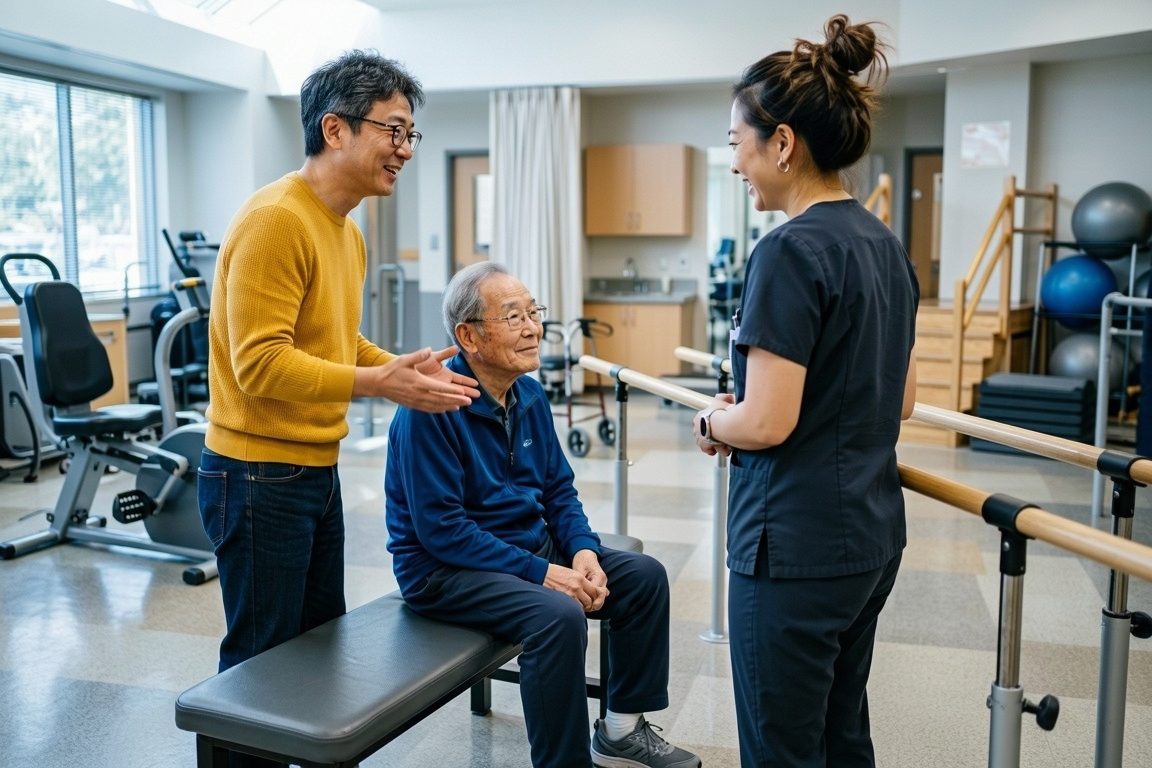
Step by step
What not to do
- Do not demand immediate action on non-urgent issues during shift change or meal times.
- Do not correct staff in front of your loved one or other residents; speak privately and constructively.
- Do not bring complaints to multiple staff members, direct them to the charge nurse or social worker.
- Do not assume staff know your loved one’s history or preferences without written or verbal handoff.
Key points
- Build relationships with staff by learning their names and showing genuine appreciation, small, consistent gestures matter more than grand ones.
- Communicate concerns using the 'sandwich' method: positive, concern as shared problem, appreciation. This reduces defensiveness and invites collaboration.
- Provide staff with a one-page 'All About Me' sheet that includes your loved one's preferences, life story, and care tips. Update it as needed.
- Attend care plan meetings prepared with positive observations and one or two concerns framed as questions. This positions you as a problem-solver.
- Be patient with turnover. Welcome new staff warmly and reintroduce your loved one each time. Your consistency builds trust.
- Volunteer to help with non-care tasks to lighten staff load and build positive face time. Always ask first and respect boundaries.
Videos
 How Carlton Senior Living Incorporated PAC Training Throughout Their OrganizationThis video shows how a facility integrated Positive Approach to Care training at all levels, which can help you understand what good training looks like and how to advocate for it.
 Conscious Caregiving with L & L 'Staffing Issues for Senior Services'This video addresses staffing challenges head-on, giving you insight into the pressures staff face and how your partnership can make a difference.
 SUP! Straight Up PositiveThis video offers practical, positive communication strategies that you can use with staff to build goodwill and reduce conflict.
 Points to Consider Before Moving Your Loved One HomeThis video helps you evaluate whether your current facility is the right fit, and how your relationship with staff factors into that decision.
2 more videos
 Help Us Make Assisted Living Facilities Better for People With Dementia #dementiaThis video gives you language and ideas for advocating for better dementia care practices, which can strengthen your partnership with staff.
 The Nursing Rocks Concert Series with Founder Spencer Coon & Christina KeysThis video highlights creative ways to show appreciation for nursing staff, which can inspire your own gratitude efforts.
Background
Why Staff Goodwill Matters for Your Loved One's Care
Staff in skilled nursing facilities face enormous pressures: chronic understaffing, high turnover (research before COVID showed 40% of personal support workers left within a year of training, and another 40% of those remaining left within five years), and the emotional toll of caring for residents with complex needs like dementia. When you build a positive relationship with staff, you become a resource rather than an extra stressor. Effective communication between care staff and family caregivers is crucial because residents with cognitive impairment may have difficulty articulating their needs, concerns, and preferences. Staff rely on you for information about your relative's behavior, and you have in-depth knowledge of their physical, psychosocial, and emotional history that can guide better care.
The Common Dynamic: Feeling Like a Burden
Many family caregivers feel they are 'getting in the way' or that staff see them as a nuisance. This feeling is real and common, one caregiver described always feeling like she was bothering staff when asking a question. But this dynamic can shift when you approach staff as partners. The key is to lead by example: when you model respect, patience, and appreciation, staff are more likely to respond in kind. As one expert noted, you can teach techniques, but if staff don't see you practicing them, they won't want to practice them either. Your consistent, positive presence can actually help create a 'mini university' of good care practices within the facility.
What Staff Really Need From You
Direct care staff need education, support, and supervision that empowers them to tailor care to each resident's needs. They need to know when your loved one prefers to get up, how they like to be bathed, and what triggers agitation or comfort. Staff supervisors need ongoing coaching to empower direct care workers to be decision-makers in real-time interactions. Administrators need to evaluate policies to support this flexibility. Your role as a family caregiver is to provide that crucial, personalized information, and to do it in a way that feels collaborative, not critical. Staff who understand the prognosis and the person's life story (culture, role in the family) can provide more effective, compassionate care.
Practical tools
2
One-Page Person Profile
Single sheet listing
Place in resident room and give to charge nurse.
Shift Handoff Note
Brief note left in a designated spot each morning or after visits, summarizing any changes in mood, appetite, or pain since last shift. Use a clipboard labeled ‘Staff Updates’.
Different situations
If your loved one has advanced dementia or is non-verbal
Your role as a communication bridge becomes even more critical. Provide staff with a detailed 'pain and comfort' chart that lists non-verbal cues (e.g., grimacing, moaning, restlessness) and what they usually mean. Offer to demonstrate calming techniques like hand-holding or slow rocking. Be extra patient, staff may need more time to learn your loved one's unique signals.
If you are a spouse vs. an adult child
Spouses may feel more protective and emotionally raw. It can help to acknowledge this openly: 'I know I'm extra sensitive because we've been together 50 years. I'm trying to learn how to be a good partner to you all.' Adult children may need to balance advocating for their parent while respecting the facility's routines. Both roles benefit from clear, humble communication.
If your loved one has Lewy body dementia or Parkinson's disease dementia
These conditions involve fluctuating cognition, hallucinations, and movement issues. Educate staff specifically about these symptoms. Provide a 'what to do if hallucinations cause distress' card. Remind staff that visual hallucinations are real to the person and should not be argued with. Offer to train staff on safe transfer techniques if mobility is an issue.
If you are a family caregiver who lives far away
Build relationships virtually. Schedule regular video calls with the charge nurse. Send care packages for the unit with a note of thanks. Ask staff to send you a quick photo or update via a secure app. Make sure your contact information is visible in the room. When you visit in person, make a special effort to thank everyone by name.
If your loved one is on Medicaid or in a facility with limited resources
Staff in these settings may be even more overworked and underappreciated. Your gestures of gratitude and partnership can have an outsized positive impact. Focus on low-cost appreciation: handwritten notes, verbal praise, offering to help with small tasks. Avoid making comparisons to other facilities. Your consistent kindness can help improve morale for the entire unit.
For the doctor
3
- Ask your loved one's doctor or the facility's medical director: 'Are there any specific behavioral or medical triggers for my loved one that staff should be aware of? How can I best communicate these to the care team?'
- Discuss with the facility's social worker or administrator: 'What is the facility's policy for family feedback? Is there a formal process for recognizing outstanding staff? How can I be involved in staff training or family advisory committees?'
- Ask the director of nursing: 'What training do staff receive on dementia care and communication? Are there opportunities for me to share my loved one's life story or preferences with new hires?'