Step by step
What not to do
- Do not correct or argue when they recall something inaccurately. This creates stress and shuts down the brain's willingness to try.Instead, listen and say 'That's a wonderful memory, tell me more.' The brain learns best when it feels safe, not when it feels criticized.
- Do not overwhelm them with too many new things at once. Cognitive reserve is built through gentle, consistent challenge, not overload. Introduce one new activity at a time and watch for signs of frustration or fatigue. If they seem overwhelmed, scale back and return to a familiar comfort activity.
- Do not assume they cannot learn because of the diagnosis. Even in moderate stages, the brain retains the ability to form new connections. Avoid saying 'They won't remember anyway.' Instead, focus on the process, not the outcome. The act of trying is what builds reserve, not the perfect result.
- Do not replace all familiar routines with new activities. Familiarity provides a sense of safety and orientation. Keep their morning coffee ritual, their favorite chair, and their usual mealtime. Build new learning on top of this stable foundation, not in place of it.
- Do not force social interaction if they are resistant. Social engagement is powerful, but only if it feels safe. If they become agitated or withdrawn, try a quieter form of connection, like sitting side by side looking at a photo album, rather than pushing conversation.
- Do not neglect your own cognitive health as a caregiver. Your brain needs reserve too. Take breaks, learn something new for yourself, and connect with friends. When you are mentally healthy, you can better support your loved one's brain health.
Key points
- Cognitive reserve is the brain's ability to use alternate pathways to keep functioning despite damage.
- You can build reserve at any stage by introducing novel, low-stress activities that engage the brain.
- Partnership language ('Let's') is more effective than commands for keeping the brain open to learning.
- Music, nature, and social novelty are powerful, research-backed tools for maintaining brain pathways.
- Focus on the process, not the outcome, the act of trying builds reserve, even if they don't 'succeed.'
- Your own brain health matters too: take breaks, learn new things, and connect with others.
Videos
 Why People With Dementia Take So Long To RespondUnderstanding processing delays helps you give the brain the time it needs to find alternate pathways, rather than rushing and causing stress.
 How to Talk to Someone with Dementia (without Arguing)This video teaches the partnership communication style that is essential for creating a safe environment where cognitive reserve can be built.
 Amy Shaw, PA-C Founder of Better DementiaAmy Shaw offers practical, medical-grounded advice on how to support brain health through lifestyle, which directly supports cognitive reserve.
 When You Want to Walk Away From Dementia Caregiving (But Can't)This video addresses caregiver burnout, which is critical because your own mental health directly affects your ability to support your loved one's brain health.
2 more videos
 How Can I Improve My Brain Health?This video covers general brain health strategies that apply to both you and your loved one, reinforcing the idea that cognitive reserve is a lifelong project.
 Understanding DementiaA foundational video that explains what is happening in the brain, helping you understand why cognitive reserve strategies work.
Background
What Is Cognitive Reserve and Why Does It Matter?
Cognitive reserve is the brain's built-in resilience. Even as dementia damages cells and connections, a brain with high cognitive reserve can keep functioning well because it has built many extra neural pathways over a lifetime, like having multiple routes to get home when your usual road is closed. People who have spent years learning, socializing, and staying mentally active often show fewer symptoms of decline, even when the underlying brain damage is significant. This isn't about curing dementia; it's about helping the brain adapt and compensate so your loved one can enjoy a better quality of life for longer.
How the Brain Adapts: The Highway Analogy
Imagine the brain as a vast network of highways. When you learn a new skill, read a book, or have a deep conversation, you are building new roads and strengthening existing ones. In dementia, some of those highways begin to crumble. But if your loved one has a rich network of side roads, built through education, hobbies, social connections, and new learning, the brain can reroute traffic. It finds an alternate path to get the same information or perform the same task. This is why two people with the same amount of brain damage can have very different outward abilities: one has more backup routes. Your role as a care partner is to help build and maintain those alternate pathways.
The Role of Partnership vs. Pressure
Commands and demands can feel threatening to a dementia-affected brain. When you say 'Go get your breakfast and take your medication,' the brain may perceive pressure and shut down. But when you use a partnership approach, 'Let's grab breakfast together', you create a sense of safety and cooperation. This partnership is not just about getting tasks done; it is about keeping the brain engaged in a low-stress, supportive way. When the brain feels safe, it is more open to using its remaining pathways and even building new ones. Remember, your loved one's humanity never disappears, even as skills fade. Treating them as a partner in their own care supports both their dignity and their cognitive reserve.
Practical tools
6
The 'Let's' Phrase Card
Write down three common tasks (e.g., medication, meals, walks) and next to each write a 'Let's' version. Keep this card in your pocket or on the fridge. Example: Instead of 'Time for your bath,' write 'Let's get refreshed together.' Use this card as a quick reminder to shift from command to partnership.
Sensory Nature Kit
Assemble a small bag with items that engage different senses:
When you go outside or even sit by an open window, hand them one item at a time and let them explore it. No instructions needed, just let the senses do the work.
One-New-Thing-a-Week Calendar
Create a simple weekly calendar where you plan one small new activity. Examples: Week 1: try a new fruit together. Week 2: watch a 5-minute video about a topic they never explored. Week 3: learn one phrase in a new language. Check off each week to build momentum and celebrate the effort.
Music Memory Playlist
Create a playlist of 10-15 songs from their young adulthood (ages 15-30). Play it during a quiet time each day. Sing along or just listen. In later stages, this can be a primary way to reach the brain when words fail. Use a simple device like an old iPod or a CD player to avoid screen confusion.
Partnership Conversation Script
Print and keep this script handy: 'I notice you're [sitting quietly]. I was thinking we could [look at this photo album together]. What do you think?' This script replaces commands with an invitation, giving the brain a chance to choose and engage.
Brain Health Check-In Log
Keep a simple notebook where you jot down one sentence each day about what seemed to engage them most. Over time, you'll see patterns, maybe music works better in the morning, or nature walks are best after lunch. Use this log to adjust your approach and celebrate small wins.
Different situations
Lewy body dementia
In Lewy body dementia, visual hallucinations and fluctuating attention are common. Avoid activities that rely heavily on visual processing or that require sustained focus. Instead, use music, touch, and movement. Short, 5-minute activities repeated throughout the day work better than longer sessions. Be especially gentle with new learning, the brain tires quickly.
Late-stage dementia
When verbal communication is largely gone, focus on sensory and emotional connection. Cognitive reserve in late stage is about maintaining existing pathways, not building new ones. Use familiar music, gentle hand massage, and your calm voice. The goal shifts from learning to comfort and connection. Your presence and touch are the most powerful tools.
Spouse vs. adult child caregiver
As a spouse, you may need to grieve the loss of your partner's former cognitive abilities while also building new ways to connect. Focus on activities you both used to enjoy, dancing, gardening, or watching old movies, and adapt them. As an adult child, you may have more emotional distance, which can help you introduce novel activities without the weight of shared history. Use that to your advantage: suggest things your parent never tried before, like a new type of puzzle or a different genre of music.
In a facility setting
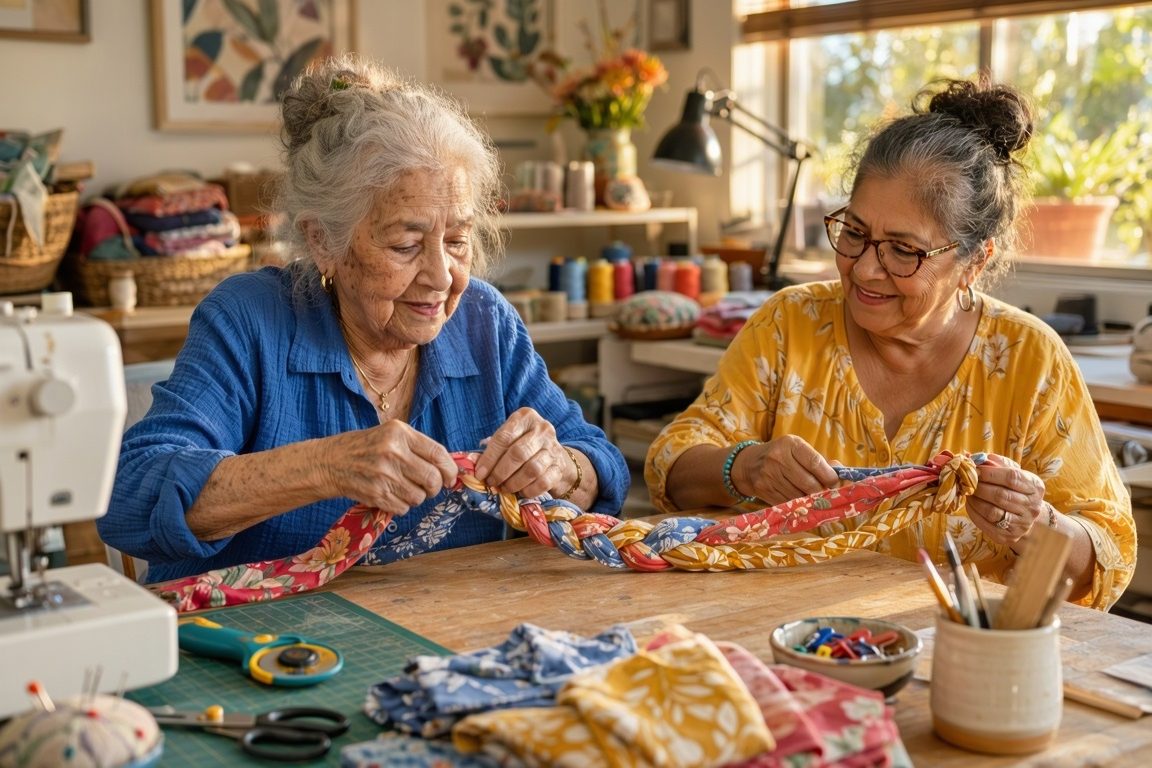
Work with the activities director to incorporate cognitive reserve principles into their daily schedule. Ask for a 'brain stimulation corner' in their room. Request that staff use the 'Let's' framework during care routines. If possible, bring in a volunteer or family member for a weekly novel activity, like a short virtual tour of a museum or a simple craft project.
Mixed dementia (e.g., Alzheimer's and vascular)
Mixed dementia patients can show surprising resilience because different parts of the brain are affected at different rates. Focus on the strengths that remain. If vascular damage affects mobility but memory is relatively preserved, try seated cognitive games. If Alzheimer's affects memory but motor skills are good, try simple physical tasks like folding laundry or sorting objects. Always work with what is still intact.
For the doctor
5
- Ask your doctor: 'Are there any medications or supplements that might support my loved one's cognitive reserve, given their specific type of dementia?'
- Ask your clinician: 'Could an occupational therapist help us design a brain-stimulating daily routine that is safe and appropriate for their stage?'
- Discuss: 'My loved one seems to have good days and bad days with new learning. Is there a way to tell if we are pushing too hard or not enough?'
- Ask: 'Are there any clinical trials or research studies on cognitive training for people with dementia that we might be eligible for?'
- Discuss: 'Given their other health conditions (e.g., heart disease, diabetes), are there any activities we should avoid because they could be risky?'