Step by step
What not to do
- Do not make sudden, drastic changes all at once; one change at a time with adjustment period preserves familiarity and prevents agitation.
- Do not use area rugs or runners, especially on stairs or hallways, leading cause of falls; if a rug must stay, use non-slip pad and taped edges, but removal is safer.
- Do not remove all familiar objects when decluttering; favorite photos, chair, blanket are comfort anchors and their removal can feel like losing home.
Key points
- Universal design makes the home safer and more intuitive for everyone, not just the person with dementia.
- Start with a room-by-room safety walkthrough, focusing on removing trip hazards and improving lighting.
- Use contrasting colors and simple labels to help the person navigate independently.
- Make changes gradually to avoid disorientation; involve the person when possible.
- Secure the kitchen, bathroom, and exterior doors to prevent falls, burns, and wandering.
- Remember that the caregiver’s own needs matter, keep your own space functional and take breaks.
Videos
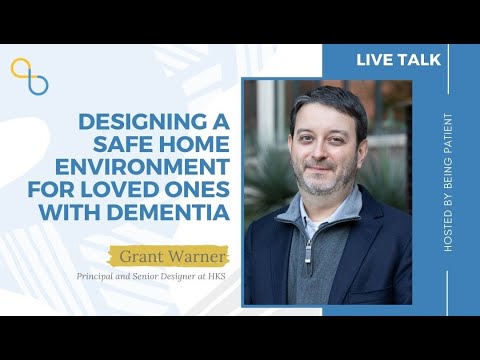 Designing a Safe Living Space For a Loved One With Dementia | LiveTalk | Being PatientThis video offers practical advice from a design consultant who specializes in dementia-friendly spaces. It covers how to modify a home for safety and comfort, including specific product recommendations.
 Steady Steps: Practical Strategies for Managing Falls in DementiaFalls are a major risk for people with dementia. This video provides concrete strategies for fall prevention, including environmental modifications and exercises that can be done at home.
 Caring for Someone with Alzheimer's - Family Caregiver Webinar SeriesThis webinar covers a broad range of caregiving topics, including home safety. It offers a caregiver’s perspective on what changes are most helpful and how to implement them without overwhelming the person with dementia.
 Ep. 143: Universal Design Guidelines for Improving Quality of Life in Residential CareAlthough focused on residential care, this video explains universal design principles that apply to any home. It discusses how to create small, household-like groupings and flexible spaces that adapt to changing needs.
2 more videos
 How Do You Ensure Home Safety For Dementia Patients? - Dementia Help HubA short, practical video that walks through the basics of home safety: removing clutter, improving lighting, using contrasting colors, and labeling rooms. Great for a quick overview.
 Creating a Dementia-Proof HomeThis video provides 11 tips for creating a dementia-proof home, focusing on how to reduce fall risks, improve navigation, and maintain a calm environment. It includes specific product recommendations and setup ideas.
Background
What Universal Design Means for Dementia Care
Universal design is not about making a home look like a hospital. It is about creating spaces that are easy to use, safe, and intuitive for everyone. For a person living with dementia, changes in depth perception, balance, judgment, and problem-solving mean that everyday objects and layouts can become confusing or even dangerous. A cluttered hallway, a dark stairway, or a patterned rug can trigger a fall or cause agitation. The goal is to remove these hidden hazards before they cause harm.
Why the Home Environment Matters So Much
A person with dementia relies heavily on their environment for cues about what to do and where to go. When the home is familiar and well-organized, it can actually compensate for some of the cognitive decline. Good lighting, clear contrasts, and simple labels help the person find the bathroom, the kitchen, or their own bedroom without frustration. Conversely, a home that is cluttered, noisy, or poorly lit can increase confusion, anxiety, and the risk of wandering or falls. Research shows that modifying the home environment is one of the most effective ways to support a person with dementia and reduce caregiver stress.
The Core Principles: Safety, Simplicity, and Familiarity
Three principles guide every change you make. First, safety: remove trip hazards, secure dangerous items, and ensure good lighting everywhere. Second, simplicity: reduce clutter, limit choices, and make each room’s purpose obvious. Third, familiarity: keep meaningful objects, photos, and routines in place. A person with dementia feels more secure when their surroundings look and feel like home. Drastic changes can be disorienting, so introduce modifications gradually and with the person’s input whenever possible.
Practical tools
4
Room-by-Room Safety Checklist
For each space:
Review monthly as dementia progresses.
Picture-Based Labeling Kit
Layered Lighting Plan
A dawn-simulator alarm clock can ease sleep-to-wake transition.
Wander-Safety Door Kit
Different situations
Early stage dementia
Focus on labeling and reducing clutter. The person can still participate in decisions, so involve them in choosing labels or colors. Use a large calendar and a notepad for reminders. Avoid removing too many familiar objects; instead, organize them neatly. The goal is to support independence without making the home feel institutional.
Middle to late stage dementia
Prioritize safety over aesthetics. Remove all tripping hazards, lock dangerous items, and install grab bars. Use childproof locks on cabinets and doors. Consider removing the stove or using a stove lock. The person may need a raised toilet seat, a shower chair, and a bed rail. Simplify the environment as much as possible to reduce confusion.
Lewy body dementia or Parkinson’s dementia
These conditions often involve movement issues, visual hallucinations, and sensitivity to medications. Use very bright, even lighting to reduce shadows that can be misinterpreted. Avoid patterns on walls or floors that might look like faces or objects. Keep pathways wide and clear. Use contrasting colors to help with depth perception. Be aware that the person may have sudden changes in ability from day to day.
Spouse as primary caregiver
The home is shared, so changes must work for both of you. Keep your own space (like a desk or a corner) that is not modified. Use subtle modifications that do not feel like a hospital. For example, use a stylish grab bar that looks like a towel rack. Involve your spouse in decisions as much as possible. Remember that your own comfort and safety matter too.
Adult child caregiver (parent living with you or you visiting)
If the parent is living with you, you may need to childproof your own home. If you are visiting, focus on the most dangerous areas first: the bathroom, stairs, and kitchen. Bring portable items like night lights, a non-slip bath mat, and a label maker. Work with siblings to divide tasks. If the parent lives alone, consider a professional home safety assessment.
In a residential care facility
Work with the facility staff to personalize the resident’s room. Bring familiar items like photos, a favorite blanket, and a clock. Label the room with the resident’s name and a picture. Ensure the room has good lighting and a clear path to the bathroom. Ask about the facility’s universal design features, such as handrails, contrasting colors, and secure outdoor areas. Advocate for a small household model where residents can participate in daily activities like cooking.
For the doctor
5
- Ask your doctor or occupational therapist: ‘What specific grab bar placement and height would be safest for my loved one’s balance and mobility?’
- Ask your pharmacist: ‘Are any of my loved one’s medications increasing fall risk or affecting vision? Should we review them?’
- Ask the care team: ‘Would a bed alarm or a GPS tracker be appropriate for managing wandering, and what are the risks and benefits?’
- Ask the facility staff: ‘What is the protocol for emergency evacuation from a locked unit? Are there any safety concerns with the locks we are using?’
- Ask a dementia care specialist: ‘Given my loved one’s specific type and stage of dementia, are there any environmental changes that could reduce hallucinations or agitation?’