
Step by step
What not to do
- Do not tell yourself, 'I will take care of myself later, when things settle down.' Things will not settle down, caregiving is a marathon, not a sprint. Waiting until you are sick or burned out makes recovery much harder.Instead, start with one small self-care action today.
- Do not feel guilty about using respite care or asking for help. Many spouses believe they should be able to handle everything alone. But research shows that spouses who refuse help are more likely to become depressed and ill. Remind yourself: 'Asking for help is not a sign of failure, it is a sign of wisdom.'
- Do not cancel your own medical appointments because your spouse 'needs you.' Your health is just as important. If you cannot leave your spouse alone, bring them with you to your appointment, or reschedule only if absolutely necessary, and then rebook immediately. Skipping preventive care leads to emergencies later.
- Do not isolate yourself from friends and family. You may feel that no one understands, or that you are burdening them. But social connection is a lifeline. Even a short phone call can lift your mood. If you cannot go out, invite a friend over for a cup of coffee while your spouse rests in another room.
- Do not use alcohol, prescription drugs, or overeating to cope with stress. These may provide temporary relief but worsen your health over time.Instead, try deep breathing, a short walk, or calling a support line. If you are struggling with substance use, talk to your doctor, this is a common caregiver issue and help is available.
Key points
- Caregiver spouses who neglect their own health are at high risk of dying before their loved one, this is not selfish, it is a safety issue.
- Your own medical appointments are just as important as your spouse's; schedule them and keep them.
- Social connection is a lifeline, even a short phone call or coffee date can reduce isolation and burnout.
- Asking for help (from family, friends, or paid caregivers) is a sign of wisdom, not failure.
- Start small: one self-care action today is better than waiting for the 'right time.'
- Guilt is normal, but it does not mean you are doing something wrong, use mantras to reframe self-care as a responsibility.
Videos
 5 Tips How To Decrease Your Overwhelm In Dementia CaregivingThis video offers practical strategies to reduce the feeling of being overwhelmed, which is a major barrier to self-care for spousal caregivers.
 Caregiver stress related to dementia (Subtitles in Spanish)Explains the specific stress of dementia caregiving and why self-care is critical, with Spanish subtitles for broader accessibility.
 Discover the California Caregiver Resource CentersHighlights a state-level resource that provides respite, counseling, and support, useful for understanding what services may be available in your area.
 Coping with Caregiver BurnoutDirectly addresses burnout, which is common in spousal caregivers, and offers coping techniques to protect your health.
2 more videos
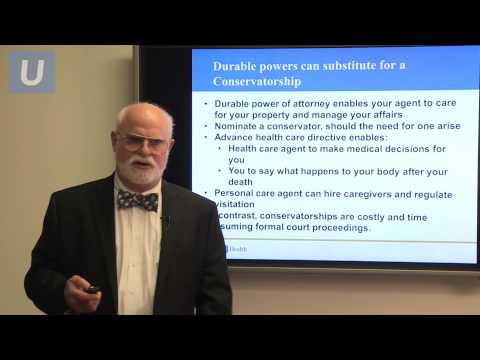 Elder Law: Protecting & Caring for Patients with Dementia | Marc B. Hankin | UCLAMDChatCovers legal and financial planning that can reduce caregiver stress, knowing your options can free up mental space for self-care.
 Caregiving: How to Deal With Strained Caregiver Relationships Between Siblings and Elderly ParentsAddresses family dynamics that can add stress; learning to set boundaries with siblings can protect your own health and social life.
Background
The Hidden Danger: Caregiver Spouses Die First
Research and decades of clinical experience show that family caregivers, especially spouses, are at high risk of dying before the person they care for. The constant stress, lack of sleep, skipped medical appointments, and loss of social connections take a devastating toll. One study found that about one-third of family caregivers pass away before their care recipient. This is not a scare tactic, it is a reality that must be faced. When you neglect your own health, you are not being noble; you are putting both of you in danger. If something happens to you, who will be there for your spouse?
Why Spouses Are Especially Vulnerable
Spousal caregivers often feel a unique sense of duty. You made a vow to be together 'in sickness and in health,' and you may believe that asking for help or taking time for yourself is a betrayal. You may also be living with your care partner, so the demands are constant, there is no 'off switch.' Many spouses also feel they cannot burden adult children or friends, and they may lack the financial resources to hire help. This combination of emotional obligation, physical proximity, and isolation makes spousal caregivers the most at-risk group for burnout, depression, and serious illness. The guilt you feel about self-care is a sign that you need it most.
The Toll on Your Body and Mind
When you prioritize your spouse's needs above your own, you may start skipping your own doctor's appointments, ignoring chronic pain, and eating poorly. You might miss mammograms, blood work, or routine physicals. Over time, this leads to a weakened immune system, increased use of emergency services, and a higher risk of conditions like heart disease and diabetes. Mentally, you may experience depression, anxiety, and a sense of losing your own identity. One caregiver described feeling like she went from being a sophisticated partner to just 'the caretaker of a man who was very ill.' Your social life often disappears, leaving you isolated. This is not sustainable, and it is not what your spouse would want for you.
Practical tools
6
The 'Two-Week Rule' Check-In
Many caregivers tell themselves caregiving will only last a short time. Use this tool: every two weeks, ask yourself honestly, 'Is this still temporary, or is it becoming long-term?' If the answer is 'long-term,' immediately schedule one self-care activity and one medical appointment for yourself. Write it down. This breaks the cycle of denial.
The 'I Need a Break' Script
Practice saying these exact words to a friend or family member: 'I am feeling overwhelmed and I need a short break. Could you sit with [spouse's name] for [specific time, e.g., one hour] on [specific day]? I will be back by [time].' Be specific. Most people want to help but need clear instructions. If they say no, ask someone else, do not give up.
The 'My Health First' Calendar
Get a physical calendar or use a digital one. Mark your own appointments in a bright color (e.g., red) and treat them as equally important as your spouse's appointments. If you skip one, reschedule it within 48 hours. Share this calendar with a trusted friend who can check in: 'Did you go to your doctor this month?'
Respite Care Locator Tool
Use the ARCH National Respite Network's online locator (archrespite.org) to find respite care in your area. Many programs offer vouchers or low-cost services for caregivers. Call your local Area Agency on Aging (call 1-800-677-1116) and ask: 'Do you have any respite care programs for spousal caregivers?'
The 'Social Life Rescue' Plan
Create a list of three low-effort social activities: a 10-minute phone call with a friend, a walk around the block with a neighbor, or a 30-minute online game with a relative. Keep this list on your phone. When you feel isolated, pick one and do it immediately. Even a short connection can reduce feelings of loneliness.
The 'Guilt Buster' Mantra
Write this on a sticky note and put it on your bathroom mirror: 'Taking care of myself is not selfish. It is how I keep my spouse safe. If I get sick, who will care for them?' Repeat it aloud whenever guilt arises. This reframes self-care as a responsibility, not an indulgence.
Different situations
If your spouse has Lewy body dementia or Parkinson's disease dementia
These conditions often cause hallucinations, movement issues, and rapid changes in alertness. Your stress may be higher because of unpredictable behaviors. Prioritize your own sleep, lack of sleep worsens your health and your ability to handle these challenges. Use respite care during times when your spouse is more stable (e.g., morning). Consider joining a support group specific to Lewy body dementia, as the challenges are unique.
If you are in the early stage of your spouse's dementia
Now is the time to build self-care habits before the disease progresses. Your spouse may still be able to be left alone for short periods. Use this window to establish routines: weekly exercise, regular social outings, and annual checkups. Also, start building a support network now, do not wait until you are in crisis. Talk to your spouse about your need for breaks while they can still understand and agree.
If you are a female spousal caregiver
Research shows that female spousal caregivers are less likely to hire help or use community services. You may feel pressure to be the 'perfect' caregiver. Challenge this by actively seeking support. Join a women's caregiver group. Make your own health appointments a priority, especially mammograms and bone density scans, which are often skipped. Remember: you cannot pour from an empty cup.
If you are a male spousal caregiver
Men may be less likely to talk about stress or seek emotional support. You might feel you should be 'strong' and handle everything. This can lead to isolation and health problems. Join a caregiver support group, many have male members. Also, be proactive about your physical health: schedule a physical, check your blood pressure, and watch for signs of depression (e.g., irritability, loss of interest in hobbies). It is okay to ask for help.
If you are caring for a spouse with frontotemporal dementia (FTD)
FTD often affects behavior and personality more than memory. Your spouse may become apathetic, disinhibited, or compulsive. This can be especially stressful and isolating. Your social life may suffer because your spouse's behavior is unpredictable in public. Focus on respite care that allows you to have time alone or with friends. Consider online support groups for FTD caregivers, who face unique challenges.
For the doctor
5
- Ask your doctor: 'Given my caregiving stress, should I have a checkup for heart disease, diabetes, or depression? What screenings are overdue for me?'
- If you are experiencing symptoms of depression (e.g., persistent sadness, loss of interest, changes in sleep or appetite), discuss treatment options such as therapy, medication, or a support group.
- If you have a chronic condition (e.g., high blood pressure, arthritis), ask your doctor how caregiving stress might affect it and what you can do to manage both.
- If you are considering using alcohol or sleep aids to cope, talk to your doctor about safer alternatives and the risks of dependence.
- Ask about respite care programs or caregiver support services that your doctor or hospital may know about, some clinics have social workers who can help.