
Step by step
What not to do
- Do NOT say 'You need to try harder' or 'Why can't you just do this?' This implies they are choosing to fail, which is not true. Their brain is not connecting the steps.Instead, say 'Let's do this together' and offer step-by-step guidance.
- Do NOT grab their head or force the brush into their mouth. This can feel like an assault and trigger a fight-or-flight response, leading to agitation, biting, or a complete shutdown.Instead, use gentle touch on their hand or arm and guide them slowly.
- Do NOT give multiple instructions at once. Saying 'Go brush your teeth, use the blue toothpaste, and don't forget to spit' is overwhelming.Instead, give one instruction at a time: 'Let's pick up the toothbrush.' Wait for them to do it before giving the next step.
- Do NOT use a standard toothpaste if they have trouble spitting or swallowing. Swallowing fluoride toothpaste can cause stomach upset or more serious issues.Instead, use a baking soda-based toothpaste or just water on the brush. Consult their dentist or doctor for a safe alternative.
- Do NOT brush aggressively or use a hard-bristled brush. Their gums may be sensitive or sore, and they may not be able to tell you it hurts. Use a soft-bristled toothbrush or a sponge toothbrush (a soft, disposable brush on a stick) to avoid pain and resistance.
- Do NOT skip mouth care entirely because it's hard. Poor oral hygiene can lead to infections, pain, difficulty eating, and even pneumonia from bacteria entering the lungs. Even a quick wipe with gauze is better than nothing. Consistency, even in small amounts, protects their health and dignity.
Key points
- Toothbrushing difficulty is often due to apraxia (loss of the brain's 'recipe' for the action), not stubbornness or lack of effort.
- Break the task into tiny, single steps and give one instruction at a time to avoid overwhelming the brain.
- Use hand-over-hand guidance, a mirror, or a 'watch me' approach to provide physical and visual cues.
- If the toothbrush causes anxiety, switch to a soft cloth or gauze wipe, it's better than skipping mouth care entirely.
- Offer small choices (e.g., which toothbrush, which toothpaste) to give a sense of control and reduce resistance.
- Always prioritize comfort and safety: use a soft brush, avoid forcing, and consult a doctor or dentist about safe products if swallowing is a concern.
Videos
 Surprising Symptoms of Dementia! Part 3This video helps you recognize that toothbrushing difficulty is a symptom of apraxia and other brain changes, not a behavioral problem. It validates that this is a common, frustrating issue and gives you a compassionate lens to understand what's happening.
 Why Aging Parents With Dementia Can't Try HarderThis video directly addresses the caregiver's inner frustration of 'why can't they just try?' It explains the neurological reasons behind the inability to perform tasks like toothbrushing, helping you let go of blame and adopt a more effective approach.
 Oral Care Tips for Loved Ones with DementiaThis video provides step-by-step visual demonstrations of the techniques described in this article, including hand-over-hand guidance, positioning, and using a soft cloth. Seeing it in action makes it easier to replicate at home.
 13 Griefs Dementia Caregivers Carry… In SilenceThis video addresses the emotional weight of caregiving, including the grief of watching a loved one lose the ability to do simple tasks like brushing their teeth. It offers emotional support and validation, which is crucial for caregiver well-being.
2 more videos
 Convincing someone with dementia to go to higher level of careWhile focused on moving to a care facility, this video teaches communication strategies (like using 'we' language and avoiding confrontation) that are directly applicable to getting a loved one to accept help with toothbrushing.
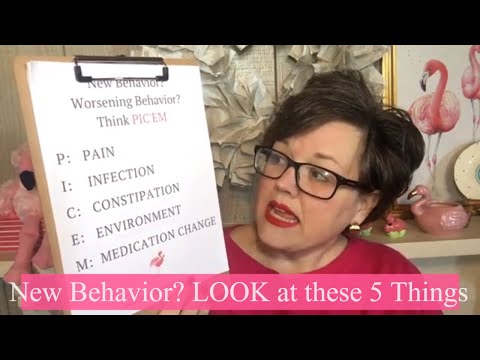 Dementia Behavior 5 Pro GAME CHANGING Assessment Tricks I Swear By & TeachThis video offers assessment tricks to figure out why a behavior (like refusing toothbrushing) is happening. It helps you identify triggers (pain, fear, sensory overload) so you can tailor your approach, making it a powerful companion to this article.
Background
It's Not About Trying Harder: The Reality of Apraxia
Additionally, dementia can dull the internal motivation to act. A healthy brain feels the need to get up and move when stiff, or to brush teeth because of a sense of routine. A person with dementia may lose that internal 'push', they don't feel the discomfort of unbrushed teeth or the urge to maintain a habit. They also may not register pain or discomfort in the mouth (from sore gums, a cavity, or ill-fitting dentures) in a typical way, so they don't connect the act of brushing with relief. This combination of apraxia, executive dysfunction, and loss of internal drive makes toothbrushing one of the most challenging personal care tasks in dementia care. But understanding this is the first step to finding a compassionate, effective approach.
Practical tools
6
The Step-by-Step Script
A set of phrases to use in order:
Say each step slowly, wait for them to complete it (or guide them), then move to the next. This reduces confusion and gives them a sense of accomplishment.
The 'Two-Item Choice' Setup
Place two toothbrushes (different colors) and two types of toothpaste (e.g., one mint, one bubblegum flavor) on the counter. Ask, 'Which toothbrush do you want?' and 'Which toothpaste would you like?' This gives them a sense of control and reduces resistance. The choice is small but meaningful.
The Soft Cloth or Gauze Wipe
If the toothbrush is too triggering, use a piece of wet gauze or a soft washcloth wrapped around your finger. Gently wipe their teeth, gums, and tongue. This is less invasive and can be done while they are sitting in a chair or even lying down. The Alzheimer's Association recommends this as a gentle alternative when brushing is not possible.
The 'Helper' Role
Give them a small, safe object to hold during brushing, like a cup of water, a tissue, or even a favorite small stuffed animal. Say, 'Can you hold this for me while I brush your teeth?' This gives their hands a job and reduces the feeling of being a passive recipient of care. It also provides a comforting sensory anchor.
The 'Watch Me' Mirror Technique
Stand beside them in front of a mirror. Brush your own teeth slowly and exaggeratedly while narrating: 'I'm brushing my top teeth. Now I'm brushing my bottom teeth.' Then say, 'Now you try.' The mirror can help trigger the memory of the action, and seeing you do it can reduce anxiety. This works best in early to middle stages.
The 'After-Meal' Routine Checklist
Create a simple, visual checklist (with pictures if possible) that says:
Place it near the sink. This provides a visual cue for the sequence and can be used by the person with dementia or the caregiver. Keep it simple and non-demanding.
Different situations
Lewy Body Dementia (LBD) or Parkinson's Disease Dementia
People with LBD often have fluctuating attention and may be more sensitive to sensory input. They may also have stiffness or tremors that make holding a toothbrush difficult. Use a toothbrush with a larger, ergonomic handle (or a sponge toothbrush) to make gripping easier. Be prepared to stop and restart if they become confused or agitated. Also, they may have visual hallucinations, if they seem to be looking at something that isn't there, gently redirect their attention back to the task without arguing.
Late-Stage Dementia (Stages 6-7 on the Global Deterioration Scale)
In late stages, the person may not be able to participate at all. Focus on comfort and infection prevention. Use a soft cloth or sponge toothbrush to gently clean their mouth while they are lying in bed or sitting in a chair. You may need to use a finger sweep to remove food from cheeks. Always check for pain or discomfort, they may have a toothache or gum infection but cannot tell you. Discuss with their doctor or dentist about using a prescription mouth rinse or gel for dry mouth or infection prevention.
Spouse vs. Adult Child Caregiver
A spouse may feel more comfortable using intimate touch and familiar routines, but may also struggle with role reversal (e.g., 'I never had to do this for them before'). An adult child may feel awkward or embarrassed. Both should practice using a calm, neutral tone of voice and avoid showing frustration. If the person with dementia resists, the spouse might try using a loving, playful tone ('Let me help you, honey'), while an adult child might use a respectful, professional tone ('Dad, let me help you with your teeth'). The key is to match the relationship dynamic that feels most natural and least threatening.
In a Facility (Assisted Living or Nursing Home)
If your loved one is in a facility, you can still be an advocate. Ask the staff to use the same step-by-step approach and to document what works (e.g., 'Mrs. Jones does best with a sponge toothbrush and hand-over-hand guidance'). You can also bring in familiar items from home (their own toothbrush, toothpaste flavor they like) to make the task feel more personal. If they resist care from staff, ask if you can be present during mouth care to provide comfort and familiarity.
Medicaid or Limited Resources
You don't need expensive tools. A soft cloth, a cup of water, and a gentle finger are often enough. Many local Alzheimer's associations or Area Agencies on Aging provide free or low-cost oral care kits (toothbrush, toothpaste, floss). You can also ask the person's dentist for samples of soft toothbrushes or fluoride varnish. If dentures are an issue, plain water rinsing after meals and a nightly soak in a denture cleanser (or even a mixture of water and a little vinegar) can keep them clean without extra cost.
For the doctor
5
- Ask the person's doctor or dentist: 'Is it safe to use a fluoride toothpaste if my loved one has trouble spitting? Are there alternative products (like baking soda toothpaste or a prescription mouth rinse) that would be safer?'
- Ask: 'Could my loved one have an undiagnosed dental problem (cavity, abscess, gum disease) that is causing pain and making them resist mouth care? Should we schedule a dental exam, even if it requires sedation or a special approach?'
- Ask: 'If my loved one is on blood thinners or other medications, are there any special precautions I should take when brushing or flossing to avoid bleeding or injury?'
- Ask: 'Is a water flosser safe for my loved one? Could the water pressure cause discomfort or aspiration? What settings should I use?'
- Ask: 'If my loved one has dentures, are there any signs of infection or ill-fitting dentures that I should watch for? How often should they be checked by a dentist?'