
Step by step
What not to do
- Do not wait until you are in crisis to seek help; make one small connection now while you can still think clearly.
- Do not assume asking for help means you are failing; reframe help-seeking as a sign of strength that improves both your health and care quality.
- Do not rely solely on the Internet without confirming a resource is still active by calling a human.
- Do not ignore your own physical or mental health symptoms (e.g., hopelessness, anxiety, poor sleep); talk to your doctor about screening for depression.
Key points
- Help-seeking is influenced by five key factors: service barriers, personal feelings, past experiences, relationship quality, and lack of information.
- Caregivers who do not seek help are at higher risk for depression, anxiety, physical health problems, and burnout.
- You do not have to wait until you are in crisis, start with one small step, like a phone call or joining a support group.
- Your doctor can be a powerful ally if you speak up about your needs as a caregiver.
- Guilt and the belief that you should handle everything alone are common but harmful barriers, reframe help-seeking as a sign of strength.
- Even tiny acts of self-care and connection can build momentum toward getting the support you deserve.
Videos
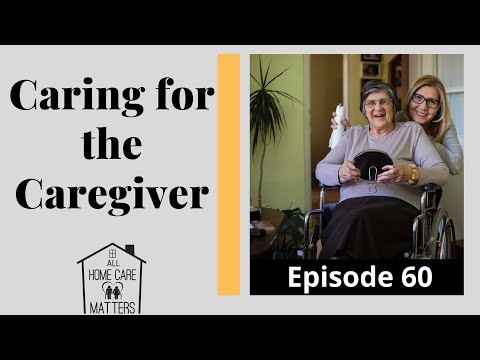 Caring for the CaregiverThis video directly addresses the emotional and practical toll of caregiving and reinforces the importance of seeking help for yourself, not just for your loved one.
 Navigating the Emotional Terrain of Caregiving: Understanding and Overcoming Caregiver GuiltGuilt is one of the biggest barriers to help-seeking. This video helps you understand where guilt comes from and how to start moving past it.
 Why Do Dementia Caregivers Experience Burnout And Depression? - TestThis video explains the link between caregiving stress, burnout, and depression, which can make it harder to reach out for help. Understanding this cycle is key to breaking it.
Background
The Five Key Factors That Influence Help-Seeking
According to a qualitative study of family caregivers of older adults with dementia living at home, the factors that influence whether and how caregivers seek help fall into five main categories. First, service-related factors include things like long wait times, inconvenient hours, or services that are too far away, these practical barriers can make even the most motivated caregiver give up. Second, personal factors involve feelings like being intrusive, not wanting to burden others, or believing that you should be able to handle everything yourself. Third, experiential factors come from past positive or negative encounters with services, a good experience makes you more likely to reach out again, while a bad one can shut the door. Fourth, relational factors include the quality of your bond with the person you care for; if you feel rejected by them or the relationship is strained, you may be less likely to seek help. Finally, informational factors mean simply not knowing what services exist or being directed to the wrong place. Recognizing these barriers is the first step to breaking through them.
The Emotional Toll That Blocks Help-Seeking
Caregiving often takes a significant physical, mental, and emotional toll. Two out of three caregivers experience high emotional stress, nearly half report physical strain, and about one in four feel isolated and alone. When you are already exhausted, anxious, or depressed, the energy required to research services, make phone calls, or attend appointments can feel overwhelming. Many caregivers also struggle with guilt, feeling that they should be able to do it all, or that asking for help means they are failing. This guilt can be worsened if the person you care for makes you feel guilty for taking time for yourself. The truth is that neglecting your own health and well-being actually puts both you and your loved one at risk. Caregivers who are burned out are more likely to experience depression, anxiety, and even chronic disease, and they are at higher risk of unintentional elder abuse or neglect.
The Role of Knowledge and Social Support
Many caregivers simply do not know what help is available. A majority of caregivers report needing more information about support services, and they most often turn to the Internet or their doctors for answers. However, if you do not have a strong relationship with a healthcare provider or if your doctor does not routinely ask about your well-being, you may miss out on crucial resources. Social support is also a major factor, caregivers who have a network of family, friends, or support groups are more likely to seek and receive help. Conversely, if you are a solo caregiver with no one to turn to, the stress can become overwhelming. The good news is that even small steps, like joining an online support group or asking your doctor a single question, can open the door to a world of support.
Practical tools
3
Alzheimer's Association Helpline
Available 24/7 at 800-272-3900 for crisis support, resource referrals, and care planning advice.
Area Agency on Aging (AAA)
Local agency that provides information on respite care, support groups, and in-home services; search by city/county for contact info.
Patient Advocate or Agency Supervisor
Contact this person at any service agency to report a bad experience and request a better-fitting alternative.
Different situations
For adult children caregivers (the ‘sandwich generation’)
You may face additional barriers like financial strain from cutting back work hours, guilt about neglecting your own children or spouse, and lack of time to research services. Prioritize online support groups that meet in the evening, and ask your employer about flexible work arrangements or the Family and Medical Leave Act (FMLA). Use the ‘Help Request’ checklist with siblings, assign specific tasks so you are not doing everything alone.
For spousal caregivers
You may feel a stronger sense of duty and be less likely to seek help because you see caregiving as part of your marriage vows. You might also be older and face your own health issues. Ask your doctor to screen you for caregiver depression and burnout at every visit. Consider joining a support group specifically for spousal caregivers, where you can talk openly about the unique emotional challenges of caring for a partner.
For caregivers in rural areas
Long distances to services, limited public transportation, and fewer local resources are major barriers. Focus on telephone or online support groups and telehealth appointments with your doctor. Call your state’s Aging and Disability Resource Center (ADRC) to ask about transportation assistance or home-delivered respite services. The Alzheimer’s Association helpline (800-272-3900) can also help you find virtual options.
For caregivers of someone with early-stage dementia
You may not feel you need help yet, but this is the best time to build your support network. Join a support group now, while you have the energy and cognitive clarity to learn. Ask your doctor for a referral to a care manager who can help you plan ahead. Use the ‘One Thing’ script to start conversations about future needs like home safety modifications or legal planning.
For caregivers of someone with Lewy body dementia or frontotemporal dementia
These conditions often involve more behavioral symptoms (hallucinations, agitation, impulsivity) that can make help-seeking feel more urgent and more difficult. Look for support groups specific to these diagnoses, as general dementia groups may not address the unique challenges. Ask your doctor about medications or behavioral strategies that might reduce symptoms and make caregiving more manageable.
For the doctor
5
- Ask your doctor: ‘Could my feelings of hopelessness, anxiety, or anger be signs of caregiver depression or burnout? What screening tools are available?’
- Ask your doctor: ‘Are there any medications or therapies that could help me manage the stress of caregiving, especially if I am having trouble sleeping or feel overwhelmed?’
- If you are a solo caregiver, ask your doctor: ‘What local resources are available for respite care or in-home support? Are there any volunteer programs that could give me a few hours of break each week?’
- If you have had a past bad experience with a service, ask your doctor or a social worker: ‘Can you help me find a different service that might be a better fit? What should I look for in a quality provider?’
- If you feel guilty about asking for help, ask your doctor or a therapist: ‘How can I work through these feelings of guilt so I can get the support I need?’