
Step by step
What not to do
- Do not give a medication just because the shift is hard or you are tired. Using drugs for convenience is chemical restraint.Instead, call a friend, take a 10-minute break, or ask for help from another family member. Your own self-care is essential.
- Do not assume that over-the-counter medications are safe. Many common OTC drugs, such as diphenhydramine (Benadryl) or sleep aids containing anticholinergics, can worsen confusion and increase fall risk. Always check with the doctor before giving any new medication, even if it seems harmless.
- Do not combine multiple sedating medications without a doctor's approval. Mixing benzodiazepines, antipsychotics, and sleep aids can cause dangerous sedation, respiratory depression, and falls. If your loved one is on more than one calming drug, ask for a medication review.
- Do not use medication to punish or control behavior that is not dangerous. If your loved one is pacing or talking loudly but is not at risk of harm, let them be. Trying to stop normal dementia behaviors with drugs can cause more distress and physical decline.
- Do not ignore the possibility of a urinary tract infection (UTI). A sudden change in behavior, especially increased confusion or aggression , can be a sign of infection. A simple urine test can rule this out. Treating the infection will often resolve the behavior without any psychiatric medication.
- Do not stop a medication abruptly without medical supervision. Some drugs, like benzodiazepines, can cause withdrawal symptoms if stopped suddenly. Always work with the doctor to taper off slowly if the medication is no longer needed.
Key points
- Chemical restraint is using medication to control behavior for convenience, not to treat a medical condition. It is harmful and should be avoided.
- Most agitation in dementia is caused by an unmet need (pain, hunger, boredom, overstimulation) that can be addressed without drugs.
- Non-drug approaches like validation, distraction, and environmental changes are effective and safe. They should always be tried first.
- Antipsychotics and benzodiazepines carry serious risks for older adults with dementia, including increased confusion, falls, and death.
- You have the right to advocate for your loved one in any care setting. Ask questions, request medication reviews, and insist on non-drug alternatives.
- Caregiver burnout is real. Take breaks, ask for help, and use community resources. You cannot pour from an empty cup.
Videos
 Book REVIEW 'Dementia Beyond Drugs' ~Inside A Dementia Pro's Resource GuideThis video reviews a book that offers evidence-based alternatives to medication for dementia behaviors. It provides hope and practical strategies for reducing chemical restraint.
 Caregiver Strategies How to Deal with Dementia Care Challenges Sundowning, Anxiety, and RestlessnessThis video offers concrete non-drug strategies for sundowning and anxiety, which are common triggers for overmedication. It helps caregivers feel empowered to try alternatives first.
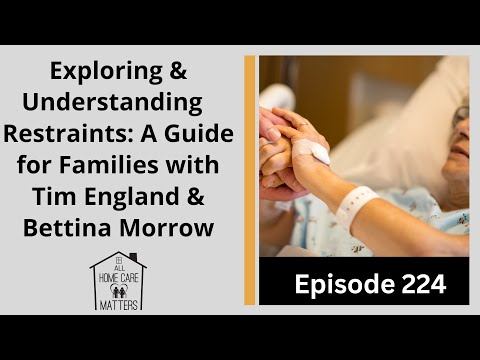 Exploring and Understanding Restraints: A Guide for Families with TIm England and Bettina MorrowThis video explains the difference between physical and chemical restraints and gives families the language to advocate against both. Essential for anyone in a nursing home setting.
 Ask Teepa Anything! Live on YouTubeTeepa Snow answers real caregiver questions about behavior management, including when medication might be appropriate and how to use it safely. A trusted expert voice.
2 more videos
 Ep. 170: What Should We Know About Chemical Restraints?This episode dives deep into the definition, risks, and alternatives to chemical restraints. It includes interviews with professionals and family caregivers who have navigated this issue.
 Dementia Alert: The Dangerous Side of Common MedsThis video highlights how common over-the-counter and prescription medications can worsen dementia symptoms. It is a wake-up call to check every medication in the cabinet.
Background
What Is Chemical Restraint?
Chemical restraint is the use of any medication, prescription or over-the-counter , for the purpose of controlling a person's behavior or making them easier to manage, rather than to treat a specific medical symptom. According to the Centers for Medicare and Medicaid Services, a chemical restraint is defined as any drug used for discipline or convenience and not required to treat a medical symptom. This means that if a doctor prescribes an antipsychotic or anti-anxiety medication primarily to calm a person with dementia so that staff or family can have an easier shift, that medication is being used as a chemical restraint. It is the equivalent of tying someone to a chair, but with pills instead of straps.
When you give a medication to reduce anxiety or agitation, it also reduces the brain's ability to think, move effectively, and produce clear speech. The drugs that calm also dull. A person who is 'zonked out' all day cannot tell you if they have a urinary tract infection, if they are in pain, or if they are hungry. They cannot participate in meaningful activities or relationships. Over time, this can lead to a decline in function, increased fall risk, and even a shorter lifespan. The goal of dementia care should never be to make the person quiet; it should be to make them comfortable and safe.
Why Does Overmedication Happen?
Overmedication often happens because caregivers are overwhelmed, under-supported, and not trained in non-drug approaches to dementia behaviors. In nursing homes and even at home, when a person with dementia is pacing, yelling, or resisting care, the easiest short-term solution is to give a pill that will make them sleepy or calm. This is especially common during holidays or family gatherings, when the environment is overstimulating, too much noise, too many people, too much commotion. A caregiver who is exhausted and desperate for a break may ask the doctor for 'something to help,' and the doctor may prescribe a sedative or antipsychotic without fully exploring the root cause of the behavior.
Another reason is that some doctors, especially those without specialized training in dementia care, may prescribe medications off-label for behaviors. Antipsychotics, for example, are often used to calm agitation even when the person does not have psychosis. These drugs carry significant risks, including increased confusion, falls, and even death in older adults with dementia. Yet families are rarely told about these risks. The pressure to 'do something' can lead to a cycle of adding more medications, each with its own side effects, until the person is overmedicated and unable to function.
The Hidden Cost of Chemical Restraint
When a person is chemically restrained, you lose the ability to truly know them. You cannot get feedback about their pain, their preferences, or their personality. A person who is overmedicated cannot tell you if they are cold, thirsty, or need to use the bathroom. They cannot engage in reminiscence or enjoy a favorite song. The staff or family members who care for them lose the opportunity to learn what 'lights them up', the subjects that bring them joy. Over time, the person becomes more withdrawn, more dependent, and more likely to develop complications like infections or pressure sores from immobility.
There is also a moral cost. Caregivers who use chemical restraints often feel guilty, knowing that they are sedating their loved one for their own convenience. This guilt can erode the relationship and make caregiving feel like a burden rather than a partnership. The good news is that there are effective, evidence-based alternatives that address the root causes of distress without resorting to drugs.
Practical tools
6
The 'Unmet Needs' Checklist
A simple checklist to run through when agitation occurs:
Print this list and keep it on the fridge or in the care notebook.
The Calming Environment Script
Exact phrases to say when your loved one is agitated: 'I can see you are upset. Let's sit down together for a minute.' 'Would you like to hold this soft blanket?' 'I'm right here with you. You are safe.' Use a low, slow voice. Avoid questions that require reasoning, like 'Why are you upset?' Instead, offer a simple choice: 'Would you like water or juice?'
The 'Pleasant Events' Menu
Create a list of 10 calming activities your loved one enjoys, such as looking at a photo album, listening to their favorite music, folding laundry, or watching a nature video. When agitation starts, offer one of these activities. Rotate them to prevent boredom. Keep the list handy for yourself and for any other caregivers.
The Medication Review Request Form
A template to give to the doctor: 'Dear Dr. [Name], I am concerned about the use of [medication name] for my loved one. Please review whether this medication is still needed, if the dose can be lowered, and if there are non-drug alternatives we can try first. I would like a plan to taper off this medication if possible. Thank you.'
The 'Red Light, Yellow Light, Green Light' Behavior Log
A daily log with three columns: Green (calm, engaged), Yellow (restless, anxious), Red (agitated, aggressive). Note the time, what was happening before, and what helped. Share this with the doctor to identify patterns and reduce medication use. For example, if yellow always occurs after lunch, you can schedule a quiet activity then.
The 'Ask for Help' Card
A small card you carry that says: 'I am a caregiver. If I seem overwhelmed, please offer to sit with my loved one for 15 minutes so I can take a break. Thank you.' Hand this to a friend, neighbor, or family member during gatherings. Preventing caregiver burnout is key to avoiding chemical restraint.
Different situations
For Lewy body dementia (LBD)
People with LBD are extremely sensitive to antipsychotic medications, which can cause severe side effects like rigidity, confusion, and even neuroleptic malignant syndrome. Avoid all antipsychotics unless absolutely necessary and only under close specialist supervision. Non-drug approaches are even more critical. Focus on reducing visual hallucinations by improving lighting and reducing patterned surfaces.
For late-stage dementia
In late stages, the person may have difficulty swallowing pills. Crushing or hiding medication in food can be dangerous. Work with hospice or palliative care to ensure comfort without overmedication. Pain management becomes crucial; look for nonverbal signs of pain like grimacing or moaning. Use liquid or transdermal forms of medication if needed.
For a spouse caregiver vs. an adult child
Spouse caregivers may feel more guilt about using medication because they have a long history with the person. Adult children may be more willing to try non-drug approaches but may face resistance from the other parent. Both should attend support groups and seek respite care. The key is to remember that medication is not a substitute for understanding the person's needs.
For a person living in a nursing home
Advocate strongly. Ask to see the facility's policy on chemical restraints. Request a meeting with the medical director and nursing staff to discuss non-drug alternatives. You have the right to refuse antipsychotic medications unless they are treating a specific diagnosed condition. Visit often and at different times to observe how your loved one is being treated.
For a person on Medicaid or with limited resources
Non-drug approaches are often free or low-cost: walks, music, conversation, and simple activities. Many community organizations offer free caregiver training on behavior management. Ask the local Area Agency on Aging for resources. Do not assume that medication is the only option because you cannot afford private care. There are many free tools available.
For the doctor
6
- Ask the doctor: 'Is my loved one currently on any medication that is being used as a chemical restraint? Can we review the purpose of each drug?'
- Ask: 'What are the specific risks of this medication for my loved one, given their age and dementia diagnosis? Are there safer alternatives?'
- Ask: 'Can we try a non-drug approach first, and only use medication if that fails? What is the plan to taper off the medication once the behavior improves?'
- Ask: 'Is this medication being prescribed off-label? If so, what evidence supports its use for dementia behaviors?'
- Ask: 'Could any of my loved one's current medications be contributing to their confusion or agitation? Can we reduce or eliminate any of them?'
- Ask: 'How will we monitor for side effects like falls, sedation, or increased confusion? What is the threshold for stopping the medication?'