
Step by step
What not to do
- Do NOT ask 'What are you doing?' or 'Why are you doing that?' This can confuse and frustrate them. They may not know the answer, and your question can feel like an accusation.Instead, simply observe and, if needed, offer a gentle redirection without explanation.
- Do NOT try to correct them or tell them they are wrong. If they are petting a pillow, don't say 'That's a pillow, not a pet.' This can cause embarrassment or anger.Instead, if you must intervene, say something like 'That looks soft. Would you like to hold this instead?' and offer a stuffed animal.
- Do NOT snatch the object away or forcefully remove it. This can trigger a strong reaction, including agitation or aggression. If you need to take something unsafe, trade it for something else. Say, 'Let me hold that for you while you look at this,' and hand them a safe alternative.
- Do NOT ignore the behavior if it is causing distress to your loved one or others. If they are crying, yelling, or putting themselves in danger, you must act. But do so calmly. Use a soft voice, turn on a light, or guide them to a different room. Never argue or raise your voice.
- Do NOT assume this behavior is a sign of 'bad character' or that they are doing it on purpose. This is a symptom of the disease, not a choice. It comes from anxiety, boredom, or a need for sensory input. Understanding this will help you respond with patience instead of frustration.
- Do NOT try to fill every moment with 'productive' activities. Sometimes the best thing you can do is let them be. If they are happily engrossed, they are getting something they need. Your role is to ensure safety and then step back. Over-structuring their day can actually increase anxiety.
Key points
- If they are safe and happy, do not interrupt. Let them be engrossed.
- Never argue or correct. Instead, validate the feeling and offer a gentle alternative.
- Use 'important job' phrases to redirect without confrontation.
- Provide a rummage box or fidget toys to meet their need for sensory input.
- Reflect on triggers (boredom, anxiety, time of day) to prevent future fixations.
- Personalize your approach based on the dementia type and stage.
- Seek support from a clinician if the behavior becomes dangerous or distressing.
Videos
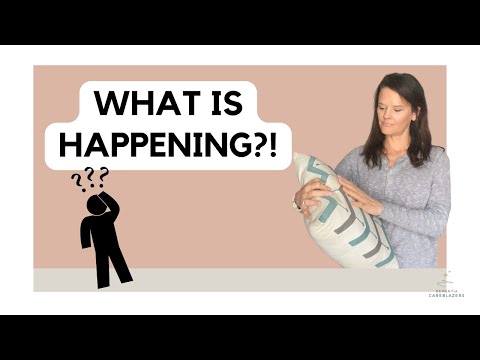 Strange Dementia BehaviorThis video directly addresses the topic of engrossing behavior and explains why interrupting can be harmful. It offers a compassionate, observation-first approach.
 How to increase activity for someone with dementiaProvides practical ideas for keeping hands busy, which can prevent fixations from starting. Useful for creating a daily activity plan.
 Ep. 137: Why Is It Important to Understand Behaviors That a Person Living with Dementia Might Show?Explores the underlying reasons for behaviors like fixation, helping caregivers respond with empathy rather than frustration.
 Strange Behaviors Like Obsession With Toilet Paper: Dementia CareA specific example of an odd fixation and how to handle it. Offers phrases and redirection techniques you can use immediately.
2 more videos


Background
What's Really Going On Inside Their Brain
When a person with dementia becomes totally engrossed in something odd, like folding a napkin over and over or staring at a piece of lint, they are not being 'weird' or 'stubborn.' Their brain is seeking relief from anxiety or boredom. According to dementia experts, these fixations are often a way for them to feel in control when the world around them feels confusing and overwhelming. The repetitive motion or focus on a single object can be soothing, almost like a meditation for a brain that struggles to process too much input at once.
Why Interrupting Makes It Worse
Your natural instinct might be to ask, 'What are you doing?' or to try to correct them. But that kind of interruption can actually break their concentration and cause distress. If they were happily engaged, your question can make them feel confused or criticized. As one dementia specialist explains, if they seem to be enjoying themselves and are not in danger, the best thing you can do is leave them alone. Interfering just 'squashes all the fun out of it' and can leave a bad taste for both of you. The goal is to observe, not to correct.
The Hidden Message: They Need an Activity
Sometimes, this engrossing behavior is a signal that your loved one needs more structured activity in their day. When they have too much down time, they may start to fixate on whatever is in front of them. Experts recommend giving them 'busy work' for their hands, something to fidget with, sort, or manipulate. A rummage box filled with safe, interesting objects (like fabric scraps, old keys, or large buttons) can meet that need in a positive way. The key is to offer the activity before the fixation becomes a problem, not to yank them away from what they're doing.
Practical tools
6
The 'Rummage Box'
A box filled with safe, interesting objects for them to sort through. Include items like fabric squares, large wooden spools, old keys (no sharp edges), smooth stones, or a soft brush. Change the contents every few days to keep it novel. Place it near their favorite chair. When you see them starting to fixate on something odd, gently guide their hand to the box and say, 'Look what I found. Want to see what's in here?'
Fidget Toys for Dementia
Small, safe objects designed to keep hands busy. Look for 'fidget blankets' with zippers, buttons, and ribbons sewn on, or simple items like a stress ball, a piece of soft fleece, or a textured ring. Keep one in your pocket or near their chair. If they start to pick at their clothes or fiddle with something unsafe, hand them the fidget toy and say, 'Here, this feels nice to hold.'
The 'Important Job' Script
A phrase to use when you need to redirect. Say: 'I need your help with something important. Can you hold this for me?' Hand them a safe object (a stuffed animal, a folded towel, a wooden spoon). Then add, 'I'll be right back. Thank you for taking care of that.' This gives them a sense of purpose and can break the fixation without confrontation.
Soft Music or Nature Sounds
Play calming music or nature sounds (rain, ocean waves) at a low volume in the background. This can reduce anxiety and make the environment feel safer. If they are fixated on something odd, the sound can help them feel more grounded. Use a simple speaker or a tablet with a playlist. Avoid TV news or loud shows, which can increase agitation.
The 'Walk and Talk' Redirect
When you need to move them away from a fixation, say: 'Let's go for a walk together. I could use some company.' Offer your arm and guide them gently. Walking can release nervous energy and provide a natural distraction. Once you're in a different room, you can offer a new activity like a snack or looking at a photo album.
Sensory Objects Checklist
Keep a small basket with items that engage different senses:
If they are fixated on something odd, offer one of these items and say, 'Feel this. Isn't it nice?' Rotate the items to keep interest. This can meet their sensory needs in a positive way.
Different situations
Lewy Body Dementia (LBD)
People with LBD are more prone to visual hallucinations and may become engrossed in something that isn't there (e.g., talking to a person you can't see). Do not argue or try to convince them it's not real. Instead, ask gentle questions like 'What do you see?' and then validate their experience. If they are not distressed, let them continue. If they are scared, move to a well-lit area with other people, offer a snack, or play soft music. Always check their eyesight and hearing regularly, as sensory issues can worsen hallucinations.
Late-Stage Dementia
In late stages, the person may have very limited ability to engage in structured activities. Their engrossing behavior might be simply staring at a light or rubbing a blanket. Do not try to redirect unless there is a safety concern. Instead, sit beside them and gently hold their hand or stroke their arm. Speak softly about a pleasant memory. The goal is comfort, not activity. If they seem agitated, check for pain, hunger, or the need to use the bathroom.
Spouse vs. Adult Child Caregiver
As a spouse, you may feel more personally hurt or embarrassed by odd behaviors. Remind yourself that this is the disease, not a reflection on your relationship. It's okay to step away for a few minutes to collect yourself. As an adult child, you may feel more pressure to 'fix' the behavior. Practice letting go of the need to correct. Your role is to keep them safe and comfortable, not to make them 'normal.' Both roles benefit from joining a support group to share experiences.
In a Facility or with Paid Caregivers
If your loved one is in a memory care unit, share this article with the staff. Ask them to observe and report any engrossing behaviors. Request that they not interrupt unless there is a safety issue. You can also bring in a rummage box or fidget toys labeled with their name. If the behavior involves hoarding or hiding objects (like money or food), ask staff to do gentle, respectful checks without shaming the person. Provide small bills (ones and fives) if they fixate on money, but monitor for loss or theft.
Medicaid or Limited Resources
You don't need expensive tools. A rummage box can be made from a shoebox and household items (old keys, fabric scraps, large buttons). Fidget toys can be homemade: sew ribbons and zippers onto a piece of fleece. Use free nature sounds from YouTube. The most important tool is your presence and calm voice. If you need a break, ask a friend or family member to sit with them for 30 minutes. Many community centers offer free caregiver respite programs.
For the doctor
4
- If the engrossing behavior involves repetitive movements that could cause injury (like head-banging or picking at skin), ask the doctor about non-medication strategies or a referral to an occupational therapist.
- If your loved one is fixated on taking things apart that could be dangerous (like electronics or furniture), discuss with the clinician how to create a safe environment without increasing their anxiety.
- If the behavior is accompanied by new confusion, hallucinations, or aggression, report this to the doctor. It could be a sign of infection, medication side effects, or progression of the disease.
- If you are considering using any over-the-counter supplements or herbal remedies to reduce anxiety, always check with the pharmacist or doctor first, as they can interact with dementia medications.