
Step by step
What not to do
- Don't rely on a standard will or general power of attorney. A standard will only covers property after death; a general power of attorney becomes invalid when the person loses mental capacity.
- Don't rely solely on verbal wishes. Without written, witnessed documents, doctors are legally required to provide life-sustaining treatment in emergencies.
- Don't wait until a crisis. If your loved one is already hospitalized or cannot communicate, it may be too late to complete advance directives. Start as soon as possible after a dementia diagnosis.
- Don't use a form from a different state or a generic online template without checking your state's laws, it may be invalid.
- Don't assume a living will covers a Do Not Resuscitate (DNR) order. A DNR must be signed by a physician; without it, emergency responders will attempt CPR even if the family objects.
Key points
- Without advance directives, families may be forced to make agonizing decisions without legal authority or clear guidance from the patient.
- Advance directives must be in writing, state-specific, and properly witnessed or notarized to be valid.
- A durable power of attorney for health care is the most critical document, it names the person who can make decisions when the patient cannot.
- Start the process as early as possible after a dementia diagnosis, while the person can still participate in the conversation.
- A POLST form is a medical order that is immediately actionable by emergency responders and should be kept with the patient at all times.
- Verbal wishes are not legally binding, only written, signed documents can guide care in a crisis.
Videos
 Conscious Caregiving with L & L - 'End of Life Care'This video provides a compassionate overview of end-of-life care decisions, including the emotional weight of not having advance directives. It helps caregivers understand what to expect and how to prepare.
 An Interview on Advance Care Planning with Joanne Eason President of FIVE WISHESJoanne Eason explains the Five Wishes document, which goes beyond medical decisions to cover emotional and spiritual care. This is especially useful for families who want a more holistic approach to advance care planning.
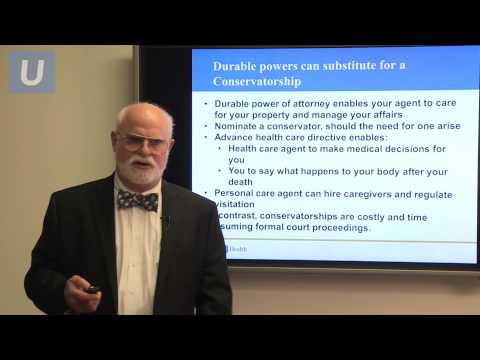 Elder Law: Protecting & Caring for Patients with Dementia | Marc B. Hankin | UCLAMDChatAttorney Marc Hankin discusses the legal aspects of advance directives, including what happens when documents are missing and how to pursue guardianship. Essential for understanding the legal risks.
 Advanced Directives for People With Dementia: A Discussion with ER Physician Dr. Brittany LambDr. Lamb shares real-world examples from the ER of what happens when advance directives are absent, including unnecessary hospitalizations and family distress. A powerful motivator to get documents in place.
2 more videos
 Advanced Directives from the Perspective of a Concerned Person Living with DementiaA first-person perspective from someone living with dementia about the importance of planning ahead. This video helps caregivers understand the patient’s point of view and the value of early conversations.
 THIS dementia tip can improve care and lower stress!This video offers a practical tip for organizing care documents, which directly supports the step of keeping advance directives accessible. It reduces caregiver stress by making information easy to find in emergencies.
Background
The Legal and Emotional Vacuum
Without advance directives, no one has clear legal authority to make medical decisions for a person with dementia once they lose the ability to speak for themselves. While a spouse or adult child may have the right to stop treatments in some states, this varies widely and often requires going to court for a conservatorship, a costly, time-consuming process that adds stress during an already difficult time. The Alzheimer’s Association emphasizes that families must then make decisions based on what they believe the person would have wanted, while also acting in that person’s best interest, a balancing act that can feel impossible when you’re unsure of their preferences.
Why Written Directives Matter More Than Verbal Wishes
Many families assume that because they’ve had conversations about end-of-life care, they’re prepared. But verbal wishes are not legally actionable. According to experts, advance directives have one primary legal purpose: to name the person who will make decisions if the individual cannot. Everything else in a healthcare directive is a suggestion for care, not a binding order. The only way to create legally enforceable instructions is through state-specific forms like California’s POLST (Physician Orders for Life-Sustaining Treatment) or similar documents. Without these, doctors may be legally obligated to provide life-sustaining treatments even if the family believes the person would not want them.
The Burden on Caregivers and Family
When advance directives are missing, the weight of decision-making falls entirely on family members. They may be asked to consent to or refuse treatments like feeding tubes, ventilators, or DNR orders, decisions that can feel like choosing between life and death. One ER doctor noted that during the COVID-19 surge, many patients with severe dementia languished in hospitals because families didn’t understand what was happening and had no prior guidance. This emotional toll is compounded by the fact that many people don’t realize that a simple advance directive form only covers a few scenarios, while the actual number of decisions at end of life is far more complex.
Practical tools
6
State-Specific Advance Directive Forms (Free)
Download your state's official forms from the American Bar Association's website or your state health department. These forms include witness and notary instructions specific to your state, ensuring legal validity.
Dementia Values and Priorities Tool
Helps people with early-stage dementia clarify what matters to them (e.g., staying home, avoiding pain, being with family). Not legally binding, but essential for starting deep conversations to inform advance directives.
Five Wishes Document
Legally recognized in most states, covering: who makes decisions, what medical treatment you want, how comfortable you want to be, how you want to be treated, and what you want loved ones to know. More comprehensive than a standard living will.
POLST (Physician Orders for Life-Sustaining Treatment) Form
A medical order signed by a doctor that specifies whether to attempt CPR, use a ventilator, or provide artificial nutrition. Immediately actionable by emergency responders, unlike a living will. Ask the primary care physician if this is appropriate.
The 'Go-Bag' Document Binder
Create a brightly colored binder with labeled sections for
Keep it easily accessible and tell every caregiver where it is for quick retrieval in emergencies.
Alzheimer's Association 24/7 Helpline (800-272-3900)
Free, round-the-clock support from dementia specialists who can answer questions about advance directives, care planning, and finding local legal or elder-care resources. Available in multiple languages.
Different situations
Early-stage dementia (still able to make decisions)
This is the ideal time to complete all documents. The person can still sign their own name and express clear wishes. Use the Dementia Values and Priorities Tool to explore preferences. Complete a durable power of attorney while they are still legally competent.
Middle-stage dementia (some decision-making capacity lost)
If the person can still understand the purpose of the documents, they may be able to sign with assistance. Focus on the healthcare proxy and POLST, as these require less abstract thinking. Work with a lawyer who specializes in elder law to ensure validity.
Late-stage dementia (unable to communicate or make decisions)
It may be too late to create new advance directives. Focus on getting a POLST from the attending physician and, if needed, pursue guardianship through the court. The family must rely on their best understanding of the person’s values, which is why earlier conversations are so critical.
Spouse as caregiver vs. adult child as caregiver
Spouses often feel they know their partner’s wishes, but they may still face legal hurdles if no documents exist. Adult children may need to navigate sibling disagreements. In both cases, having a written healthcare proxy reduces conflict. If the spouse is also elderly or has health issues, name a backup agent.
Person lives in a facility (nursing home or assisted living)
Facilities often require copies of advance directives on file. Without them, they may default to life-sustaining treatments. Ensure the facility has a current POLST and DNR if desired. Also, complete any visitation forms to ensure family can be present during emergencies.
For the doctor
5
- Ask your loved one’s doctor: ‘Given their dementia stage, what medical decisions are most likely to come up in the next year? How can we prepare for those in an advance directive?’
- Discuss the pros and cons of a feeding tube for someone with advanced dementia. The doctor can explain that decreased eating is normal at end of life and that tube feeding may not improve comfort or survival.
- Ask about a POLST form and whether it’s appropriate for your loved one’s condition. The doctor can help you understand what each order means (e.g., DNR, DNI, comfort care only).
- If your loved one has multiple chronic conditions (e.g., heart failure, COPD), ask how these interact with dementia and what treatment options align with their values.
- Inquire about palliative care or hospice services. These can provide support for symptom management and help families navigate end-of-life decisions without the stress of aggressive treatments.